The Quiet Rise of Biometrics in Everyday Verification
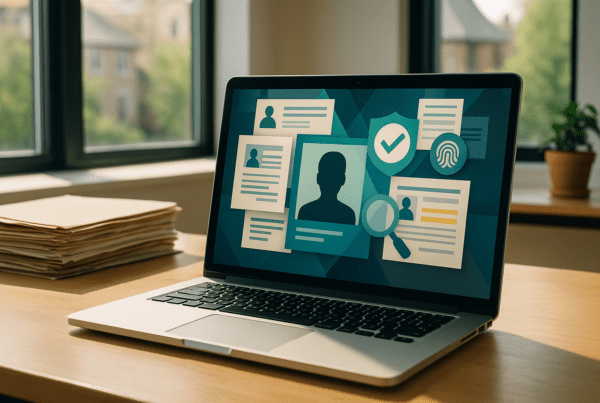
Digital identity verification today often plays out behind the scenes in ways most people barely notice. What was once a feature of science fiction now shapes how millions confirm who they are. Biometrics, like fingerprint scans and facial recognition, are weaving themselves into routines from unlocking smartphones to crossing airports. This transition comes from a need to move beyond fragile passwords and PINs, which often fail to provide reliable security on their own.
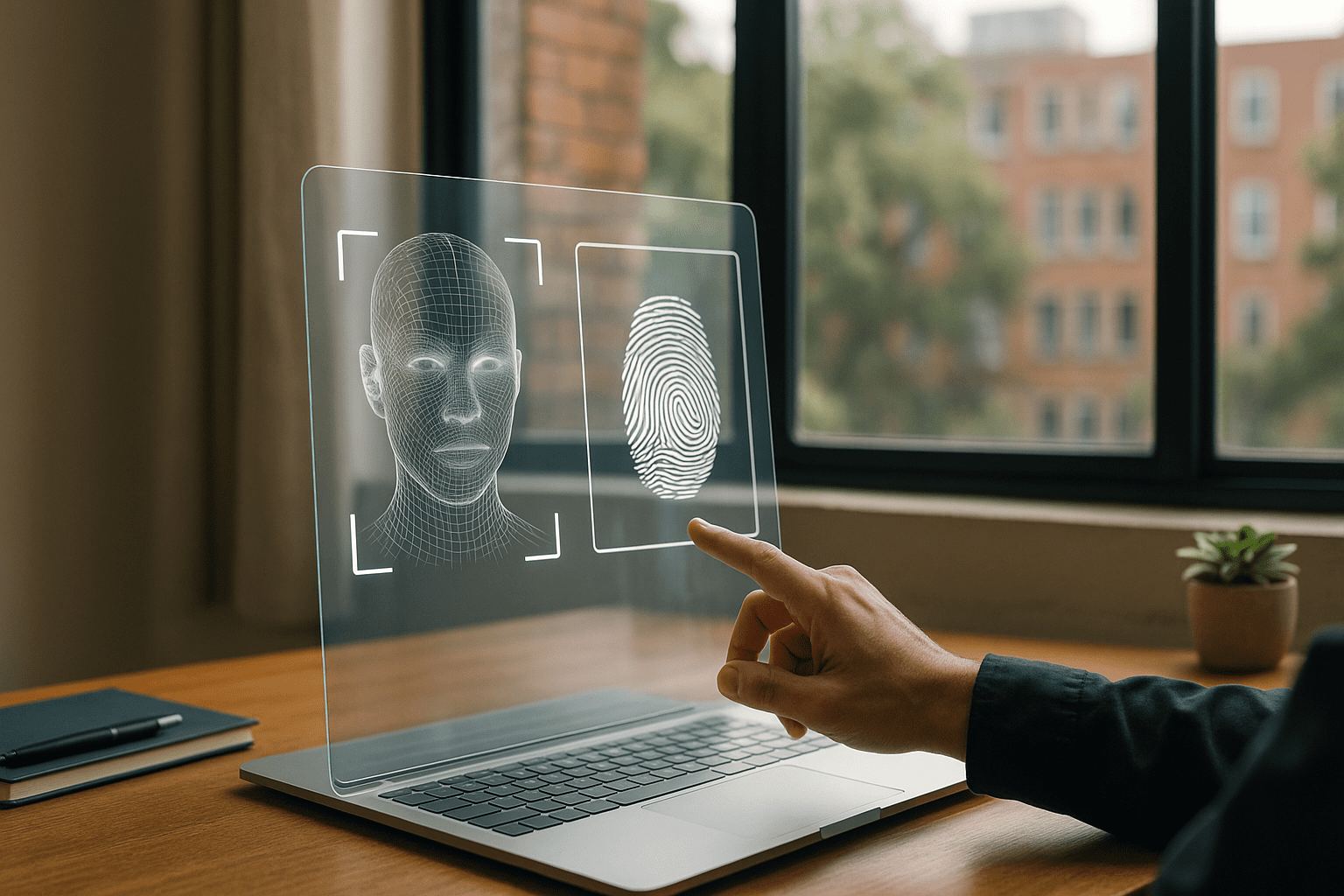
Public places from government offices to retail outlets increasingly adopt biometric tools as a supplement or replacement for old methods. The uniqueness of a fingerprint or the contours of a face offer identification clues that are difficult to replicate or steal. They make practical sense as verification steps because they tap directly into the physical identity of a person, bridging digital verification with real-world presence.
The Practicalities and Limitations That Shape Usage
However, biometric data is far from flawless. Capturing a fingerprint or a live face scan includes plenty of variables that affect accuracy. Lighting conditions, sensor quality, and even changes in a person’s appearance can throw off recognition systems. These systems must navigate the tension between letting in genuine users without too many false rejections and avoiding entry to imposters.
Most modern identity verification strategies do not rely solely on biometrics but combine them with traditional personal information like names, birthdates, and addresses. This layered approach boosts reliability but also highlights that biometrics alone are part of a bigger identity mosaic. Balancing speed, ease of use, and security leads to systems designed with fallback options, where biometrics serve as one tool among many rather than the only key.
Privacy Concerns and the Shifting Rules Around Biometric Data
Biometric data carries weightier privacy risks than many other personal identifiers. Unlike passwords, biometric traits cannot be reset if stolen. A compromised fingerprint or facial template poses long-term security vulnerabilities. This raises serious concerns about how biometric data is stored, who gets access, and how consent is obtained.
Global regulations have started to address these realities. The European Union’s GDPR, for example, treats biometric data as sensitive information that must be specially protected. Rules often call for explicit consent, encrypted storage, limited data retention, and transparency from those collecting biometric identifiers. These frameworks aim to hold companies accountable and deter negligent or malicious uses.
Even with regulations evolving, public trust is not guaranteed. Reports of security breaches and unauthorized sharing of biometric data keep awareness high. Privacy advocacy groups urge ongoing vigilance and insist on giving users control over their biometric information. This ongoing push and pull between the advantages of biometric verification and protecting individual rights shapes how this technology is adopted.
The Emerging Trends and What They Suggest
Current trends suggest a cautious but innovative approach in handling biometric data. On-device processing is becoming more common, where biometric information is stored and analyzed locally rather than on central servers. This reduces risks linked to large data breaches and helps maintain privacy more effectively.
Combining biometrics with behavioral analytics also paints a richer identity picture. Monitoring how someone types, moves, or even walks can complement physical biometrics, making spoofing harder. In addition, decentralized identity concepts are gaining traction. These models give individuals more control, allowing them to share only the necessary proofs without handing over entire data sets to a single entity.
Such advances indicate that biometrics are not a standalone silver bullet but part of a broader, evolving landscape. The interaction between cybersecurity demands, technology capabilities, and legal environments determines how biometrics fit into identity verification frameworks.
How Public Records and Biometric Data Sometimes Overlap
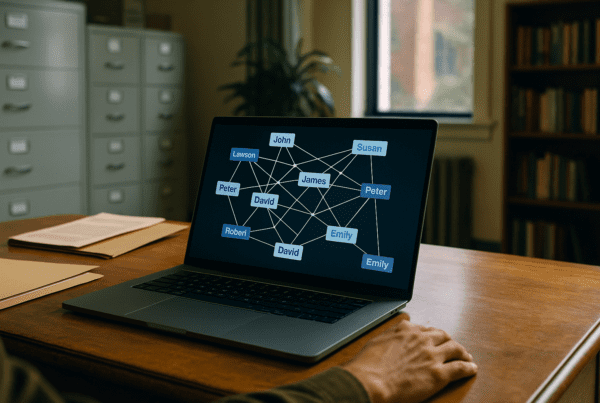
The intersection of biometric data with traditional public records creates a complex picture. For example, government agencies issuing passports or identity cards routinely link biometric scans to birth records or address histories. This combination strengthens verification and fraud prevention efforts while presenting new challenges about data aggregation and possible surveillance.
These intersections show the delicate balance between utility and privacy. On one side, integrating multiple sources helps stop fraud and speed up verification. On the other, collecting diverse personal details in one place increases risks if data protection is insufficient. This tension reflects wider societal questions in the era of digital identities.
For those using people search or identity verification services, biometric data might increasingly appear alongside other record types. Understanding its strengths and limitations helps set realistic expectations about what these tools can and cannot do, promoting informed conversations about security and privacy.
Observing how this interplay evolves offers insight into identity itself-a constantly shifting blend of technology, policy, and the lived human experience.
More information can be found in trusted resources like the National Institute of Standards and Technology biometrics program, which details standards and research; the Privacy International website that explores privacy implications; and the GDPR regulations for legal frameworks surrounding biometric data protection.
For everyday users trying to navigate these changes, staying aware helps to appreciate that biometric data, while powerful, is one part of a complex story about proving identity in the digital age.
Sources and Helpful Links
- National Institute of Standards and Technology biometrics program for detailed standards and research on biometric identification.
- Privacy International addressing privacy implications related to biometric data and surveillance.
- General Data Protection Regulation (GDPR) official text covering personal data, including biometric data protections.
- Federal Trade Commission on Identity Theft discussing identity verification challenges and consumer protections.
- Electronic Frontier Foundation on biometrics exploring technology, privacy, and policy concerns.