
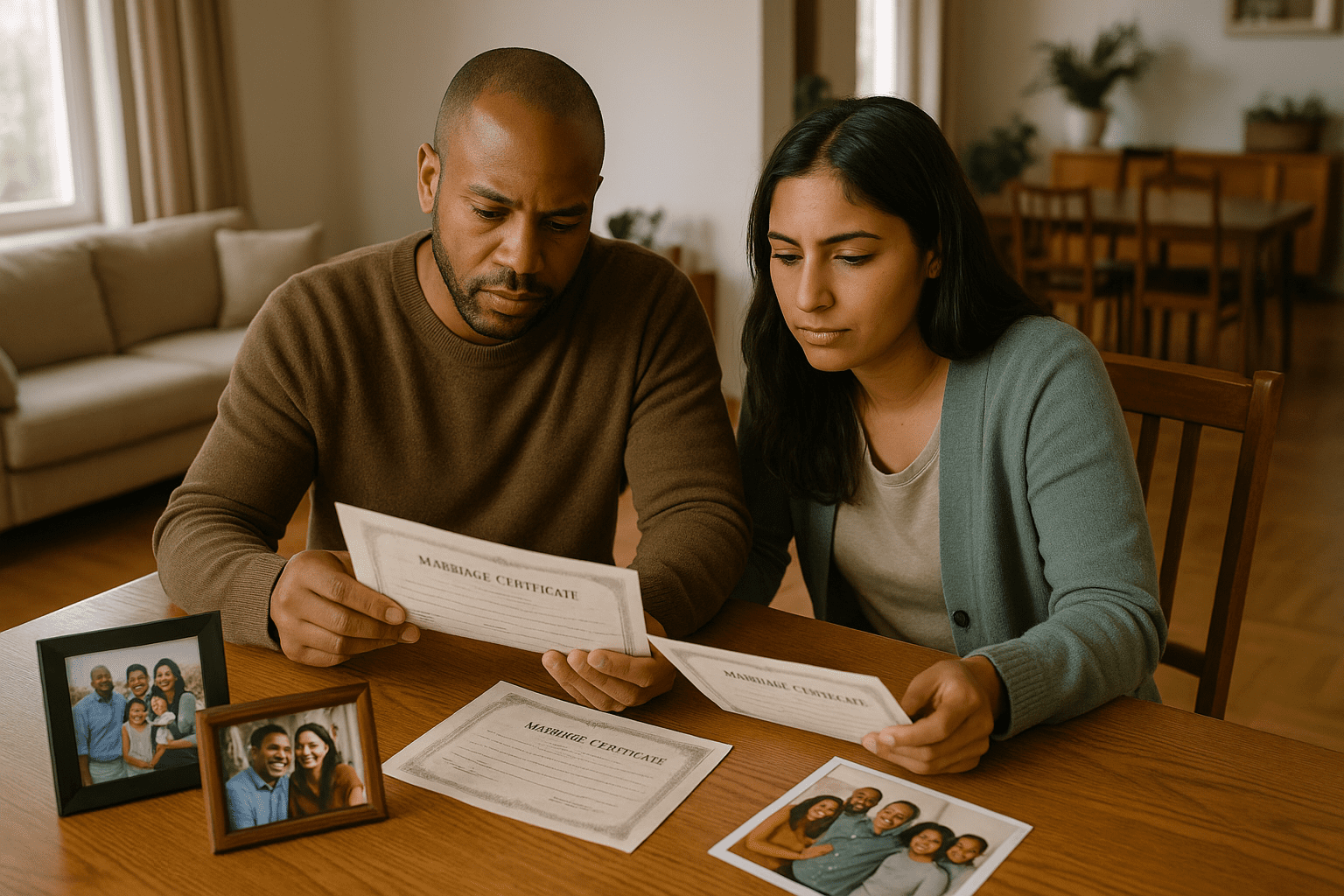
Exploring marriage and divorce records over time offers more depth than surface statistics usually provide. These records, often tucked away or overlooked as mere legal documents, quietly chart the transformations in how people approach relationships today. Beyond numbers, they display broader social shifts influenced by culture, economy, and personal aspirations. Observing who marries, when, and how long partnerships endure reveals quite a bit about evolving attitudes toward marriage and divorce in modern society.
Marriage ages seem to keep inching upward, reflecting wider changes
One of the clearest patterns is the steadily rising average age at which people marry. In the United States, this average has climbed into the late twenties and early thirties over recent decades. This is not a random change but reflects several intertwined factors, such as more people pursuing higher education, shifting gender expectations, and prioritizing career and personal growth. The National Center for Health Statistics tracks this trend, showing that marrying later has become a widespread norm rather than an exception.
When people marry later, it generally means they bring more life experience to the relationship. They often have firmer financial footing and clearer ideas about what they want in a partner and marriage itself. This can lead to more deliberation regarding partner selection, but it also changes traditional timelines such as having children early in marriage or milestones expected within the first few years. It highlights an ongoing cultural shift where relational and personal goals intermingle more complexly than before.
Dissecting marriage lengths and the stories around divorce
While marriage records show when and between whom unions occur, divorce records add another layer, revealing how long these unions last and where strains accumulate. Data consistently points toward the first decade of marriage as a vulnerable stretch. The U.S. Census Bureau notes that a substantial share of divorces happen within 10 to 15 years of marriage, often when couples encounter the realities of combining finances, raising children, and adapting over time.
Interestingly, divorce records suggest second or subsequent marriages often end more quickly. This could indicate that challenges experienced previously affect expectations or that new relationship dynamics create fresh difficulties. Shifts in views about remarriage, spurred by individual experience and changing societal attitudes, also influence these patterns. Understanding these timelines in divorce highlights how partnership durability changes with life circumstances.
Reasons behind marriage and divorce reveal evolving values
Digging deeper into the reasons people marry or divorce, public records sometimes reflect motivations included in legal filings or license applications. Over time, there is a growing trend toward divorces citing incompatibility and communication breakdown rather than just financial hardship or social pressures. This signals a cultural movement toward prioritizing emotional connection and mutual understanding as essential pillars of marriage.
These documents also increasingly capture a broader range of relationship types, reflecting shifts in societal acceptance. Interracial marriages, same-sex unions, and blended families appear more frequently in records, expanding the traditional marriage framework. This broadening complicates simple conclusions but enriches our comprehension of what modern relationships look like.
How combined public data sheds light on relationship trends
Modern public record aggregation brings fresh insights through linking various data points such as marriage and divorce records, address history, census data, and more. Platforms like PersonZoom demonstrate how these connections help show influences like geographic mobility on divorce rates or economic variables affecting marriage timing. By situating marriage and divorce within a wider social context, the narrative becomes less fragmented and more illustrative of lived realities.
Still, interpreting these trends is challenging due to the deeply personal nature behind the statistics. Many forces shape a marriage’s course, and no record can encapsulate the full story behind separation or togetherness. Despite this, these aggregated patterns remain valuable for capturing cultural shifts and the broad strokes of how relationships respond to modern life.
In observing these patterns, it becomes clear that relationships today are shaped by longer courtships, explorations of identity, and a more expansive acceptance of diverse forms of partnership. Public records, while static, quietly bear witness to these changes and allow for a clearer understanding of the evolving human story embedded in marriage and divorce.
Expanding on the implications of marriage age, it appears that this delay is part of a broader strategy for personal development. Marrying later often aligns with delayed childbearing, which, in turn, affects family planning and career trajectories. This trend suggests that marriage no longer strictly marks the start of adulthood or family formation but rather fits into a longer maturation process.
The interaction between economic factors and marriage timing deserves attention. Economic stability provides a backdrop against which many consider the feasibility of marriage. Studies indicate that economic downturns can push average marriage age higher, while better job markets can encourage earlier unions. These fluctuations highlight how marriage choices intertwine with financial realities.
Turning to divorce, the record patterns also underscore how social perceptions around ending marriages have softened. Where divorce once carried considerable stigma, today more couples seem willing to separate for reasons that center on personal happiness and better relational compatibility. The growing citations of incompatibility over other reasons reflect shifting norms about marriage as a partnership rather than an obligation.
Remarriage trends and their greater likelihood of earlier divorce hint at the complexity of relationship repair and reformation. People entering second or subsequent marriages bring varied life experiences and sometimes children from previous unions, which complicate relationship dynamics. This suggests a richer, more nuanced canvas on which modern marriage is painted.
Finally, the increasing visibility of non-traditional families in public records underlines a fundamental cultural evolution. As legal recognition expands to include same-sex marriages and blended families, public data begins to tell a more inclusive story. This evolution reflects changing attitudes in society at large and encourages a broader understanding of what stable, enduring relationships can look like.
When examined over time and across populations, marriage and divorce records create a layered picture of relationship trends that moves beyond countable events. They reveal a society that balances tradition with change, obligation with personal fulfillment, and stability with ongoing negotiation of identity and connection.
For those who study societal patterns, these records offer a valuable resource, connecting legal identifiers with lived experience, and hinting at future directions prompted by demographic and cultural shifts. They remind us that the landscape of love and commitment remains as dynamic as the people who navigate it.
Ultimately, marriage and divorce records serve not only as formal documents but as markers of human stories. They chart how relationships grow, transform, or dissolve within the complex dance of modern life.
Sources and Helpful Links
- National Center for Health Statistics provides detailed statistics and reports on marriage and divorce trends in the U.S.
- U.S. Census Bureau on Marriage and Divorce offers data and analysis about family structures and their evolution over time.
- PersonZoom aggregates public records including marriage and divorce to provide insights on relational patterns and identity connections.
- Pew Research Center shares data on how Americans view marriage and divorce in contemporary society.