
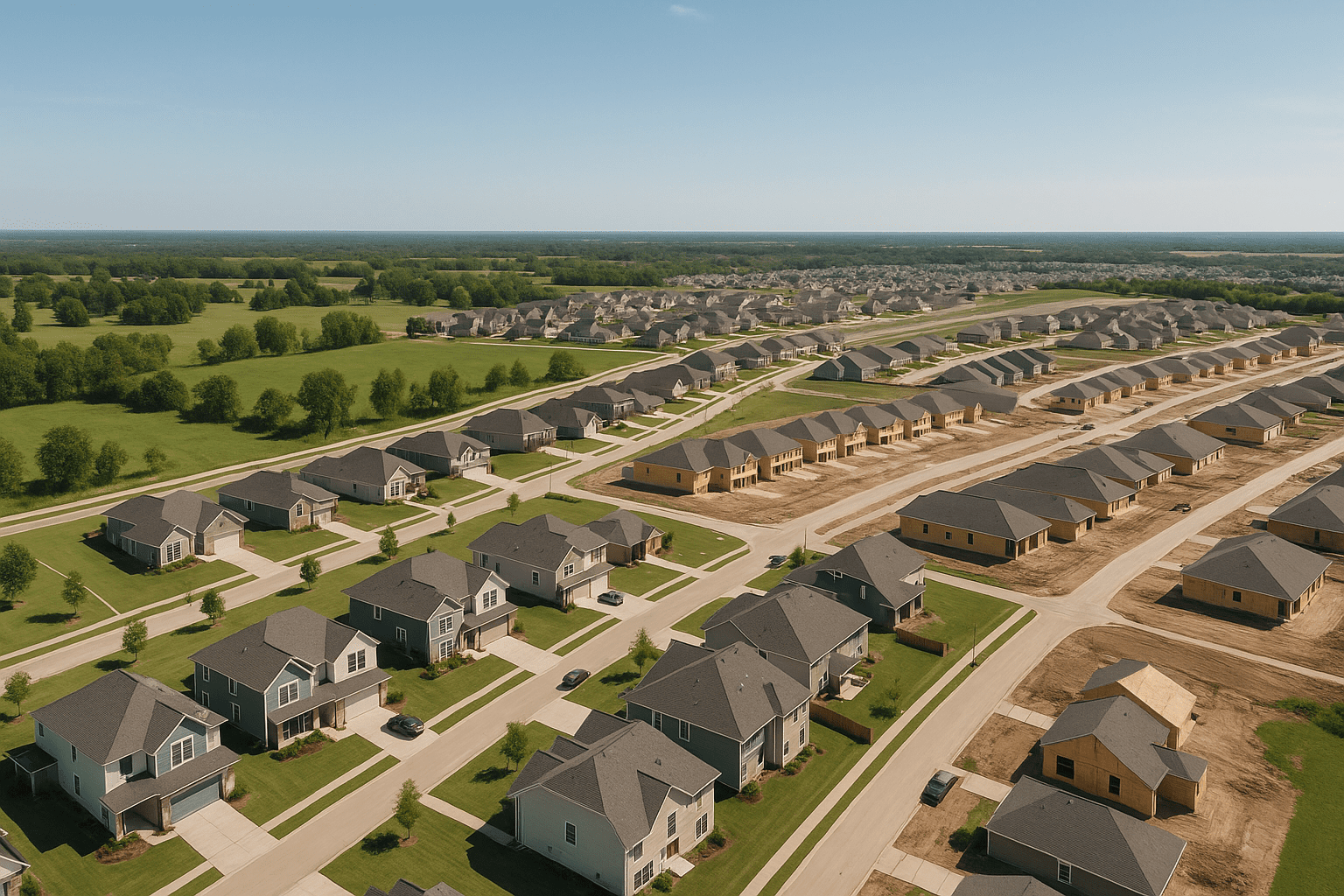
The landscape of suburbs across the country tells a story not only of housing growth but also of evolving social and economic patterns. Public records, taken together, provide a layered picture of how communities expand and transform. Beyond what real estate listings show or census snapshots provide, these records sketch the slow drift of demographic tides and housing developments shaping daily life away from urban centers.
Uncovering Suburb Growth through Building Permits and Property Records
When tracking the pulse of suburban development, building permits emerge as a rich source to observe which areas are booming and which are slowing. These permits, publicly recorded at local government offices, reveal the timing and scale of new construction, be it single-family houses or multi-unit dwellings. A surge in permits often signals developer confidence and growing demand, while a tapering off may hint at market saturation or affordability challenges. Property deeds and ownership changes add another layer, showing how frequently homes trade hands and sometimes hinting at demographic shifts–for example, if certain neighborhoods move towards younger or older residents.
Interestingly, variations in permit activity across metropolitan regions illustrate how different suburbs respond to economic conditions. For instance, some areas may prioritize sprawling single-family developments, reflecting preferences for space and privacy, while others might show more infill or townhouse projects to address increasing density. These differences are visible only when local public records are compared over time, highlighting the subtle contrasts within a region’s housing ecosystem.
Who Moves and Why: The Demography Hidden in Public Data
Population changes in suburbs do not occur randomly. Public records such as voter registrations, school enrollment data, and tax assessments offer clues about the evolving composition of communities. They can show patterns like a rise in young families seeking affordable homes or retirees selecting certain suburbs for quieter living.
One consistent observation is that suburbs often attract those looking for a balance between city amenities and a quieter environment. With property records tied to mailing addresses and other contact details, it becomes possible to see how migration flows develop within metropolitan areas. Certain suburbs might experience influxes from urban centers, motivated by school quality or housing prices, while others might see populations aging in place or moving out.
The ebb and flow of these demographic groups also influences housing demand. For example, an area welcoming young families may prompt builders to focus on larger homes with yards, while neighborhoods with more older adults could see conversions to smaller units. Public records help track these shifts, laying bare the connections between who lives where and the kinds of homes that get built.
Economic Context Reflected in Tax and Sales Data
Housing trends in suburbs tie closely to broader economic forces. Property tax records and recorded sales prices give insight into the affordability and value changes over time. A growing suburb with escalating property values indicates increasing demand and often better local infrastructure and services. Reciprocally, stagnant or declining tax values might reflect economic challenges that discourage new construction or maintenance.
Regional differences also come into view here. For example, some suburban zones benefit from new commercial developments, boosting local employment and supporting housing demand. Public real estate transaction data mapped against tax assessments can reveal such patterns, helping paint a fuller picture of how economic shifts drive housing trends.
Moreover, public records can identify disparities within suburbs. Rising valuations in some neighborhoods may contrast with more affordable nearby areas, reflecting pockets of gentrification or shifting economic stratification. Recognizing these micro-trends is key to understanding both market forces and the social fabric of suburban life.
The Role of Zoning and Planning Records in Shaping Suburban Growth
Beyond private development, government planning decisions significantly influence how suburbs change. Public zoning ordinances and planning board minutes reveal the intentions and constraints shaping neighborhood layouts and density. Changes in zoning can open the door to higher-density housing or commercial use, while restrictive zoning may preserve existing suburban character but limit growth.
Studying these records over time shows patterns of regulatory shifts that correspond with population and housing needs. For example, a suburb facing acute housing shortages may revise zoning rules to allow townhouses or small apartment buildings, attempting to increase supply. Conversely, suburbs aiming to maintain larger lot sizes may reinforce restrictions, affecting affordability and demographics indirectly.
These regulatory documents add context to permit and property data, showing how policy frameworks operate alongside market forces in crafting suburban environments. In well-documented areas, public meetings and planning records also capture community input and concerns, highlighting how local voices shape development trajectories.
Looking Ahead: Reading the Suburban Footprint Through Data
Public records, when collected and interpreted carefully, provide a detailed window into the multifaceted story of suburban expansion. They uncover the interplay among demographic shifts, housing market dynamics, government planning, and economic conditions that together mold suburban landscapes.
While raw data alone is not predictive, the patterns they reveal help explain how suburbs evolve and where pressures for change may arise. For those paying attention, these records become more than administrative files; they turn into narratives about communities and the people who build and inhabit them.
For more on data related to housing and development, resources like the U.S. Census Bureau offer extensive demographic data, while local planning departments often publish zoning and permit data. The U.S. Department of Housing and Urban Development provides insights into affordable housing and market trends. Exploring these sources can deepen understanding of suburban growth beyond headlines and real estate marketing.
Engaging with public records cultivates a clearer picture, one grounded in the everyday data that communities generate and that tell their ongoing stories.
Sources and Helpful Links
- U.S. Census Bureau – Official source of demographic and housing data in the United States
- U.S. Department of Housing and Urban Development – Information on housing market trends and policies
- American Planning Association – Professional insights on zoning and urban planning practices
- Data.gov – Access to various U.S. government datasets including building permits and property records