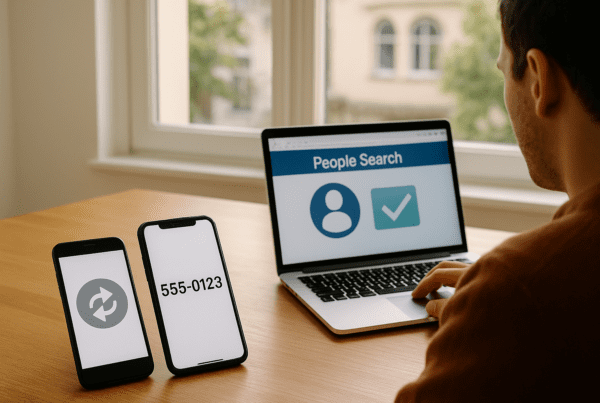
Phone numbers stand as one of the most common touchpoints for verifying identity online and offline. From signing up for social media to resetting passwords or confirming purchases, these digits bridge the abstract world of one’s persona with tangible access to services. However, the supply of phone numbers is a finite resource managed by telecom providers, leading them to reuse or recycle numbers once they become inactive. This recycling is a less visible phenomenon that can quietly unsettle identity verification processes in subtle ways. Looking at patterns of phone number recycling helps to clarify real-world challenges and signals for anyone working to understand or verify identity.
A routine practice with far-reaching implications
Phone number recycling happens when a telecom company restricts a number’s new assignments after it has not been used for a period. Later, the number gets reassigned to a new customer, often after a gap intended to reduce confusion. What seems like a straightforward way to manage a limited resource can actually complicate things because phone numbers are deeply embedded in many identity frameworks. Numbers are often taken as proxies for a person’s current or recent contacts information, and verification systems rely on the assumption that these associations remain stable.
When a recycled number changes hands, new owners gain a piece of digital identity that may carry echoes of previous activity. Social networks, two-factor authentication setups, and messaging platforms might still associate the number with past users unless carefully updated. This overlap can create false positives or negatives in identity checks, leading to mistaken account recoveries or access denials.
Patterns that emerge from phone number reuse
Tracing recycled numbers reveals some consistent behavioral traits. Typically, numbers become eligible for recycling after a dormancy period usually defined by regulatory and operator policies, ranging from a few months to more than a year. This gap is designed to avoid immediate confusion between users but is never foolproof.
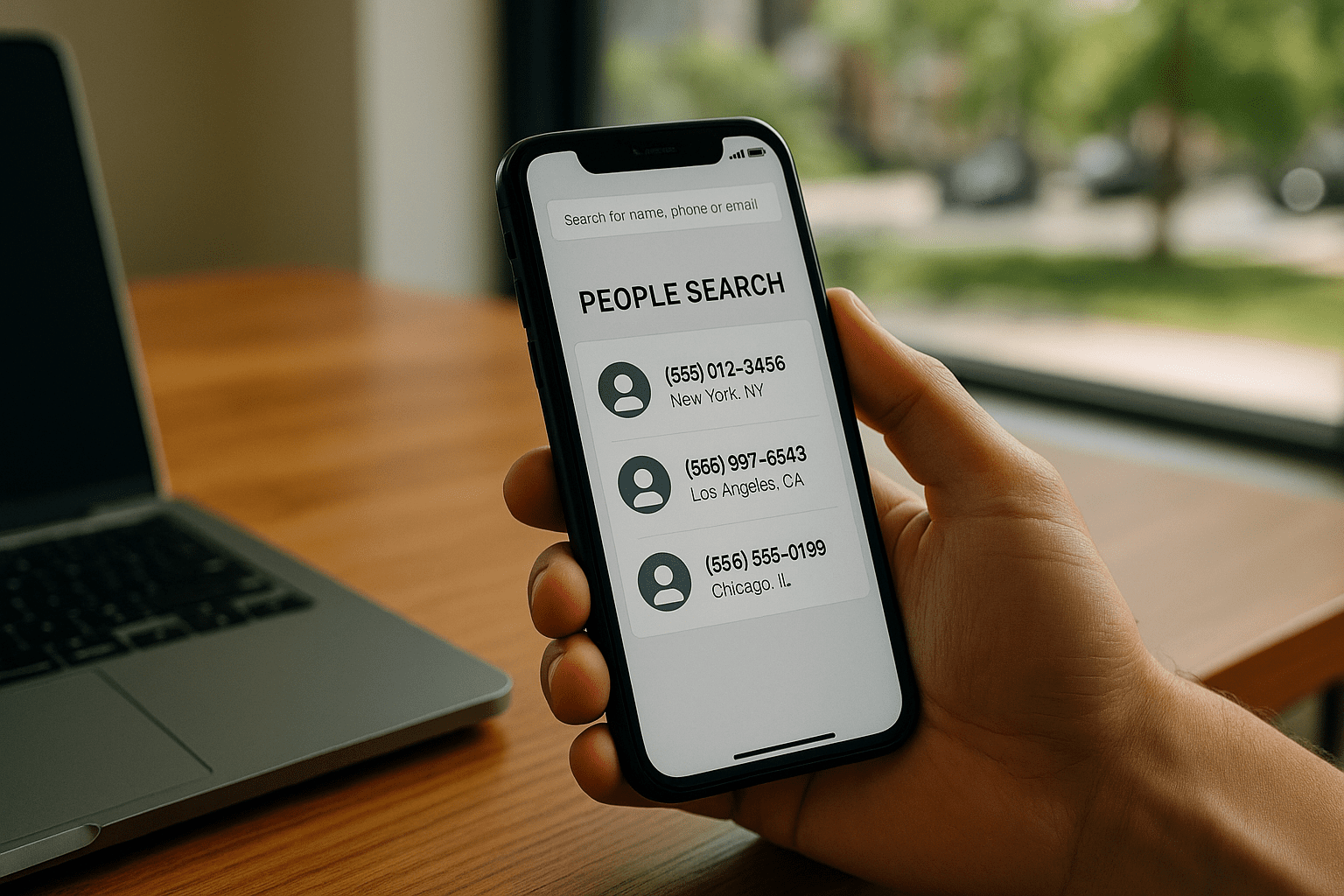
Many recycled numbers show a pattern of cycling through multiple users over relatively short windows, especially in high-demand urban areas where number scarcity is acute. These rapid turnovers can leave a patchwork trail of associations in public records and data aggregators. For example, one phone number could appear attached to different names and addresses in a short span, which complicates databases that link identity attributes across time.
The rise of mobile number portability, while a boon for consumers, introduces additional complexity since numbers can jump providers without changing the actual digits. This means recycling generally focuses on numbers fully released back into the pool, but portability can blur the lines between who actually controls the number at different points.
Identity verification techniques encounter unexpected friction
Verification systems, especially those automated at scale, tend to assume that phone numbers represent a stable and current communication channel. Reusing numbers violates this assumption, necessitating more nuanced mechanisms. For instance, websites and applications relying on SMS codes for two-factor authentication must contend with the possibility that a verification code could reach a person who was not intended to receive it.
This vulnerability has fueled fraud and account takeover efforts, with attackers exploiting stale phone number assignments. Meanwhile, legitimate users might find themselves locked out of accounts because their active numbers were recently recycled and still linked to other profiles elsewhere.
Some verification services have responded by layering additional checks, such as cross-referencing name and address databases, or tracking recent phone usage patterns to flag recycled numbers. Companies like Whitepages provide information that can help distinguish current from previous owners, though this adds complexity and cost to verification.
The human element and digital identity footprints
Behind the technical and procedural issues are people unknowingly caught in the churn of phone number recycling. A person receiving a recycled number may inherit calls and messages meant for the old holder, including sensitive information. Similarly, businesses trying to reach customers might encounter outdated contact details.
On a broader scale, identity researchers and privacy advocates observe that phone number reuse poses challenges to clear digital footprints. It blurs the traceability of actions tied to a number over time, introducing risk of mistaken identity or inadvertent sharing of personal data across distinct individuals.
Efforts to educate consumers about the importance of updating contact details and regularly reviewing account security may help mitigate some risks posed by recycled numbers. Likewise, telecom operators maintaining transparent policies on recycling and clear warnings for new number holders add helpful context for managing expectations.
Ultimately, phone number recycling reveals how everyday infrastructure quietly shapes our approach to identity and the limitations of seemingly straightforward verification approaches. It remains a significant, if often overlooked, factor in how identity verification and security evolve in a world still using numbers assigned long ago in an era before the smartphone.
Observing these patterns encourages a more layered and careful approach for anyone dependent on phone-based identity signals today.
For those interested in details around phone number recycling and identity verification challenges, resources like the Federal Communications Commission on Reassigned Wireless Numbers provide practical guidance. Privacy-focused organizations such as Electronic Frontier Foundation often discuss the broader implications for digital identity and security. Meanwhile, Whitepages offers tools and data services that help track phone number ownership and changes over time, essential for verification efforts.
It is a complex landscape but also a revealing one, highlighting how everyday resources like phone numbers can ripple into identity challenges beneath the surface of digital interactions.
Sources and Helpful Links
- Federal Communications Commission on Reassigned Wireless Numbers, an official guide explaining number reassignment and its consumer impact
- Whitepages, a service providing contact and identity data useful for tracking phone number history
- Electronic Frontier Foundation, a privacy advocacy group discussing digital identity and security topics