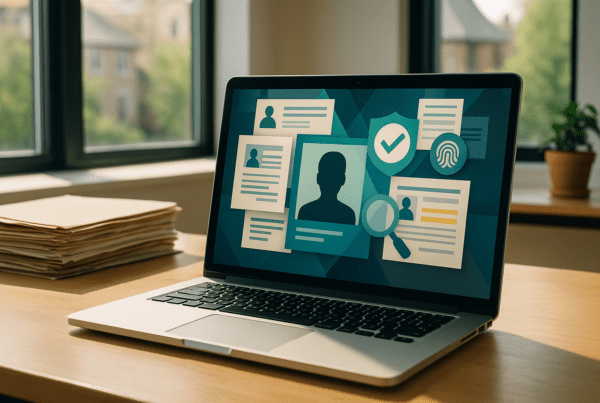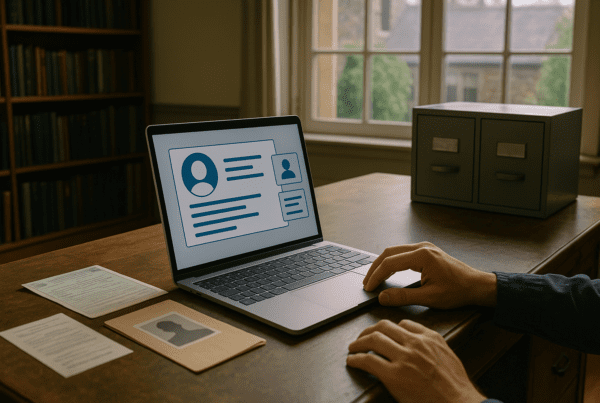
Identity verification in the digital age stretches far beyond checking a driver’s license or confirming a social security number. As technology digs deeper into linking real-world identities with online profiles and services, it faces a knotty problem: how to confirm who someone truly is when their name does not stay the same over time.
The subtle shifts behind recorded names
Names feel like enduring markers of identity. Yet life events such as marriage, divorce, gender transition, or even personal preference can reshape these markers. The changing of a name is not just a social or cultural act but becomes a key puzzle piece in digital identity systems. Without accounting for name change records, verification processes risk missing crucial connections between an individual’s present and historical data.
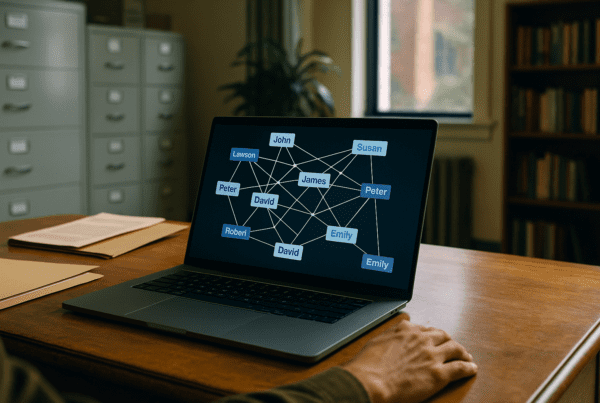
In many circumstances, a name change record serves as a legal trace that links different chapters of someone’s life. For example, a person might apply for services or credit under a maiden name before marriage and later under a married name. Without authoritative record linkage, digital systems may mistakenly treat these as separate people or flag the discrepancy as suspicious.
How public records reveal shifting identities
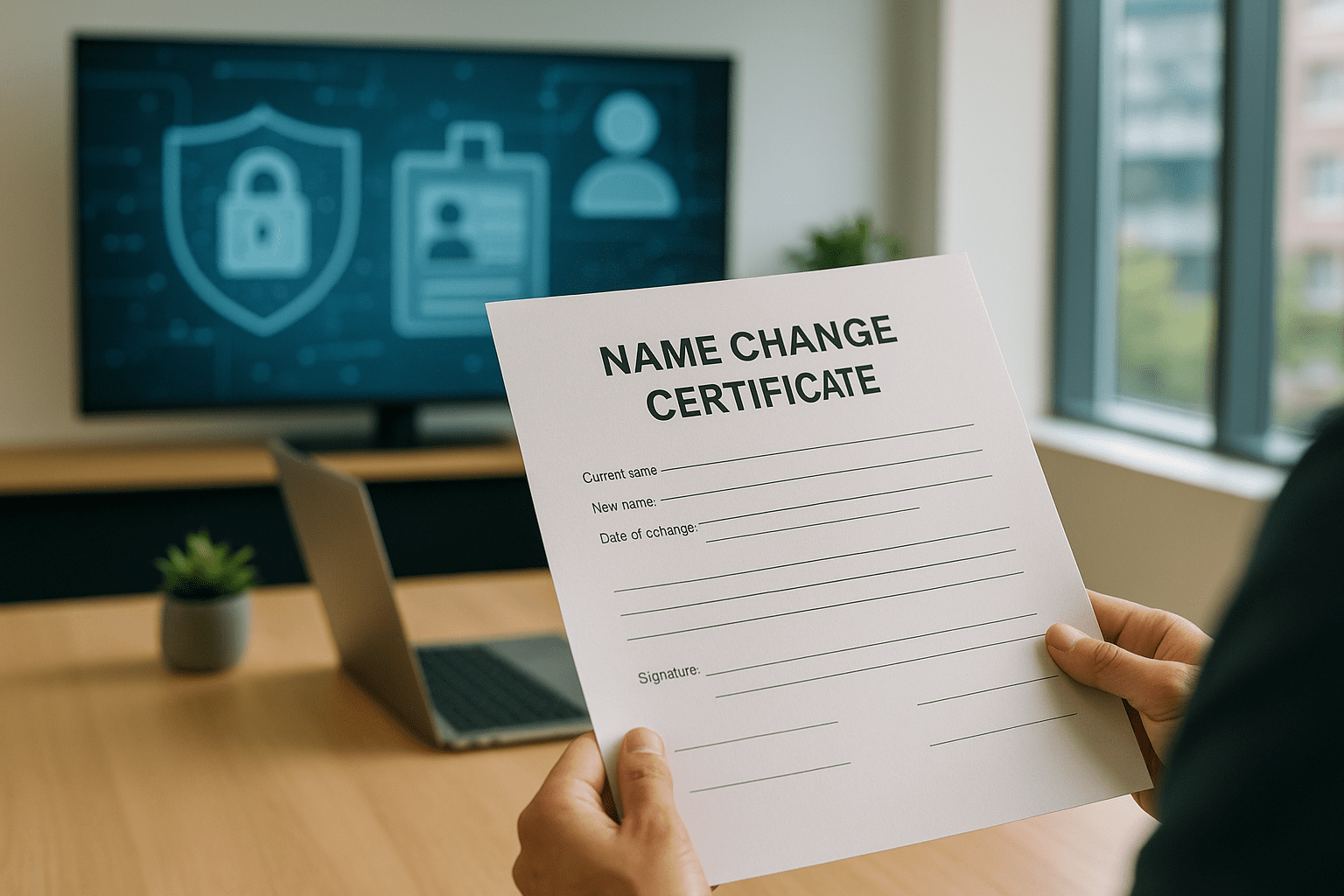
The backbone of accurate identity verification has always been solid records. Government agencies and courts that document name changes through petitions or legal declarations create official trails. These records often include prior and new names, dates, and sometimes reasons, giving verifiers a timeline to assemble identity continuity.
While not all jurisdictions make name change records equally accessible, the ones that do provide a richer data set to verify against. This access, however, presents both opportunity and challenge for digital verification platforms. Integrating these historical records requires care to ensure privacy and compliance with regulations such as those related to data protection and user consent.
Bridging gaps in online and offline identities
In digital transactions, from online banking to health services and even social media, proving one’s identity quickly and accurately depends on gathering various signals. Name change records supplement these by preventing mistaken assumptions. Without them, a system might trigger false alarms or delay service due to mismatches when someone updates their name but retains other identifiers like date of birth or address.
Companies and verification providers now recognize that name continuity adds confidence. It helps reduce fraud but also avoids inconveniencing legitimate users whose official names have evolved but whose identity remains verifiable and consistent.
Privacy concerns weigh in on access and use
Not surprisingly, the increased reliance on name change data raises questions about privacy and data security. Name change records, by nature, can reveal sensitive life details that individuals might prefer not to broadcast widely. Verification systems must strike a balance between using these records to confirm identity and protecting individuals from unwarranted exposure.
This tension means that organizations handling this data often employ strict controls, minimizing access and only using name change records when directly relevant to verification. Transparency about how these records affect identity checks is also part of building user trust, especially as individuals grow more concerned about how their personal information circulates online.
The ongoing search for holistic identity profiles
At its heart, verifying digital identity is about connecting dots across a person’s history to confirm who they are today. Name change records offer an essential connector across different moments and identities. Their growing inclusion in verification procedures speaks to a larger trend of making digital identity more robust, less prone to errors, and more respectful of how people evolve throughout life.
This record linkage approach is part of a broader push to refine identity frameworks, combining biometric data, behavior patterns, and public records like name changes. It highlights a more nuanced understanding of identity – one that accommodates change rather than assuming a fixed, unchanging label.
While challenges remain, especially around privacy and equitable access to official records, recognizing the significance of name change information brings verification practices a step closer to the real-world complexities of identity.
For those navigating identity systems, whether users or organizations, awareness of name change records is increasingly vital. It allows a smoother intersection of legal, social, and digital worlds where names tell a continuous, verifiable story, rather than a fragmented or contradictory one.
More broadly, it invites a shift in how we think about identity verification – not as a snapshot frozen in time but as a living process aligned with human experience.
Organizations involved in verification often consult resources such as the National Archives on public records, government portals explaining name change procedures, and privacy-focused guides to navigating data use responsibly. These combined perspectives help ground identity verification in both legal authority and ethical treatment of personal information.
As digital identity grows in importance, so too does the value of the subtle, behind-the-scenes records that ensure it is accurate and trustworthy. Name change records belong among these, quietly helping systems keep pace with the fluid, layered reality of human identity.
Understanding and acknowledging the role of name change records is part of crafting more reliable, user-friendly, and secure identity verification landscapes for today and the future.
Looking beyond the technical, these records remind us that identity is more than just a name on paper. It is a lived, ongoing story crossing public records, personal choices, and digital footprints alike.
In this sense, name change records are not only administrative notes but signals that digital identity systems cannot afford to overlook.
Keeping an eye on their integration, use, and protection provides insight into how identity verification will evolve as it tries to remain relevant to real people in a complex world.
In sum, name change records help map the continuity beneath the surface of changing names, strengthening the digital handshake that confirms who you are, no matter what your name says today or yesterday.
Those involved in the creation and use of digital identity solutions benefit from viewing these records as a key piece of identity’s mosaic, helping bridge gaps and clarify connections in an increasingly digital society.
It is a reminder that identity, while personal, is also collective, recorded in documents, maintained by systems, and verified through records that track the many ways individuals shape and reshape their names over time.
Where identity and technology converge, name change records quietly weave the threads of history and present into a tapestry that verification processes can trust.
These observations highlight ongoing work to create digital identity frameworks that align closer with real human stories, rather than expecting static information in a fast-moving world.
They also underscore why a well-rounded approach, one that respects both legal formality and personal history, ultimately benefits everyone seeking assurance in who they claim to be online and offline.
For those curious about how these records fit into the broader identity verification picture, sites like the [U.S. National Archives](https://www.archives.gov/) offer clear information about public record holdings, while [Privacy Rights Clearinghouse](https://privacyrights.org/) provides insight into data privacy concerns related to public records and identity verification. Additionally, the [Federal Trade Commission](https://consumer.ftc.gov/) offers resources on responsible handling of personal information in verification contexts.
These resources illuminate how name change records, once quiet cornerstones of identity documentation, are stepping forward as vital components in the fabric of digital identity verification.
Sources and Helpful Links
- U.S. National Archives – Information about public records and identity documents.
- Privacy Rights Clearinghouse – Guidance on data privacy and identity verification.
- Federal Trade Commission – Consumer resources on personal data protection and identity verification.