
Regional towns and rural areas often display a rhythm of movement that quietly signals deeper economic currents underneath. Watching how address histories evolve in these regions tends to provide a glimpse into the local economic landscape and its transformations over time. When people shift living locations within or between regional areas, their patterns frequently echo job opportunities, housing changes, and broader demographic shifts.
Noticing the shifting footprints in small towns
Adults moving away from one regional community toward another often do so for reasons that align closely with local employment trends. For example, when a manufacturing plant closes or a large employer downsizes, the resulting migration shows up in address records as clusters of outbound moves. That movement is mirrored by inbound migration to places where new industries or service sectors expand. Labor statistics data from local government agencies often backs up these migration flows, showing job loss or gain driving the shifts visible in public records.
Address history data may reveal that certain adjacent towns or counties experience these population ebbs and flows differently. While one town faces gradual outmigration tied to economic stagnation, another nearby spot might gain residents rapidly due to new business openings or infrastructure investments. Over time, the cumulative pattern tells a story around economic health across a region, piece by piece.
The housing market’s pulse reflected in address changes
Shifts in housing costs and availability also show prominently in address histories. For example, a surge in rent or home prices in a smaller city often leads to a rising number of residents moving farther out into even more rural areas. The trail of address records captures more long-distance and peripheral moves when affordability becomes a pressing factor.
This outward movement sometimes coincides with improved transport links or broader telecommuting trends, allowing workers to live in less dense places while keeping ties to urban job centers. These spatial changes in population location emerge again in data sets chronicling address history over time. Housing market fluctuations and economic conditions pull mobility threads that interlace closely with where new addresses appear and old ones are vacated.
Demographics and the layering of economic insight
Beyond the economics directly related to jobs and housing, demographic changes add further texture to address history signals. For instance, younger adults often migrate toward regional hubs or larger towns in search of education and starting careers, records show. Conversely, families or retirees may move in the opposite direction, drawn by affordability, safety, or lifestyle preferences.
These population flows help emphasize generational economic differentiation across regions. Tracking address histories by age groups and household types can highlight where economic vitality is expanding due to new young professionals versus where an aging population settles in for the long term. Public data resources like census profiles combined with address information create a clearer picture of who is moving where and why.
Looking beyond single towns to regional clusters
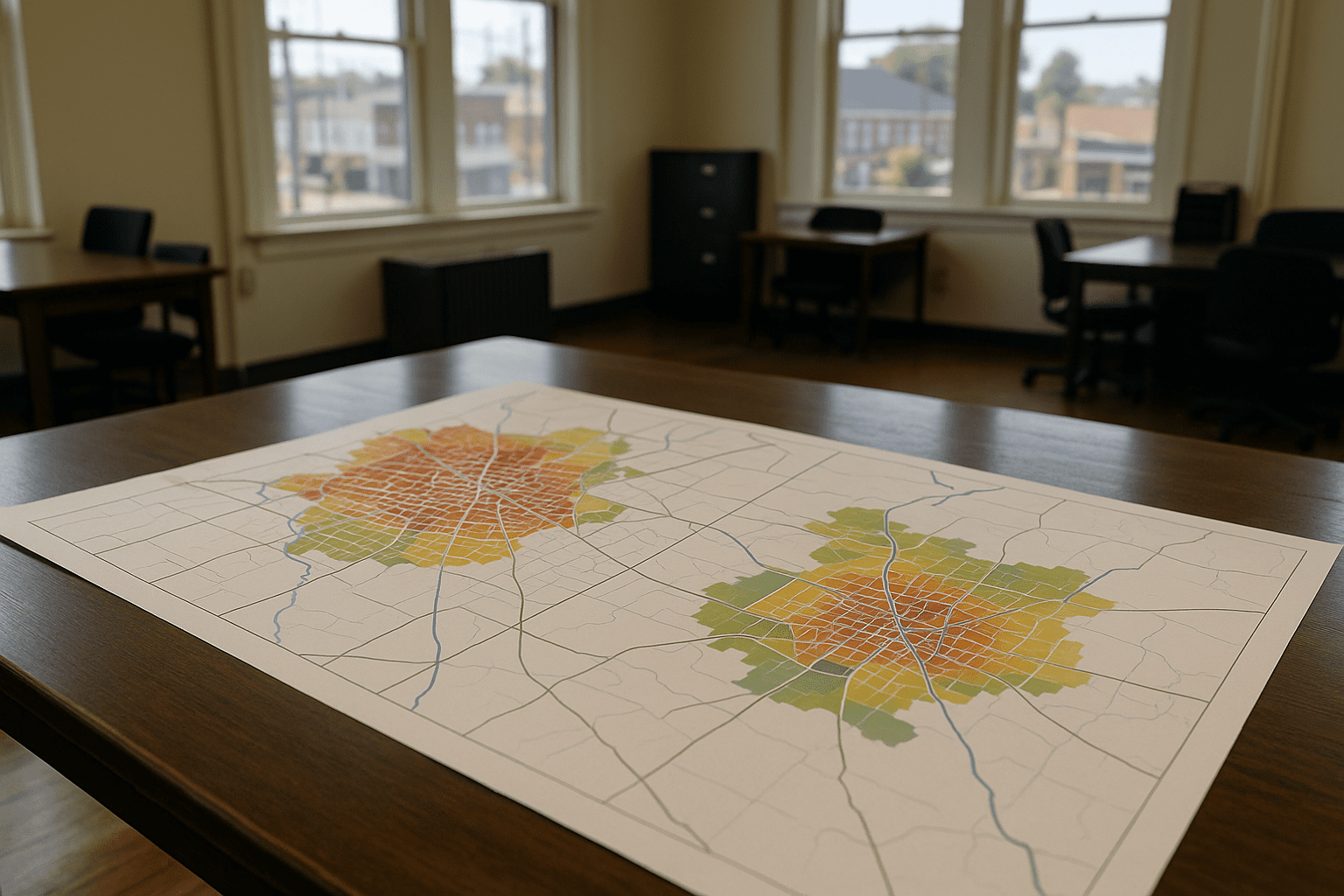
More revealing is the tendency indicating that address history patterns often extend across multiple towns and counties in connected regional zones. Such clusters provide a more nuanced understanding of economic change than isolated locations alone. Residents might cross county lines for work, schooling, or better living situations, causing address trends to ripple outward.
Analysis of these patterns reveals economic linkages between neighboring communities and their shared fortunes. For example, a mining decline in one county may push workers to shift toward another area’s emerging agricultural or manufacturing jobs. The flow is traceable through aggregated address histories, enriching knowledge around interdependent regional economies.
Organizations focused on regional planning and economic development can draw on this interconnected understanding to better tailor resources and anticipate population growth or decline. That makes tracking address histories far more than record keeping; it becomes a tool for observing living economies evolving over time.
Address history data reflects more than where people were on certain dates. It is part of a broader narrative about opportunity, affordability, and community change in regional areas. While not every move marks a dramatic change, the aggregated patterns seen through public records connect neatly to economic shifts in the real world. Watching those address footprints provides a clear, informative map of where regional economies have been and the subtle directions they may take next.
For anyone interested in the real dynamics behind population and economic changes in regional America, pairing address history data with labor and housing statistics offers a compelling way to read the ground beneath the visible surface. Public records thus serve as a valuable perspective in understanding how economic shifts resonate through people’s everyday lives and choices.
As technology and data access improve, the potential for detailed, insightful analyses of address histories increases, offering more informed snapshots of regional economic health. These observations contribute to a nuanced, grounded view of how communities grow, contract, and reshape themselves over time in response to changing economic realities.
For further resources on regional economic trends and the interplay with address histories, government labor sites and housing research organizations often provide data that complements public record insights. Exploring these various sources side by side enriches understanding and clarifies the significance behind the patterns quietly unfolding in address histories.
In sum, the movement patterns embedded in address records serve as a subtle but powerful lens, reflecting how shifting economic forces shape the lived landscape of regional areas continuously through time.
Sources and Helpful Links
- Bureau of Labor Statistics Regional Data – Local employment and economic statistics by region
- U.S. Census Migration Data – Analysis of population movement trends across regions
- HUD User Housing Data – Housing market and affordability data relevant to population shifts
- Regional Economic Development Resources – Insights on regional economic interdependence and planning