The Lived Reality of Multiple Names in Public Records
Anyone who has looked up a person in public records will know it is rarely a neat, one-name affair. Life itself involves names changing, evolving, and overlapping in ways that can confuse even the keenest researchers. People may use their birth names, nicknames, shortened versions, or entirely new names for a variety of reasons. These aliases appear scattered across court records, property deeds, and online databases, each linked to a different moment, place, or legal status.
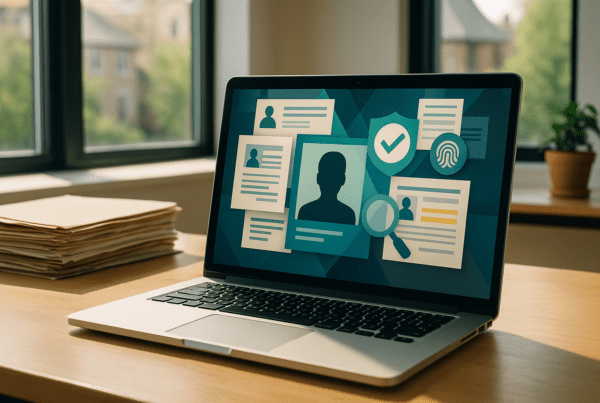
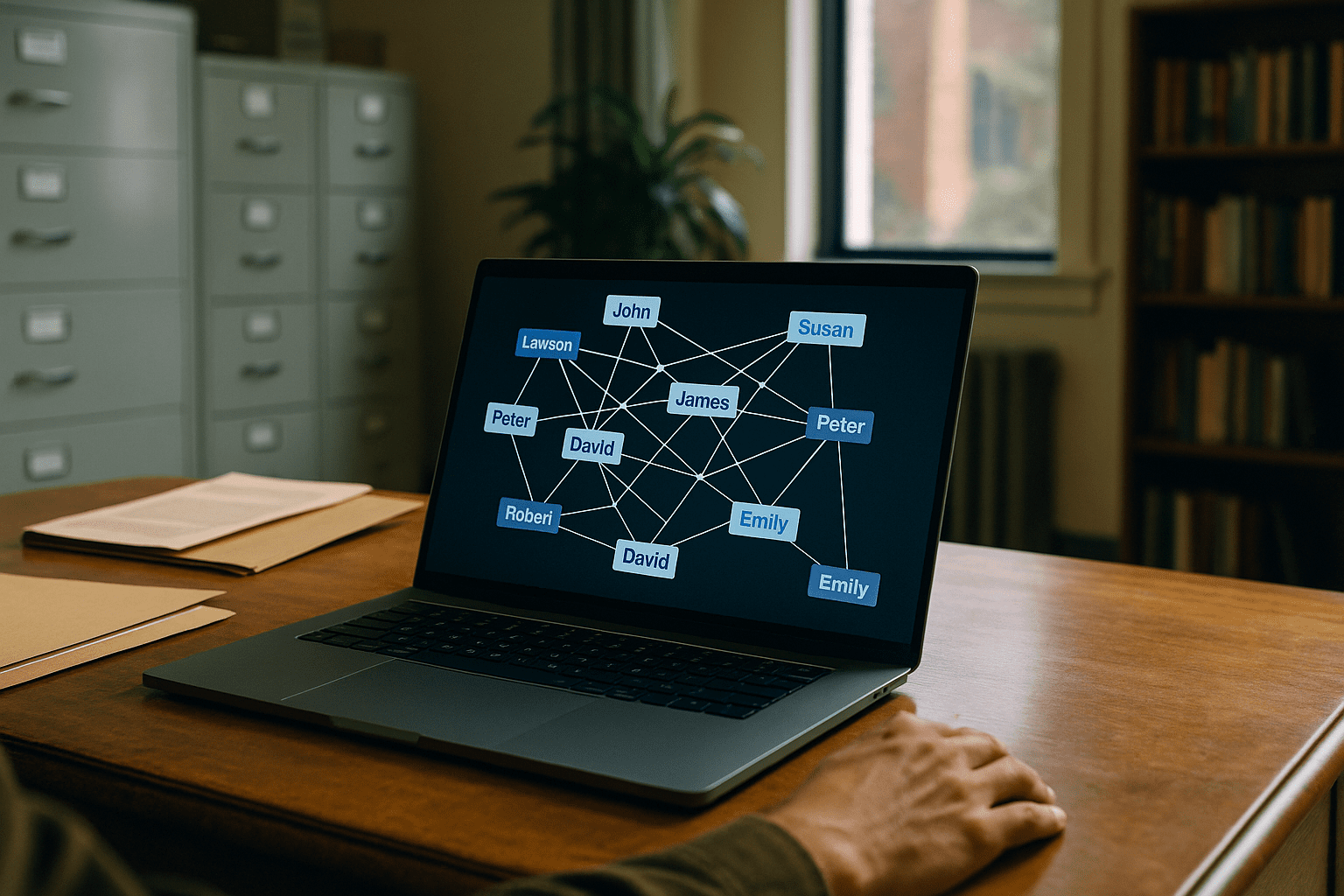
People search platforms, then, do not just read names. They read stories told by identity fragments. This sets them at a crossroads between the legal rigidity of records and the fluidity of human identity. Behind the scenes, complex algorithms and manual verification efforts team up to untangle when a “John Smith” and a “Jonathan Smythe” might really point at the same individual.
The Many Reasons Behind Alias Appearances
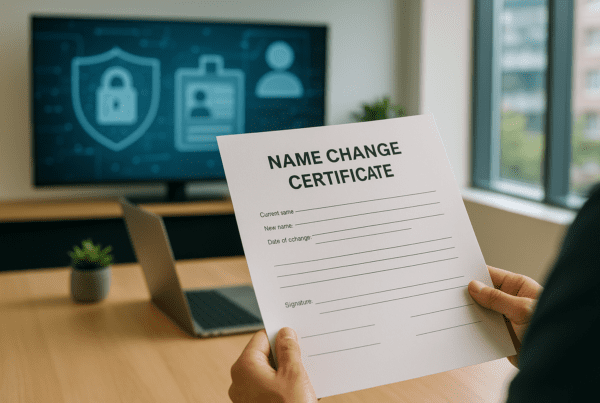
Aliases surface in countless ways, often reflecting genuine life changes more than any attempt at deception. Marriage is frequently behind a surname change, especially historically among women, though nowadays it is increasingly common to keep original surnames or adopt hyphenated versions. Immigration can introduce subtle or significant changes, as officials sometimes adjust names to align with language norms or clerical standards.
Professional aliases also play a role, such as stage names or pen names. For privacy, some choose alternative identities to protect themselves online or avoid harassment. In criminal or legal records, aliases might hint at attempts to conceal identity, though their presence does not imply guilt. For the platforms that aggregate data, the trick lies in distinguishing genuine connections from coincidental matches without jumping to conclusions.
When Pieces Start to Connect
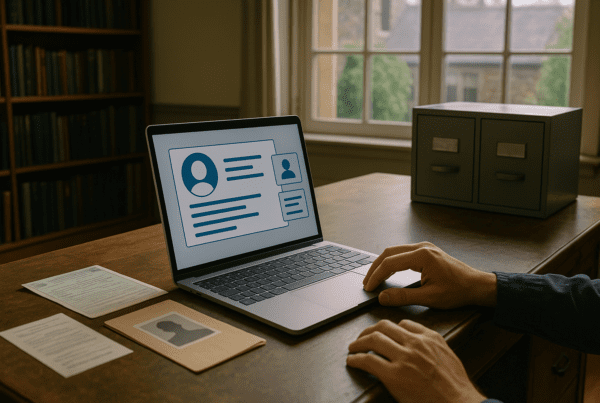
People search systems rely on much more than names alone. They examine birthdates, addresses, phone numbers, email contacts, and family member records to assemble different identifiers into a cohesive profile. For example, “Mary Johnson”, born in 1985 and connected to a Seattle address, might also appear as “Mary J. Smith” linked to the same phone number and a previous residence in nearby Bellevue.
This process involves navigating errors from typos, incomplete information, and commonality of names, so it is not foolproof. Platforms often present matches as probabilities rather than certainties, sometimes adding a manual review layer for sensitive or professional checks. Despite improvements in technology, human intervention continues to play a valuable role in handling ambiguous or conflicting details.
These challenges show the carefully balanced dance between automated technology and human insight. People search platforms cannot rely on simple name matching algorithms without risking either missing key connections or falsely linking unrelated individuals. By layering multiple data points, they can better approach a full picture, but the results require thoughtful interpretation.
Privacy Tensions Behind Alias Disclosures
Aliases raise delicate questions about privacy and transparency. Showing alternative names can expose sensitive chapters in a person’s history that they might prefer to keep private. If these details are seen without the proper context, they risk causing misunderstanding or damage to reputation. However, withholding such information can undermine the platforms’ aim to provide a comprehensive and truthful picture.
Regulations such as the Fair Credit Reporting Act influence how alias data may be used and shared, especially in consumer reports. Individuals have rights to dispute incorrect information linked to any of their names. Many people search services strive to navigate these legal frameworks carefully while maintaining usability and confidence for their users.
At the same time, public awareness about digital footprints and privacy has heightened. Users often expect transparency but are also wary of exposing too much. Striking this balance involves careful decisions about what alias data to display openly versus what to withhold or flag as uncertain.
Advances and Continuing Challenges in Alias Management
Artificial intelligence and machine learning have enhanced the ability of platforms to discern patterns and anomalies when processing alias data. These tools help reduce errors and improve understanding of complex name variations in large data sets. Still, human insight remains crucial, especially when cultural naming practices or local specifics influence how identities appear.
Beyond technology, changes in public records themselves have impacted this work. Governments and agencies are gradually improving data standardization and accessibility. As more records become digitized and interoperable, search platforms gain a richer data environment. Yet, this also introduces new challenges around data freshness, consistency, and privacy compliance.
Additionally, global variations in naming conventions create added layers of complexity. For example, some cultures place family names first, use patronymics, or adopt informal names publicly known but not recorded officially. Search platforms must adapt their approaches continually to represent these nuances accurately.
Understanding this dynamic encourages a measured approach to interpreting search results, reminding users that identifying one person across the scatter of names and records demands patience and context rather than quick judgment.
For more detailed perspectives about public records and privacy regulations, resources such as the Federal Trade Commission’s Fair Credit Reporting Act overview and the Privacy Rights Clearinghouse consumer guides are worth exploring. The Consumer Financial Protection Bureau’s research also offers ongoing insights into identity-related data handling.
Recognizing the complexity of aliases sheds light on both the challenges and responsibilities of people search platforms as they represent multifaceted human identities through public data.
Sources and Helpful Links
- Federal Trade Commission’s Fair Credit Reporting Act overview – A comprehensive resource on rules governing consumer report accuracy and privacy
- Privacy Rights Clearinghouse – Educational guides about privacy issues and data protection
- Consumer Financial Protection Bureau’s data and research – Insights on consumer data management and identity protections