
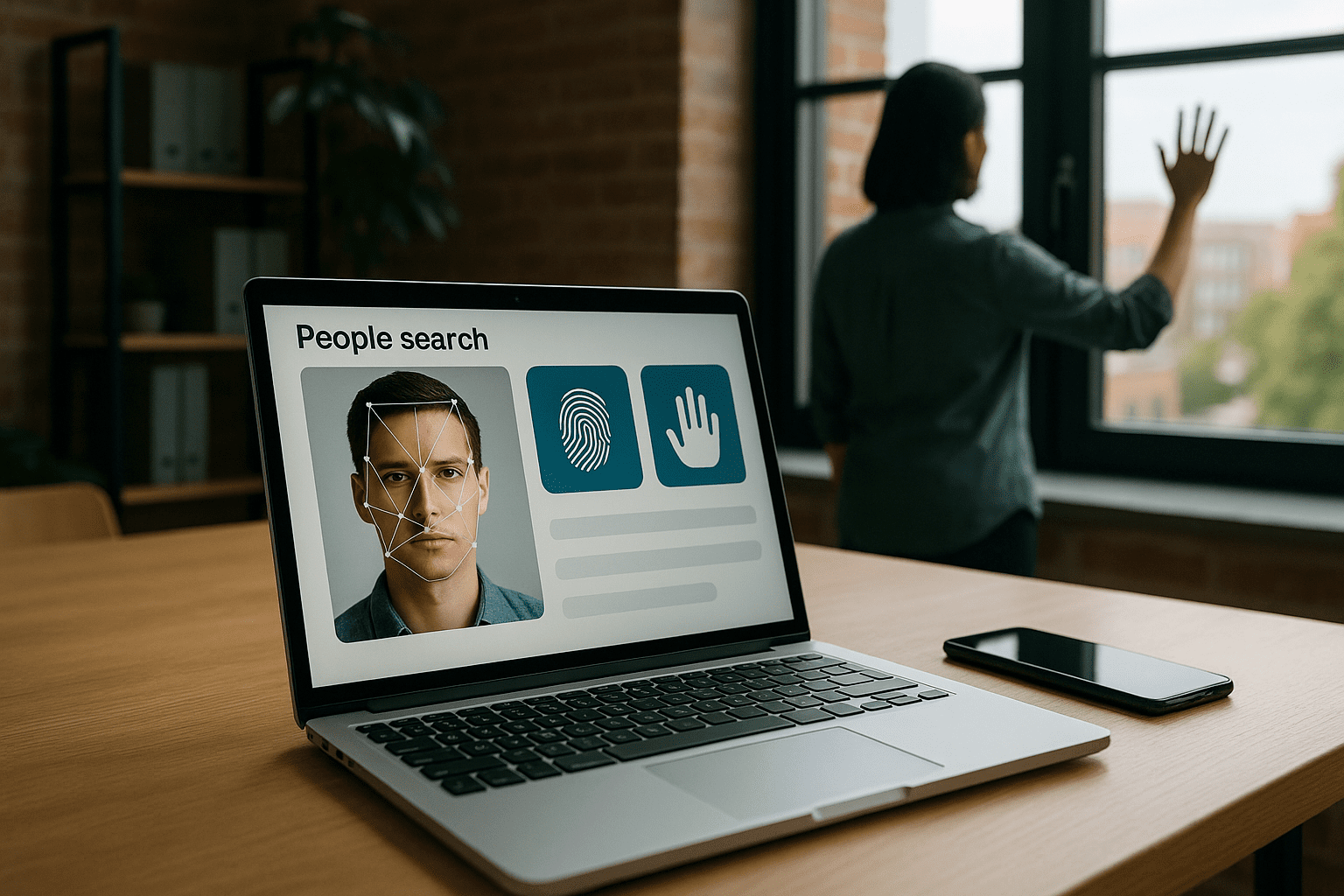
Accessing information through people search services has become a routine part of various tasks, from reconnecting with old acquaintances to verifying backgrounds for professional reasons. However, the growing volume of available public records and contact data has made security a critical concern not just for service providers but also for users and those whose data is being accessed.
Shifting Dynamics in Identity Verification
Traditional people search platforms, historically reliant on basic authentication steps such as username-password combinations, have increasingly faced scrutiny over data privacy and risks of misuse. As the available public data has expanded, so too has the potential for identity theft, fraud, and unauthorized access.
In response, providers are adopting enhanced authentication protocols, blending well-known factors like passwords with additional measures. Multi-factor authentication (MFA) transforms the login process by requiring multiple forms of evidence to prove identity. This can be something the user knows, like a PIN, combined with possession-based factors such as a security token or biometric verification.
Biometric options, including fingerprint or facial recognition, bring a level of assurance that traditional methods struggle to match. Unlike static passwords, biometrics are dynamic and tied uniquely to the individual, although they must be implemented carefully to respect user privacy and prevent tracking or data leakage.
The Ripple Effect on Access and Convenience
Adding layers to authentication inevitably impacts user experience. People accessing public records or contact information might face longer or more complex sign-in flows. Yet, this trade-off is weighed against the benefit of reducing unauthorized queries or data scraping.
The challenge lies in avoiding scenarios where increased security discourages legitimate users or leads to frustration. Services have experimented with adaptive authentication, where security steps adjust based on risk signals like device profile, location, or query patterns. This allows smoother access for trusted users while demanding more scrutiny when unusual activity is detected.
These flexible approaches acknowledge the diversity of people search use cases, from casual inquiries to professional due diligence. Providers engaging users transparently about why different verification steps are necessary tend to foster trust and acceptance.
Regulatory Pressure and Industry Standards
Beyond technology, regulatory frameworks worldwide increasingly emphasize data protection, pushing people search platforms to reconsider security practices. Laws such as the General Data Protection Regulation (GDPR) in Europe and the California Consumer Privacy Act (CCPA) in the United States set boundaries on data use, storage, and consent.
Enhanced authentication forms part of compliance efforts by helping restrict access only to verified users. This reduces inadvertent exposure of sensitive personal records and aligns with requirements to safeguard consumer data effectively.
Industry groups and cybersecurity authorities have also issued guidelines advocating stronger identity proofing and authentication standards. These recommendations steer the sector to a more uniform baseline for verifying user identity before permitting searches on databases containing personal information.
Practical Changes in People Search Security
From the user perspective, several developments highlight how enhanced authentication shapes the search landscape. For instance, some services now require account creation verified by email or phone before allowing access to certain record categories.
Others integrate government-issued ID verification as part of onboarding, reducing the likelihood that fake or anonymous profiles gain entry. These steps create a chain of accountability for searches performed and discourage casual misuse.
On the backend, monitoring tools track access patterns more closely, flagging suspicious behavior for review. Combining machine learning with authentication data enables platforms to preemptively block or limit exposure when anomalies arise.
This combination of human authentication and automated surveillance reflects a broader trend in digital security, where identity assurance becomes multi-dimensional rather than relying on a single piece of data.
Balancing Security with Transparency
While stricter authentication improves security, it also raises questions about transparency around data collection and user rights. People search platforms increasingly need to communicate clearly about what data is gathered, how authentication affects privacy, and how users can control their own information.
This conversation ties closely to trust, not only between platforms and users but also for those whose data appears in search results. Strong authentication helps prevent unauthorized fishing for personal details but must coexist with policies that offer individuals some measure of control over their data visibility.
Practices like notification of data access, the ability to correct or remove inaccurate information, and adherence to privacy requests become part of a broader security ecosystem enhanced authentication supports but cannot replace on its own.
The evolution of enhanced authentication protocols in people search reflects the growing complexity of handling identity, privacy, and usability together. While no system can guarantee perfect security, the movement toward multi-factor, biometric, and adaptive authentication methods represents a thoughtful response to real-world challenges in public records access. Observing how these implementations continue to develop will provide valuable insight into the balance between open information and responsible protection in the digital age.
As these security trends unfold, users and platforms alike must remain attentive to changing risks, regulatory expectations, and user rights. The interplay between convenience and protection is ongoing, and enhanced authentication stands as a key piece in navigating this evolving landscape.
For more information on data privacy regulations and authentication best practices, resources such as the Office of the Australian Information Commissioner provide a comprehensive overview. The NIST Digital Identity Guidelines offer detailed standards on identity proofing and authentication to consider. For understanding rights related to consumer data access and protection, the Federal Trade Commission’s PII guide remains a valuable reference.
As technology and policy evolve, those interested in people search security will benefit from staying connected to these authoritative sources to interpret changes and safeguard identity verification effectively.
Sources and Helpful Links
- Office of the Australian Information Commissioner – A resource on data privacy laws and guidelines.
- NIST Digital Identity Guidelines – Technical standards on authentication and identity proofing.
- Federal Trade Commission’s PII Guide – Information on protections for personally identifiable information.