
Trying to verify identity in our data-driven world is never straightforward. Across multiple public and private repositories, information about individuals exists in fragments. What makes this landscape fascinating and sometimes frustrating is that no single source provides a complete picture. Instead, identities get pieced together from voter registrations, property records, subscription services, and countless digital footprints. Each holds clues but also cracks in accuracy and consistency that complicate verification.
When Data Does Not Agree
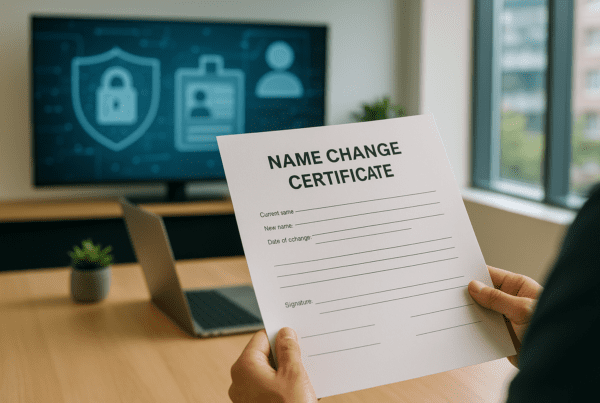
A longstanding issue is mismatched or conflicting details across repositories. A person may be registered under a slightly different name spelling in one database than in another, or an address could be current in government tax records but outdated on a private marketing list. These inconsistencies are not merely nuisances. They influence everything from credit checks to background investigations, leading to outcomes that may affect an individual’s access to services or opportunities.
One reason for these variations is the different purposes and update frequencies among repositories. Government agencies might update address records once a year, while private companies may refresh customer data more often but rely heavily on self-reported information. The contrast in data hygiene and validation protocols means even large-scale, widely trusted sources like the SEC or the U.S. Census Bureau can produce data that does not perfectly align with commercial databases.
The Challenge of Identity Proofing
Proofing an identity goes beyond matching names or Social Security numbers in isolation. Increasingly, digital identity ecosystems look for connections between data points-address history, phone numbers, email addresses, employment records-to build a web that supports confidence in a claim. But each new data touchpoint can bring its own confusion. Shared addresses between family members or common names create a risk of mistaken identity. Even biometric data, often viewed as a gold standard, may have pitfalls depending on collection quality or data aging.
In practice, many systems use probabilistic matching rather than perfect one-to-one matches. This statistical approach accepts a degree of imperfection while balancing false positives and false negatives. The art and science of managing these tradeoffs is an ongoing endeavor for the data teams behind identity verification platforms. Without careful tuning, the risk grows of wrongly associating records or missing legitimate matches entirely.
Privacy Considerations and Regulatory Influences
The collection and use of identity data happen under a shifting legal environment. Regulations such as the General Data Protection Regulation (GDPR) and Gramm-Leach-Bliley Act (GLBA) affect how data can be stored, shared, and cross-referenced. Organizations engaged in identity verification must navigate these laws carefully, balancing accuracy goals against privacy rights.
Beyond compliance, users themselves exert pressure by demanding greater transparency and control over personal data. That demand has encouraged innovation in decentralized identity and user-centric control tools that aim to reduce dependency on centralized repositories while maintaining verification integrity. These trends challenge traditional approaches but also offer exciting new possibilities for managing identity across diverse data sources.
Opportunities in Technology and Data Integration
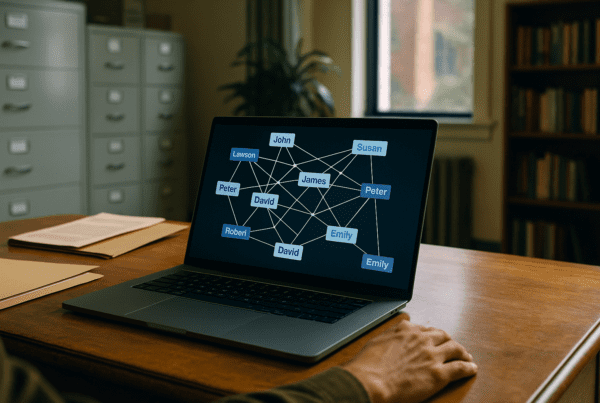
While challenges abound, the integration of emerging technologies can foster improvements. Artificial intelligence and machine learning enable systems to detect subtle patterns and anomalies that were invisible in manual processes. For example, advanced natural language processing helps reconcile variations in name spellings or extract structured data from unstructured notes. Network analysis can reveal relational links, such as familial or professional connections, enhancing contextual understanding.
Another opportunity lies in the expansion of data-sharing partnerships. When carefully governed, these collaborations increase the breadth of information available for matching identities. Public records enhanced by consumer data or telecommunications insights can create richer profiles that improve verification accuracy. Industry standards and frameworks supporting data interoperability play a crucial role here, smoothing the flow of data between independent repositories.
Still, these advances are contingent on maintaining trust and security. Without safeguarding against data breaches or misuse, gains in interoperability could lead to harm through identity theft or fraud. The stakes remain high, driving ongoing investment in encryption, anonymization, and audit capabilities integrated into identity management processes.
Looking Beyond Traditional Boundaries
As the concept of identity itself evolves in the digital era, verification approaches must follow. We are seeing a shift away from solely document- or record-based verification toward dynamic, continuous verification models. These use real-time behavioral signals and device recognition combined with traditional data. Although this trend helps address some limitations of fixed repositories, it introduces new questions around fairness, transparency, and accessibility.
Reflecting on identity verification in the real world reveals a complex negotiation between data accuracy, privacy, technology, and human factors. Each data repository contributes pieces of the puzzle but must be understood in context rather than as absolute truth. The path forward likely involves a hybrid of trusted sources, innovative analytics, and user-centric controls that together uphold both security and personal dignity.
Exploring how identity lives across multiple data repositories uncovers a landscape marked by both intricate difficulties and potential breakthroughs. Recognizing these forces helps clarify the deeper realities beneath the surface of identity verification in an interconnected world.
For those engaged in people search or identity management, appreciating these nuances encourages more cautious, thoughtful use of data as well as openness to emerging tools and practices that aim to preserve trust and transparency.
Observing how various record collections interact and the patterns they reveal offers valuable insights for anyone seeking to understand or improve identity verification today.
Anyone interested in further reading can explore resources from the United States Patent and Trademark Office (USPTO) for technical standards related to identity frameworks, or dive into privacy resources at the International Association of Privacy Professionals (IAPP) to grasp evolving regulatory landscapes.
Sources and Helpful Links
- GDPR Information for comprehensive details on European data privacy regulations
- FTC on GLBA covering privacy requirements for financial institutions
- U.S. Census Bureau as a source of public demographic and address data
- International Association of Privacy Professionals offering resources on data privacy and compliance
- USPTO for identity management technology standards and patents