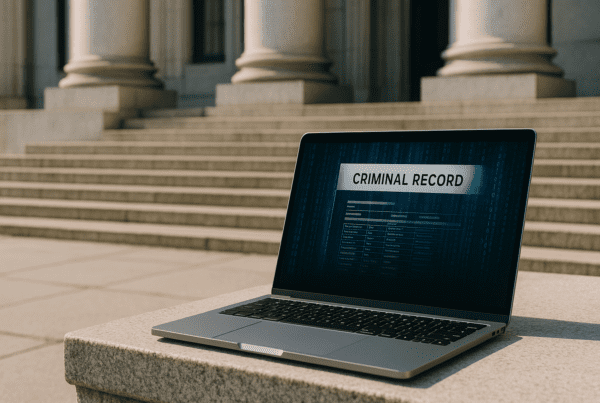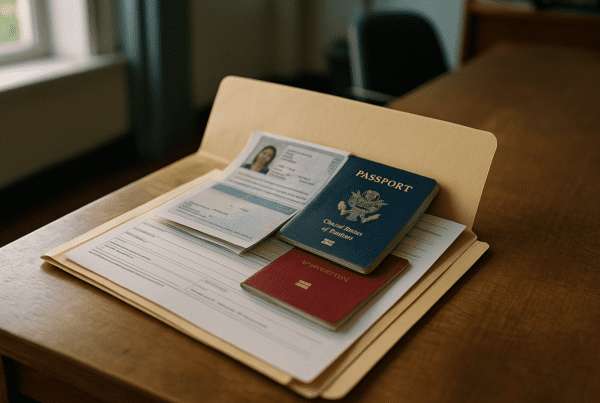

The gig economy reshapes the notion of where people call home, reflecting a lifestyle marked by mobility and fluidity that contrasts with traditional employment. For those who work in ridesharing, delivery services, or freelance digital roles, stable residency can be elusive or multifaceted. Public records serve as one of the few structured ways to observe these residency shifts and better understand how gig workers navigate their living situations.
When Location Is More Than Just an Address
Traditional assumptions about residency often involve a fixed address tied to stable employment and long-term living. Yet for many gig workers, this model no longer fits. Moves happen more frequently, and the address registered on official documents may not reflect where a person spends most of their time. Drivers might shift between neighborhoods responding to demand, while freelancers may split time across states to optimize work or cut costs.
Public records capture aspects of this shifting landscape through property ownership records, rental filings, and voter registration data. Such records tend to lag behind real-time changes but provide a backbone of information to piece together a worker’s residential footprint.
Short-term leases and informal housing arrangements, increasingly common among gig workers, are sometimes documented in county records or housing court filings. These details hint at underlying economic pressures and the instability many face, aspects that are rarely visible through employment data alone.
Economic Stories Embedded in Residency Patterns
Just as important as the raw addresses are the stories these records tell about gig economy workers’ economic circumstances. Frequent moves captured in public records can signal economic volatility, efforts to find affordable living, or strategic positioning near work centers. Some people might have multiple residences on file, reflecting complex arrangements between family support networks and work locations.
This complexity can also arise from legal considerations. Eligibility for public benefits or tax advantages often depends on declared residency, encouraging some to maintain official addresses even when informal living situations differ. Public records provide a way to map these contradictions, showing where lives and official paperwork sometimes diverge.
Blending public records with data from gig platforms has started opening windows into these realities. Ride data, delivery routes, and online activity can be compared against property and voter files to see where economic life really unfolds. This approach is valuable for researchers and policymakers interested in accurate depictions of where gig workers live and work.
Looking Between the Lines with Caution
Interpreting public records in this context requires careful attention. A driver’s license or voter registration address can be out of date, especially for workers who move often or experience housing insecurity. Some maintain an official address, such as a family home, to preserve benefits or access, even while spending most nights elsewhere.
This discrepancy complicates attempts to draw clear conclusions but also reveals the nuanced ways residency is lived and declared. The process underscores the tension between bureaucratic systems and the realities of flexible, unstable work arrangements common in the gig economy.
Moreover, privacy issues arise as these records become cross-referenced with employment and digital data. Gig workers, often lacking traditional employee protections, might face greater risks when their residency and activity patterns are pieced together publicly. Ethical practices in using these data sources matter greatly to prevent undue surveillance or misinterpretation.
The Bigger Picture Residency Reveals
Viewed broadly, public records do more than track where a person sleeps. They offer a glimpse into broader social and economic trends shaped by the gig economy’s rise. Many gig workers display stability through property ownership or long-term residency not immediately apparent in employment snapshots. Yet other patterns reveal frequent moves, housing instability, and shifting urban footprints linked to wider housing market pressures.
Residency influences more than mail or voting rights; it shapes access to healthcare, social programs, and community belonging. Policymakers and urban planners increasingly rely on public records to verify residency as they seek to regulate gig work, enforce taxation, and tailor social assistance. The accuracy and context in these data sources are becoming crucial as gig work continues to evolve rapidly.
Ultimately, public records provide a window into how gig workers balance flexibility and rootedness. This ongoing balancing act reflects a world where work and home no longer fit neat categories, revealing the human geography of modern labor through layers of data made accessible in public filings.
Sources and Helpful Links
- IRS Residency Status, official guidance on tax residency which influences where gig workers may declare residency for tax purposes
- USA.gov Property Records, a gateway to public property data often used to confirm residential history
- Nolo on Residency and Voter Registration, explaining residency rules that impact how people declare their primary address
- Brookings on Gig Economy Trends, analysis touching on patterns of work and place for gig workers across the US
- The Pew Charitable Trusts on Gig Work and Housing, discussing housing instability linked to gig industry fluctuations