
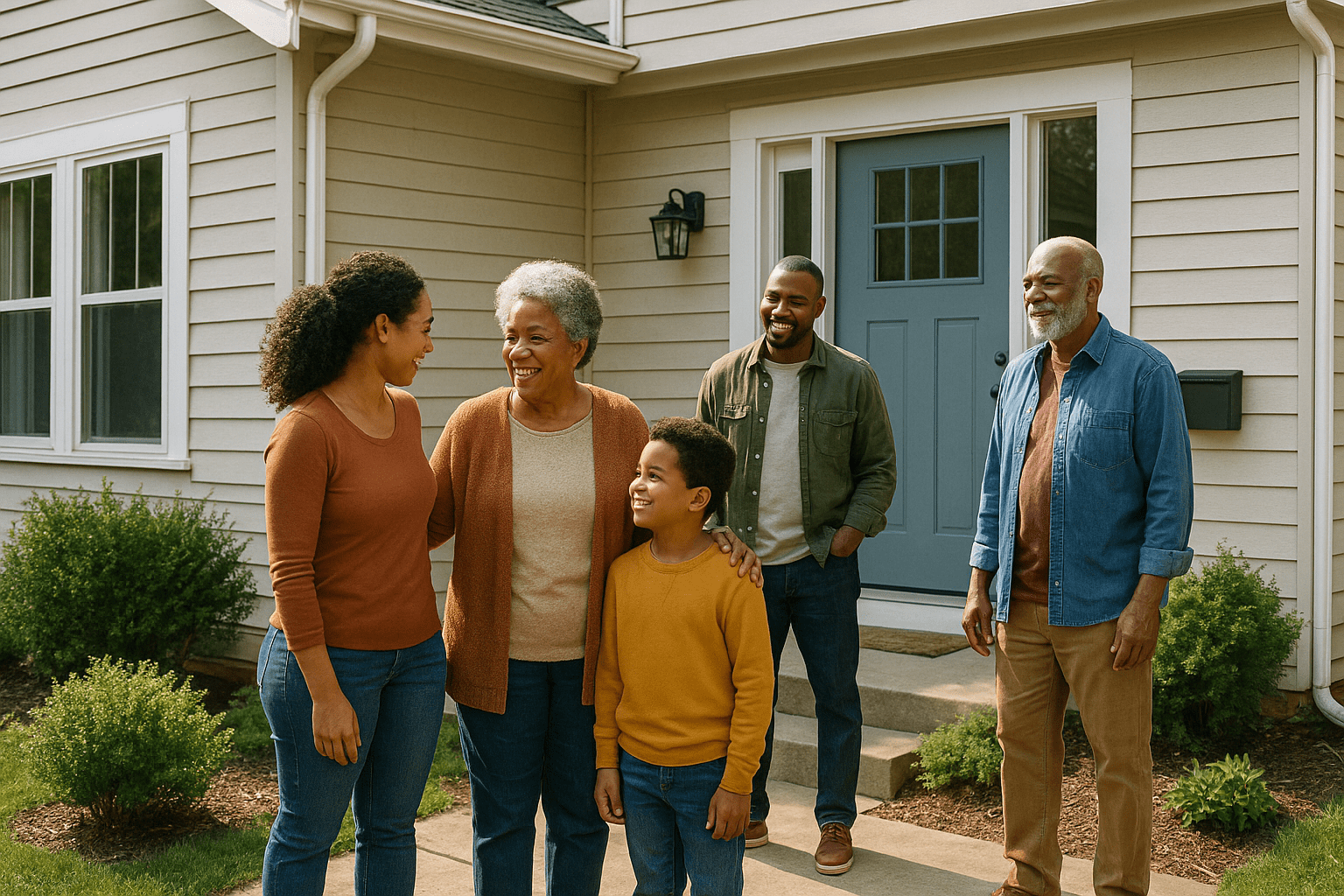
The patterns emerging from public records often tell stories deeper than the simple listings of addresses or names. When we look at multi-generational housing trends, these records provide a valuable window into how families increasingly live together across generations. This kind of household arrangement reflects a mix of economic realities, cultural customs, and shifting lifestyle preferences that ripple across communities and generations alike.
What Homes Shared by Multiple Generations Can Uncover
Hidden within property records, census data, and housing registries lie snapshots of how households form and transform through time. Spotting multi-generational living means looking for clues: a single property title held by several family members, unusually large household counts on census forms, or repeated address histories shared by different family surnames. These subtle hints paint a picture of families combining resources and space to meet changing demands.
Often, what starts as a practical response to rising housing costs or caregiving needs turns into complex social arrangements. Public records do more than show frozen facts; they reveal how people rearrange their living situations in response to real-world pressures. In many urban and suburban areas affected by housing affordability, the records present a steady rise in homes accommodating three or more generations under one roof or on contiguous lots.
Economic Currents Flowing Through Family Housing
Economic forces are frequently the backdrop for multi-generational housing shifts visible in public data. Records that log property sales, ownership transfers, and mortgage documents often reveal patterns where families purchase or maintain properties collectively. These moves make practical sense when housing markets are tight or incomes stagnate.
Additional public sources add depth to this story. For example, building permits that authorize home expansions or separate living units frequently correspond to families adapting their homes to accommodate additional relatives. Housing assistance program records can also offer snapshots of policy responses aiming to support such arrangements through subsidies or more flexible zoning.
Together, these official records provide insight into how families negotiate the tension between economic constraints and the desire or necessity to share living spaces.
When Cultural Traditions Shape Household Patterns
The motivations behind multi-generational homes often go beyond economic factors. Publicly accessible genealogical records, marriage documentation, and vital statistics blend with property data to reveal how cultural heritage influences family compositions. These documents signal long-standing traditions where extended family living is not simply an economic accommodation but a preferred social model.
This phenomenon is particularly evident in communities with immigrant backgrounds, where maintaining close kinship ties within the same household reinforces identity, caregiving roles, and cultural continuity. Examining address histories alongside birth and death records can show how these familial bonds persist geographically and demographically over decades.
Household Evolution Told Through Document Trails
One of the strengths of public records lies in their ability to show change over time rather than a single moment. The story of a home that starts as a typical single-family residence may unfold through a series of property transfers, remodel permits, and voter registrations that signal growing multi-generational complexity. Family separations or mergers are recorded through divorce filings or deeds reassigned within kin networks, tracing the fluid nature of household structures.
Following these data points creates a rich narrative of family strategies adapting to shifting economic needs, social obligations, or caregiving challenges. Instead of rigid categories, these records reveal fluid living arrangements that evolve with the circumstances of the people involved.
More Than Addresses: Unpacking the Layers Within a Home
The public data frequently expose complexity hidden within simple-looking addresses. For instance, the presence of multiple registered voters at one location, or utility accounts that fluctuate dramatically, may indicate subdivided spaces or informal arrangements not visible in standard surveys. These internal household variations matter for community planning and social services.
Urban planners and social researchers rely on such findings to better understand demand for resources like healthcare, education, and public transportation in regions where multi-generational living is on the rise. Recognizing how one property’s social function differs from its physical appearance helps tailor more effective policies and supports.
Detailed explorations like the U.S. Census Bureau’s reports on multigenerational households provide important data points reflecting these complex living situations. Property databases continue to record ownership and residency shifts, while housing research websites synthesize this data into accessible formats for families, policymakers, and scholars.
Ultimately, public records act as unfolding stories about how families cluster around shared homes. They intersect with cultural, economic, and caregiving dimensions shaping the evolving design of households today. These records preserve past arrangements and illuminate ongoing adaptations in the ways multiple generations live together, marking the intersections of identity and belonging within our communities.
Sources and Helpful Links
- U.S. Census Bureau on Multigenerational Living offers data and analyses on household composition trends.
- HUD User on Accessory Dwelling Units explores local housing adaptations facilitating extended family living.
- National Association of Home Builders provides insights into housing design trends responding to multi-generational needs.
- NPR Coverage on the Rise of Multi-Generational Homes discusses social and economic factors fueling household changes.
- Pew Research Center on Multigenerational Living provides context for demographic patterns influencing family housing.