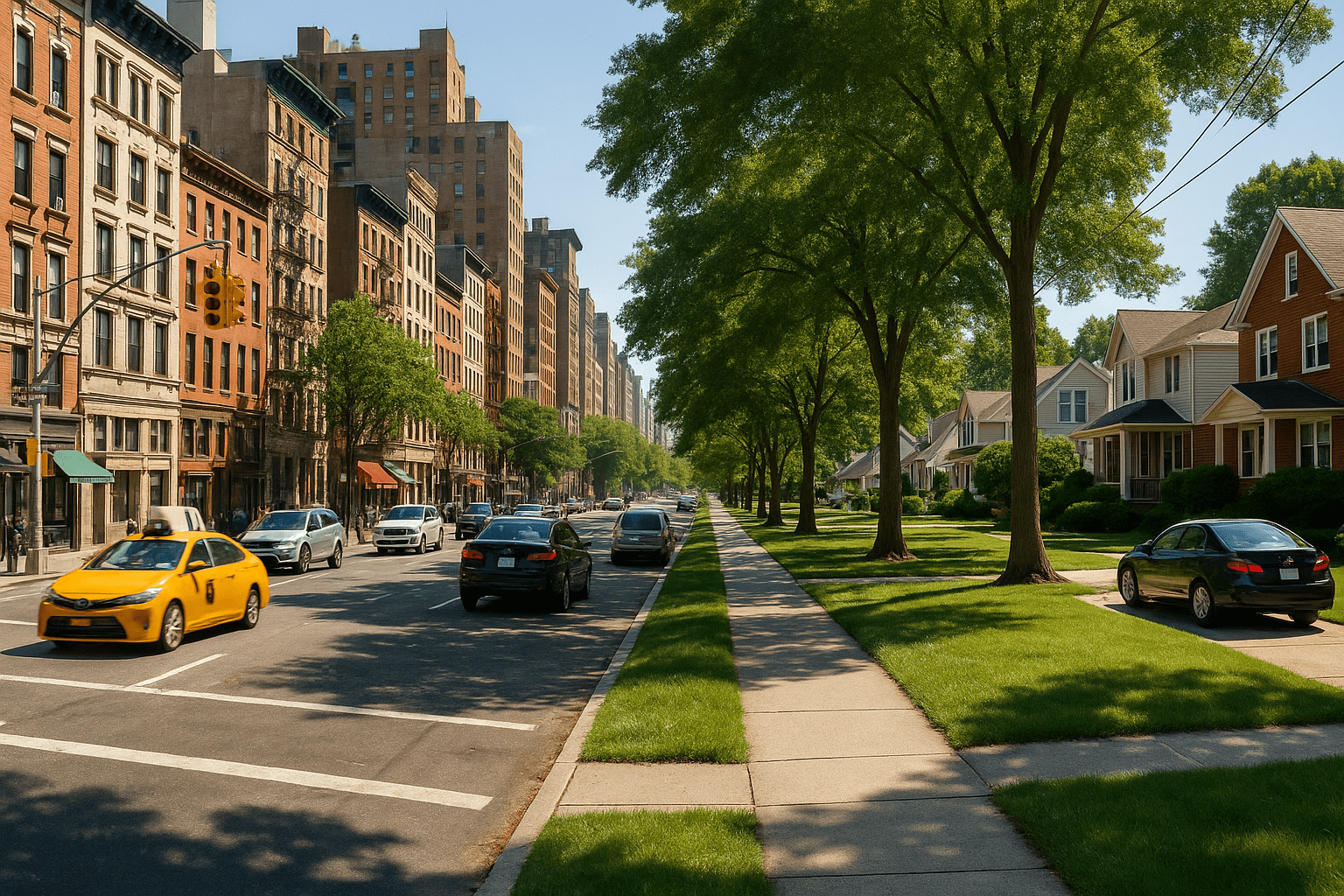
Neighborhoods breathing with activity and residents moving in and out define a city’s rhythm. Over time, these movements create patterns signaling broader social changes. In recent years, the patterns of address stability are revealing some surprising shifts. They tell a story not just about where people live but also about how they live and what they value in their communities.
The Quiet Pulse of Movement in Cities and Suburbs
Address stability, the length of time someone remains at one location, reflects more than just housing conditions. It provides insight into economic stability, social ties, and personal preferences. For decades, urban areas were marked by higher turnover rates. This movement often related to job changes, rent affordability, or shifts tied to demographic groups entering or leaving neighborhoods.
Suburban areas, on the other hand, typically displayed greater stability. Families purchasing homes in suburbs often intended to stay longer, raising children and establishing more permanent community ties. But recent data suggests this division is no longer as clear-cut. Various metropolitan areas report suburban populations experiencing more frequent moves while some urban neighborhoods stabilize.
Economic Shifts and Their Footprints in Stability Data
The housing market pressures are a big part of these changing patterns. Rising home prices and rents have pushed many younger adults to delay buying homes, contributing to ongoing renting or shifting among different rental units more frequently. This especially affects suburbs that historically benefited from longer-term residency as affordability tightens.
In cities, investment trends such as new developments, gentrification, or even city policies aimed at stabilization can cause surprising pockets of residents to stay longer, counteracting previous churn. For example, areas once considered transient now attract long-term renters seeking proximity to jobs and amenities, reflecting hybrid lifestyle choices that blend urban convenience with a desire for emplacement.
Public transit expansions, parking changes, and urban infrastructure upgrades subtly shift desirability and stability, influencing who stays and who moves. Sometimes small tweaks ripple widely through stability statistics, demonstrating how city planning intertwines with where people choose to call home for extended periods.
Cultural Trends Slip Into Address Patterns
Lifestyle choices complicate pure economic narratives. The pandemic, for instance, upended traditional assumptions about where people want to live. Remote work exploded, reducing the importance of commuting and amplifying the appeal of suburban or even rural living for some. Some urban dwellers moved further out seeking larger spaces or quieter environments, upending typical expectations about urban retention.
Conversely, others returned to cities when social opportunities and cultural activities beckoned again. This ebb and flow are visible in shifting address tenure-periods of stability following moves, or shorter stays as some continue searching for the ideal balance between space, community, and services.
Generational preferences also play a role. Millennials and Gen Z show different living patterns compared to Baby Boomers or Gen X, influenced by economic opportunity, family formation timing, and attitudes toward ownership versus flexibility. These preferences surface clearly in address data, revealing evolving definitions of home and stability.
What This Means for Communities and Planning
Understanding these shifts matters because neighborhoods rest on roots that resident stability fosters. Schools, local businesses, social networks, and neighborhood safety all connect to how long people stay. Frequent turnover can strain community cohesion but may also bring energy and diversity.
City planners, developers, and policymakers are increasingly aware of these patterns. Attempting to promote affordable housing, support multi-generational living, or address infrastructure needs requires recognizing how and why people move. For example, hubs that encourage longer rental tenures paired with community engagement programs may foster stability even without traditional homeownership.
Suburban zones adapting to new population dynamics need different strategies than they did decades ago. The pressure to maintain infrastructure and services can grow in places once seen as quiet residential areas if turnover rises significantly. These trends also challenge assumptions that suburbs are immune to housing market volatility or demographic change.
Tracking address stability offers a less visible but critical lens into the lived experiences of residents, revealing the real-time consequences of economic, social, and cultural shifts. It underscores the complex interplay between people’s choices and the places they inhabit.
Looking Ahead Through the Record Lens
While headline narratives about urban flight or suburban sprawl persist, the patterns in address data offer a more nuanced picture. Stability is not static but fluctuates with the economy, technology, and collective values. This dynamic is why public records and housing data analysis remain essential tools for understanding the pulse of neighborhoods beyond anecdote.
For those investigating people or planning services, address stability signals who is growing roots, who is transient, and what might lie ahead for communities. It reminds us that where someone lives is tied to broader societal stories unfolding quietly through everyday moves.
As we continue to watch these patterns, the narratives they hint at will deepen, offering clearer views of the changing urban and suburban tapestry that shapes so much of modern life.
For those interested in further insight, resources such as the U.S. Census Bureau provide detailed reports on housing mobility trends. The Urban Institute also offers ongoing research into neighborhood dynamics and housing stability. Additionally, accessible explanations of address data in public records can be found at sites like PersonZoom, highlighting the real-world meanings behind movement and residential patterns.
Sources and Helpful Links
- U.S. Census Bureau housing mobility report, detailed data on how the pandemic influenced moving trends and housing stability
- Urban Institute, research on urban policy and neighborhood change impacting residential duration
- PersonZoom, explanations and data insights on address history and public record interpretations