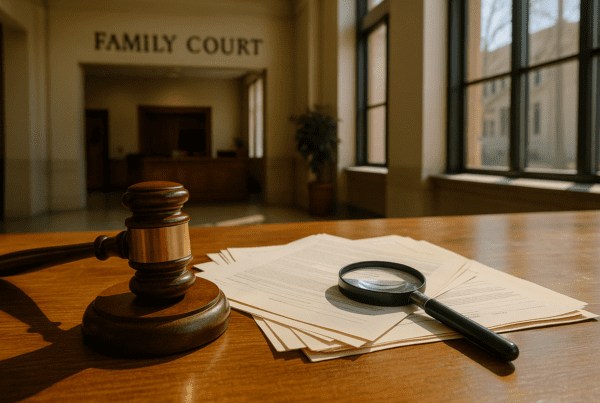
Legal disputes involving family relationships often call for clear evidence of connections, whether about custody, inheritance claims, or identity verification. Public records have quietly become a crucial resource in these cases, providing an official trail that helps courts and involved parties navigate complex family webs. This growing reliance points to the evolving role of accessible, verifiable documentation when personal histories intersect with legal demands.
The shifting landscape of proof in family law
In the past, establishing family relationships in court sometimes depended heavily on testimony, affidavits, or less formal evidence. Memories, personal stories, and sometimes contradictory accounts could cloud proceedings where parentage, sibling status, or kinship lines were under question. Now, public records often act as anchors – offering clear, date-stamped verification of births, marriages, divorces, and adoptions. These records reduce some ambiguity and offer judges a more grounded basis for decisions.
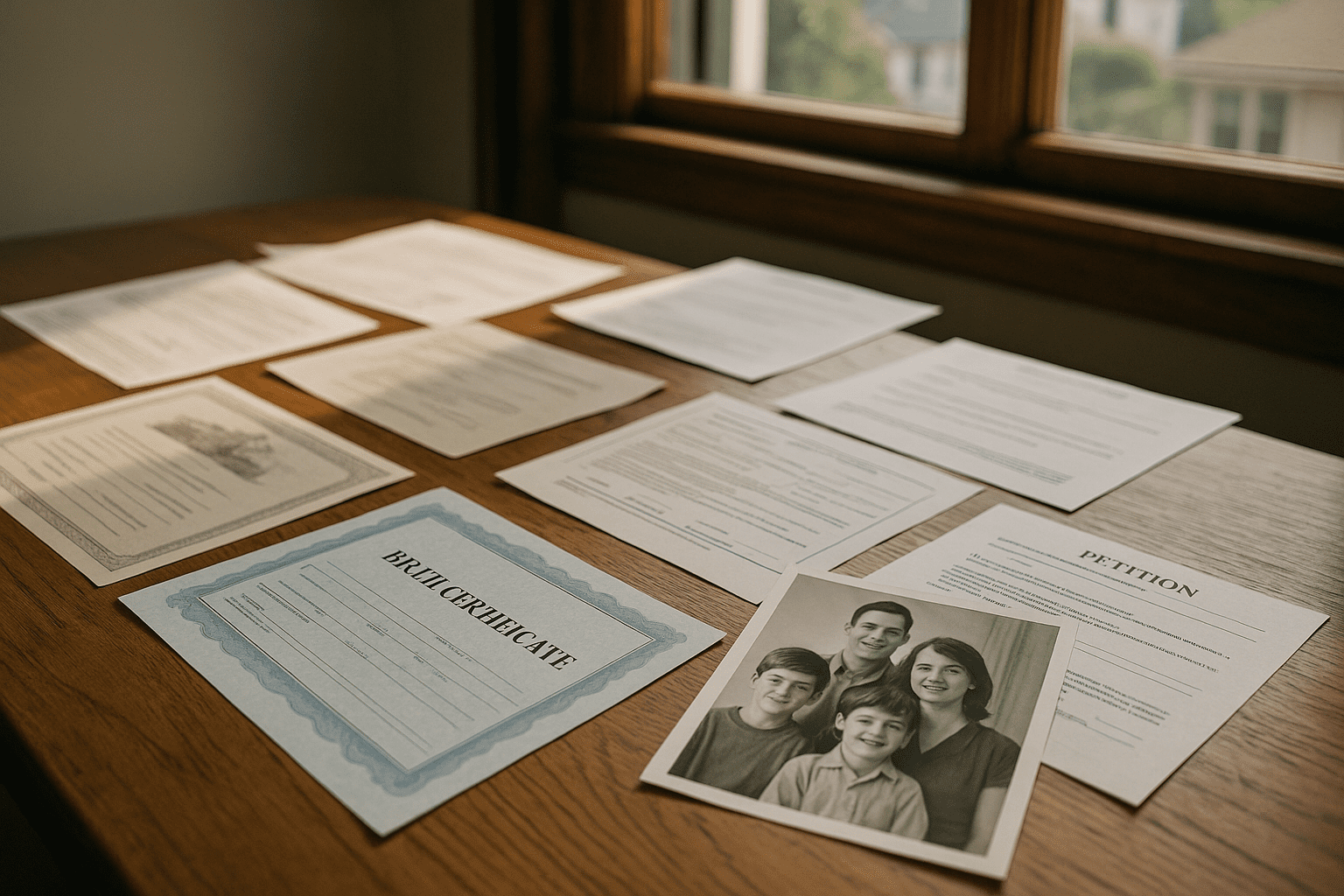
While birth certificates remain the cornerstone for proving identity and relation, other documents like marriage licenses or court orders also fill gaps. For example, probate court papers or guardianship agreements may settle questions about who legally represents or inherits from someone. This accumulation of official records paints a digital and paper trail that can clarify family structures in ways previously unavailable outside of personal testimony.
When public data illuminates blurred family ties
Modern family arrangements often defy traditional definitions. Blended families, step-relationships, and complex guardianships complicate legal proceedings. Public records, combined thoughtfully, begin to reveal these nuanced ties. Marriage amendments, name change certificates, and adoption papers all contribute data points that help courts make sense of nontraditional relationships.
Consider custody disputes involving stepchildren or extended family members seeking visitation rights. In some cases, evidence like address histories linked to public record databases can support claims about living situation and ongoing family contact. This kind of data layering is increasingly common as courts recognize the need for multifaceted proof beyond simple parent-child documentation.
Yet access to comprehensive records depends on jurisdictional rules and privacy protections. The availability of certain records online or through government offices varies widely, meaning that the effort to gather such documentation can be uneven. Still, the trend shows a steady shift toward expecting more concrete, verifiable evidence in family matters than in decades past.
Documentation shaping the outcomes of inheritance and guardianship
Inheritance disputes often hinge on proving the decedent’s familial connections and legal heirs in the absence of clear wills. Public records like death certificates, marriage documents, and prior court rulings become key references. These records help establish lineage and the right to inherit property or assume guardianship over minors or incapacitated adults.
The probate process, which involves validating wills or handling intestate succession, increasingly relies on meticulous record-keeping. Executors and attorneys gather birth records, prior divorce decrees, and even historical census data to confirm rightful claimants. This process illustrates how public records not only support legal clarity but also connect present-day disputes to documented history.
Challenges and considerations in relying on public records
Despite their growing use, public records are not flawless. Errors, outdated information, and inconsistencies remain challenges. Sometimes records contain misspelled names, incorrect dates, or lack details due to lost paperwork or incomplete filing systems. This means legal professionals must cross-check multiple sources and consider the broader context rather than rely on single documents in isolation.
Confidentiality considerations also come into play, especially concerning sensitive family legal matters. Privacy laws may restrict access to certain records, requiring formal requests or court orders. These procedures preserve individual privacy but add complexity when records are essential for resolving disputes. Understanding these nuances is part of the evolving use of public records in legal cases.
Additionally, as modern technology facilitates access to these documents online, the risk of misinformation or improperly sourced data grows. Careful verification remains crucial, as courts expect authenticated evidence rather than loosely compiled information from unvetted internet sources.
What these trends mean for families and legal systems
The increasing integration of public records into family law reflects both practical and cultural shifts. Families today often confront more complicated structures and histories than ever before. Legal systems respond by leaning on tangible records as neutral evidence, helping to mediate differences rooted in personal memory or contested accounts.
For those navigating custody disputes, adoption proceedings, or inheritance questions, this trend underscores the importance of accurate record-keeping and timely documentation. It also reveals how public data, when accessible and reliable, can empower individuals in legal processes that deeply affect their lives.
On the judicial side, having standardized, official documentation simplifies fact-finding and can speed resolutions. It may reduce the subjective element in family disputes, helping courts focus on legal rights rather than conflicting narratives. However, the human complexity of family will always demand thoughtful consideration beyond just the paper trail.
As public records remain foundational in confirming family relations for legal purposes, their role is likely to deepen. Understanding the strengths and limitations of these records offers valuable perspective for anyone involved in or studying family law.
For those seeking to verify family connections, resources like government vital records offices and reputable public record databases provide essential starting points. Sites like USA.gov’s birth certificates page explain how to access official documents. Meanwhile, organizations such as the ACLU help clarify public record rights, especially in sensitive cases where privacy intersects with legal needs.
Ultimately, the story of family relations in law continues to unfold through records once considered mere bureaucratic formalities. Those documents now fulfill a vital, living role in defining personal histories that courts must recognize and respect.
Sources and Helpful Links
- USA.gov Birth Certificates – Official resource for obtaining birth documents and understanding their legal use
- ACLU Public Records Rights – Guidance on access to records and privacy considerations in legal contexts
- Nolo Family Law Overview – Comprehensive information on family law and legal procedures
- CDC’s Women and Their Babies Program – Insights into birth recordkeeping and vital statistics in the US