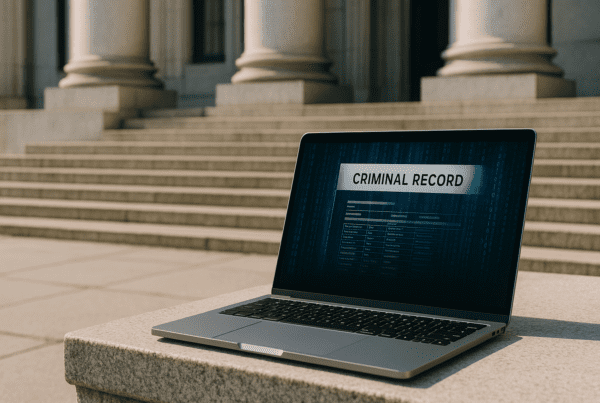
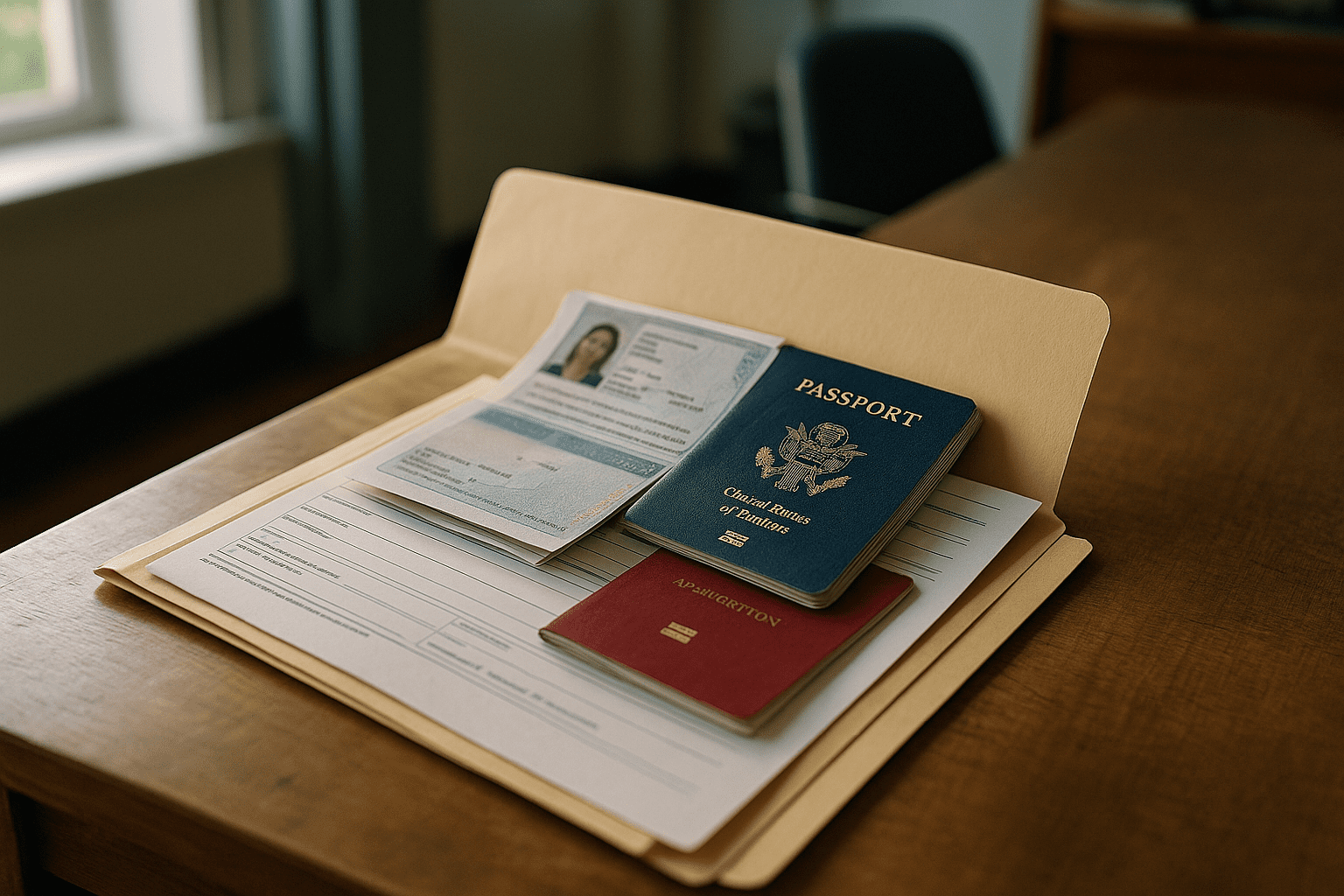
When diving into public records to confirm someone’s immigration status, the reality is often more complicated than it might seem. These records bring a treasure trove of information, but their reliability depends on a mix of factors – from how they’re collected and maintained, to what legal frameworks govern their availability.
The patchwork nature of immigration data in public records
Immigration-related data is scattered across a variety of databases, each with different levels of accessibility and update schedules. For instance, government entities like the U.S. Citizenship and Immigration Services (USCIS) hold records that are authoritative but rarely fully open to the public due to privacy and legal restrictions. On the other hand, some public records sources such as court documents, certain employment verification records, or local government records might indirectly reveal immigration-related status, but they are rarely definitive.
This fragmented landscape means that anyone relying solely on public records needs to understand that absence of information does not imply status clearance. The data available in public records often reflects past snapshots and may not capture recent changes such as visa renewals, status adjustments, or deportation proceedings.
The challenge in verifying authenticity and timeliness
Public records come with different update frequencies. Vital records like birth certificates or marriage licenses are generally well-maintained and considered reliable for establishing identity connections, which may indirectly support immigration inquiries. However, immigration status confirms eligibility and current standing-something far less straightforward to glean.
Watchlists, employment eligibility verifications, and other government-maintained indexes can shift quickly, but the publicly accessible data often trails real-time developments. Delays or incomplete updates in public data lead to situations where records may reflect outdated or inaccurate immigration status, complicating decisions that depend on up-to-date information.
Legal frameworks shaping what public records can reveal
Federal and state laws strongly influence which immigration details appear in public records. Privacy laws, including the Privacy Act of 1974 and Immigration and Nationality Act provisions, restrict release of personally identifiable immigration information. This means many of the most reliable immigration records are officially off-limits to public consumers.
At the same time, some courts publish case files involving immigration matters, like asylum hearings or removal proceedings, which can provide insight but only into select circumstances. Access to these court filings can vary by jurisdiction and sometimes require navigating complex procedures.
Understanding this legal backdrop helps explain why many third-party platforms offering immigration status checks must rely on secondary public data or user-supplied information, which introduces layers of uncertainty.
How indirect clues from public data can support immigration assessments
While direct immigration status records may be scarce publicly, related data from property records, employment history, and contact information databases can paint contextual pictures. For instance, sustained employment or presence in certain regions may suggest a stable immigration status. Conversely, frequent address changes or gaps in employment records might raise questions.
But these signals come with caveats – they do not confirm status but rather suggest patterns that someone experienced in public records might interpret cautiously alongside other evidence. Such evaluations require combining data points thoughtfully to avoid jumping to conclusions based on partial records.
One example is looking at court records. Publicly accessible documents on local or federal court websites might reveal immigration cases, though they rarely provide final verdicts or comprehensive status data. They serve better as supplementary information than confirmation tools.
When professional verification becomes necessary
For decisions that hinge critically on immigration status, such as employment compliance under the Immigration Reform and Control Act or eligibility for governmental benefits, relying solely on public records is usually insufficient. Specialized background checks and direct queries through authorized government channels provide stronger validity.
Verification services, including those that use data from the E-Verify system or certified legal channels, tap into more authoritative records. Yet, these are constrained by privacy laws and the requirement for legal permissions. They tend to be limited to employers and governmental agencies, not general public access.
Recognizing the human elements behind the records
People move across borders in complex ways. Records can lag behind, missing recent changes in status or nuances like pending applications or humanitarian protections. Erroneous records, clerical mistakes, or identity theft may also distort publicly accessible information, affecting how reliable the record appears.
Patience and context matter. Often, the story behind the records requires deeper digging or professional help. Observing trends and anomalies in public records can signal where to look closer and when to seek corroboration from official authorities.
Public records remain a critical resource for preliminary immigration status considerations but their use demands careful interpretation. Recognizing the limits of what these records can confirm protects against misjudgments and acknowledges the complexity of migration systems and record-keeping.
For those needing to confirm immigration status, combining public records exploration with professional verification offers a clearer, more reliable picture. Understanding where public data shines and where it fades contributes to smarter, more grounded decisions.
More detailed insights into public record use and immigration-related data sharing can be found through government portals and privacy advocacy sites, which provide ongoing updates on access and limitations.
Transparency, legal boundaries, and data accuracy remain at the heart of evaluating immigration status through public records today.
Sources and Helpful Links
- USCIS Official Website – Authoritative source on citizenship and immigration services.
- Ninth Circuit Court – Example of federal court records involving immigration cases.
- Electronic Privacy Information Center – Resources on privacy, including immigration data.
- E-Verify Program – Information on government employment eligibility verification system.