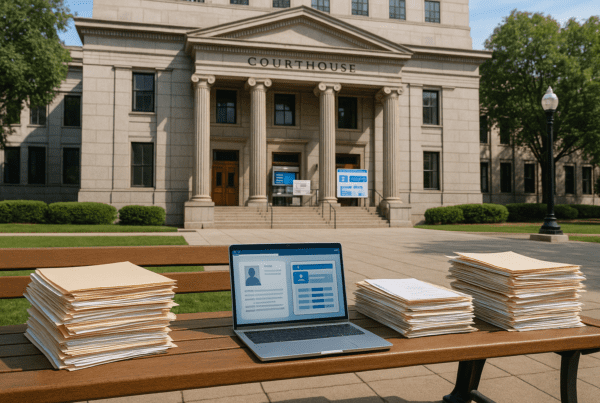

Vital records have always served as a backbone for understanding personal histories, tracing family connections, and verifying identities. Birth certificates, death certificates, marriage licenses, and divorce decrees form foundational documents accessed by genealogists, legal professionals, journalists, and curious individuals alike. Yet, recent changes in state laws across the country are quietly reshaping who can see these documents and under what conditions.
Balancing Privacy Concerns with Public Access
It feels like the legal landscape around vital records is caught between two competing demands. On one hand, states are increasingly aware of privacy concerns. These records often hold sensitive information such as full names of parents, dates and places of birth, and sometimes even social security numbers or medical details. Such data could be misused if broadly accessible. On the other hand, vital records represent public data critical for research, identity verification, and even reopening cold cases for law enforcement. In response, many states have revised statutes that adjust the rules for who qualifies as an eligible requester and what information they may obtain.
For example, some newly enacted laws raise access barriers for non-family members seeking birth certificates. They may require notarized statements, proof of direct lineage, or valid legal interest to obtain certified copies. Others place longer embargoes on the release of certain details to protect living individuals’ privacy. This can lead to delays or outright denials for people pursued family history research or needing verification documents for background checks. It reflects a broader cultural trend toward stricter personal data control, pushing official records toward guarded access rather than open public availability.
The Patchwork of State Rules Creates Uneven Access
Unlike a federal standard, vital records laws remain squarely under state jurisdiction. This results in a patchwork of regulations where neighboring states may offer widely different access levels for the same types of documents. Take marriage records, for instance. In some states, marriage licenses are easy to obtain by any interested party, often available online through official registries. Meanwhile, nearby states may limit searches to only the couple named on the document or their direct descendants. These disparities complicate cross-state people search and can frustrate those trying to piece together full family narratives.
Furthermore, some states have begun compiling new registries or databases with enhanced digitization and verification controls. While this helps modernize access and reduce fraud, it sometimes paradoxically narrows who can view records versus old paper-based systems where clerks might have been more lenient. The transition to digital platforms raises questions about data security as well. Some states add authentication layers, ensuring that online requests originate from verified users, which again impacts access speed and availability.
This patchwork nature means anyone using vital records must stay current on evolving legal restrictions and platform requirements for each state involved. Websites like the CDC’s Vital Records Registry provide useful summaries, but the depth of rules still demands vigilant review for precise eligibility.
Implications for People Search and Public Records Research
These legal shifts have noticeable effects on people search domains. For those verifying identities, validating background information, or reconnecting with lost family, the more restrictive access can slow investigations or close off official confirmation paths. Professional background screening companies and private investigators often rely on quick, authoritative vital records access to confirm life events and familial ties. Delays or refusals compel them to seek alternative sources or turn to indirect methods such as newspaper archives, social media, or public court filings.
At the same time, increasingly protective laws may reduce the risk of identity theft or harassment stemming from exposed personal data in vital records. This is a positive development from a privacy standpoint but might push some inquiries into higher-cost paid services or more complex legal channels. For researchers and genealogists, it sometimes calls for creative maneuvers like utilizing surrogate records, such as census data or city directories, to bypass direct restrictions on birth or death certificates.
The mix of openness and control around vital records illustrates the tension between transparency and privacy in American public records culture today. It also highlights how people search is less a static process and more an adaptive one, responding to changes in law as much as technology.
Watching the Legal Landscape Continue to Evolve
Looking ahead, the evolving nature of vital records laws suggests this will remain a fluid space to watch. Advocacy groups focused on privacy rights push for even more stringent regulations to minimize personal data exposure, while historical societies and public interest researchers call for broader access to maintain accountability and preserve heritage. Legislative committees occasionally consider bills that either tighten or loosen access requirements based on shifting social priorities or emerging threats like cybercrime.
For individuals navigating this environment, the takeaway is clear: understanding access to vital records means paying attention not just to the paper on file but the legal framework directing who can see that paper and why. Staying informed through official government sites or reputable legal reviews helps in anticipating hurdles and preparing alternative approaches when records appear out of reach.
People search is a window onto identity that depends as much on laws as on data itself, reflecting society’s ongoing negotiation about privacy, history, and truth.
For those looking to explore current policies in detail, checking state government and health department portals provides the most reliable and updated information on access rules. The Library of Congress offers an overview of state laws that provides useful context on the variety of requirements across the country (Library of Congress – Vital Records Laws). Similarly, organizations like the National Center for Health Statistics provide foundational data on the management and legal status of vital records (NCHS Vital Statistics) which also inform public accessibility policies.
In all, these changes reinforce that vital records access is not simply a matter of public repositories welcoming inquiry. Instead, it is an evolving dialogue among lawmakers, data stewards, and the public forming the contours of how identity and history meet privacy and control.
What This Means for Everyday Users
The new wave of laws demands patience and adaptability from everyone wanting vital records for personal or professional reasons. It calls for planning ahead, understanding specific state conditions, and sometimes securing legal or genealogical assistance to navigate complexities. People search becomes less a matter of clicking and more an exercise in researching legal nuances and finding permissible pathways.
While the restrictions may seem frustrating, they also show a maturing approach to balancing the openness of public records with protecting individuals’ rights. In that sense, these adjustments represent a real-world example of how data privacy considerations are increasingly shaping our access to fundamental historical documents.
Those interested in exploring more about vital records access and the latest legislative changes can start with resources like the National Archives for historical government documents or the Nolo legal encyclopedia which summarizes state-by-state public records access laws in plain language. These sources offer practical insights to help users navigate both tradition and transformation in vital record accessibility.
Closing Observations on Access and Identity
The intersection of new state laws with vital records access is a quietly significant story about how identity documents are evolving beyond mere papers. They reflect broader cultural shifts about privacy, control, and the accessibility of our personal histories. For anyone invested in people search, it is a reminder that these legal frameworks shape not only what we can find but how we understand the contours of identity itself.
Observing this landscape over time reveals the intricate dance between public access and private protection that defines the modern information age. Whether for reconnecting family ties or verifying a name, vital records remain vital. But that vitality now comes with new layers of consideration, responsibility, and legal complexity shaping the future of personal data.
Sources and Helpful Links
- CDC Vital Records Registry A helpful resource summarizing state vital records offices and their rules.
- Library of Congress – Vital Records Laws An overview of state laws governing vital records access across the US.
- National Center for Health Statistics – Vital Statistics Foundational data and legal context for vital records management.
- Nolo – State Vital Records Laws A plain language guide to access laws in different states.
- National Archives A wide resource offering government records and archival research support.