There is a quiet evolution happening in public records related to how contact information appears and what it reveals about our real-world connections. As traditional listings of phone numbers and email addresses share space with social media handles, instant messaging usernames, and other unconventional identifiers, public records databases scramble to capture and present these signals in ways that feel sensible and useful.
Tapping Into Conversations Beyond Numbers and Letters
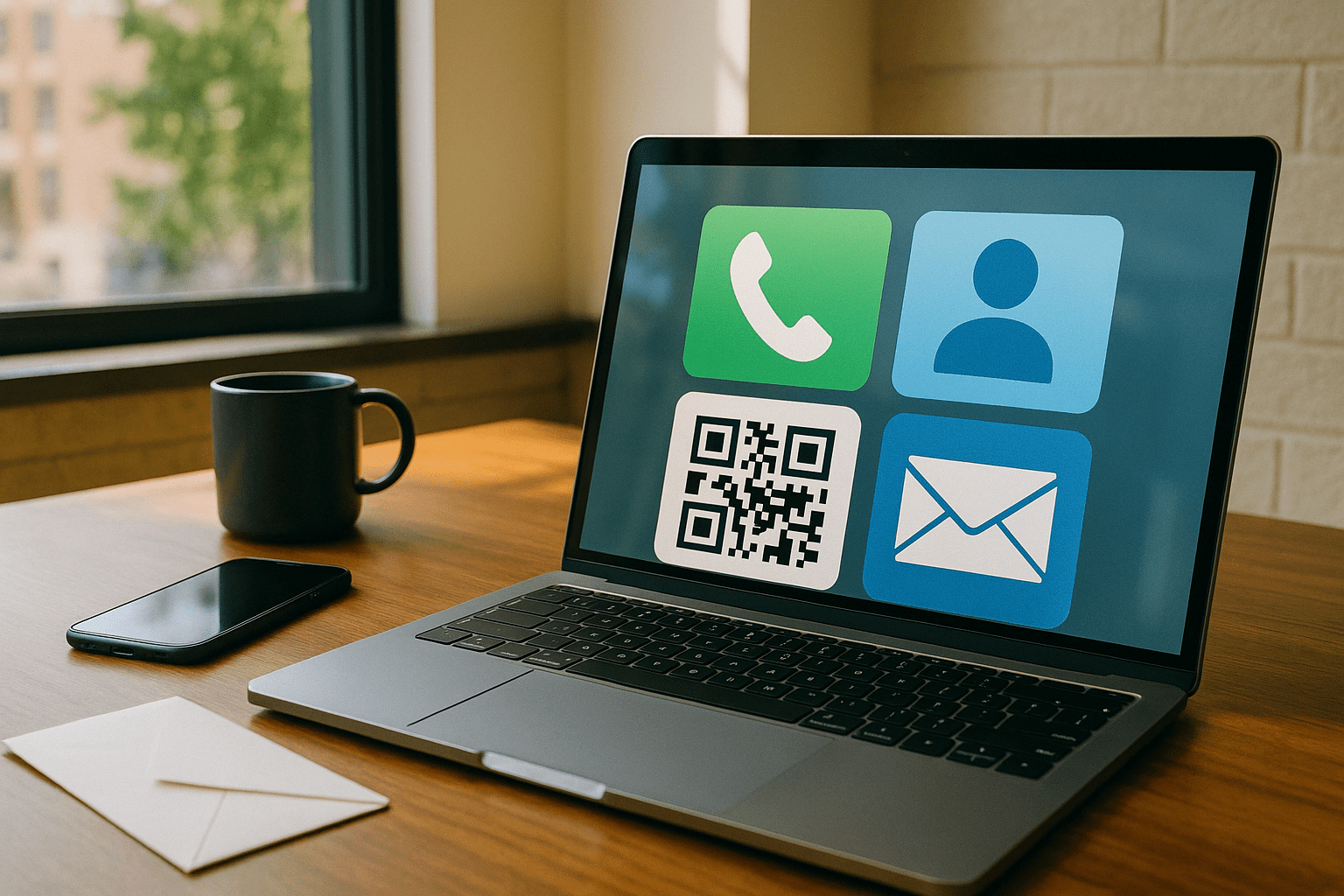
Long ago, a phone number or an email used to be the core signal for reaching someone. Phone books were a staple, and later on, digital contact lists largely mirrored those. Now, many people rely on WhatsApp, Instagram, Telegram, or other platforms where usernames replace the conventional digits or standardized email schemas.
This shift highlights a subtle but important change for public records. They are no longer just repositories of static data. Instead, they must adapt to the reality that a person’s contact information might be a handle on multiple platforms, and those platforms evolve or fade in popularity. This liveliness of identity data means a record showing just a phone number might miss a significant slice of how someone truly stays connected.
Authorities and data aggregators have responded differently to this challenge. Some systems include fields for social media profiles or instant messaging contacts, often scraped or submitted voluntarily. These additions offer clues about a person’s online presence but also introduce challenges of verification and privacy. A handle is easy to change or abandon, unlike phone numbers that require confirmations through telecommunication providers.
When Address History Meets Modern Contact Patterns
A related observation comes from address histories included in many public record systems. Moving beyond a postal address as just a physical location, these histories provide context about where a person lived during certain periods and how to tie together disparate records. Remarkably, some datasets are beginning to explore how modern communication methods intersect with geography.
For example, someone might provide a location from which they primarily engage through social apps, or they may associate a phone number from a completely different region. This kind of detail, while still emerging as a pattern in public records, reflects how identity and contact do not always align neatly with a physical domicile anymore. Instead, they show fluid connections across locations and platforms.
Connections between addresses and nontraditional contact data can aid background research, lending nuance to people searches where recent city moves might otherwise confuse the trail. The complexity about where contact information ‘belongs’ makes the task of verifying identities and connections more layered but also richer when the records incorporate diverse signals well.
Privacy Sensitivities and the Limits of Public Access
With an expansion into varied contact forms, awareness has grown about managing privacy and consent around such data. Public records historically included phone numbers and addresses that were once printed freely in directories, but the rise of digital footprints demands new conversations. Users expect more discretion, and record holders recognize that sharing sensitive or personally identifiable contact data demands care.
This has resulted in tighter regulations and classification layers in public records systems, where some contact details may be flagged as restricted or available only under specific conditions. It also means that the presence of a social media handle in a record might link indirectly to a public profile, but it will rarely allow direct access to private interactions or messages tied to that contact.
Therefore, the proliferation of nontraditional contact information is not without boundaries. As regulations like the GDPR in Europe and various national privacy laws influence data handling, public records systems must strike balance between accessibility and privacy protection. This sometimes means certain aspects of contact data might be excluded or obscured to respect individual rights.
Finding Patterns in the Data Landscape
Looking across datasets, investigators and researchers can spot shifting patterns in what contact information is most persistent or reliable in public records. Phone numbers remain a core element but often coexist alongside one or more digital profiles or instant messaging handles. Email addresses too have persisted but sometimes give way to ephemeral or disposable variants used during online signups.
These trends illustrate how identity and contact are becoming multimodal, combining traditional static points with dynamic digital identifiers that may wax and wane over time. Public record aggregators are tuning their algorithms to weigh these factors differently depending on context. For example, a background check might give stronger weight to phone numbers verified by carriers, while a people search might highlight linked social profiles for broader connection hints.
This evolving data landscape requires careful interpretation. The presence of a social media handle or an app username can enrich understanding but also introduces ambiguity. It requires knowing what kinds of contacts signal authenticity, stability, or just momentary digital traces.
As this field continues to evolve, those who rely on public records for meaningful people insights will need to stay aware of how these nontraditional contact methods are woven into the data fabric. Each signal adds dimension but also needs context for interpretation.
Overall, the reality emerging from public records is that contact information now travels far beyond telephone digits or email strings. It slips through platforms, geographies, and privacy frameworks, reflecting a broader shift in how people connect in the modern world.
For those curious about identity or seeking to reconnect, this means approaching public records with an understanding that contacts are layered and sometimes fleeting, but they reveal a richer, more intricate picture of human connection than ever before.
For deeper insights or to explore recent changes in public records handling, resources such as USA.gov’s public records overview provide useful context. Privacy aspects and data protection regulations are well summarized by the International Association of Privacy Professionals. Meanwhile, technology trends impacting identity and contact data appear in reports by organizations like the National Institute of Standards and Technology.