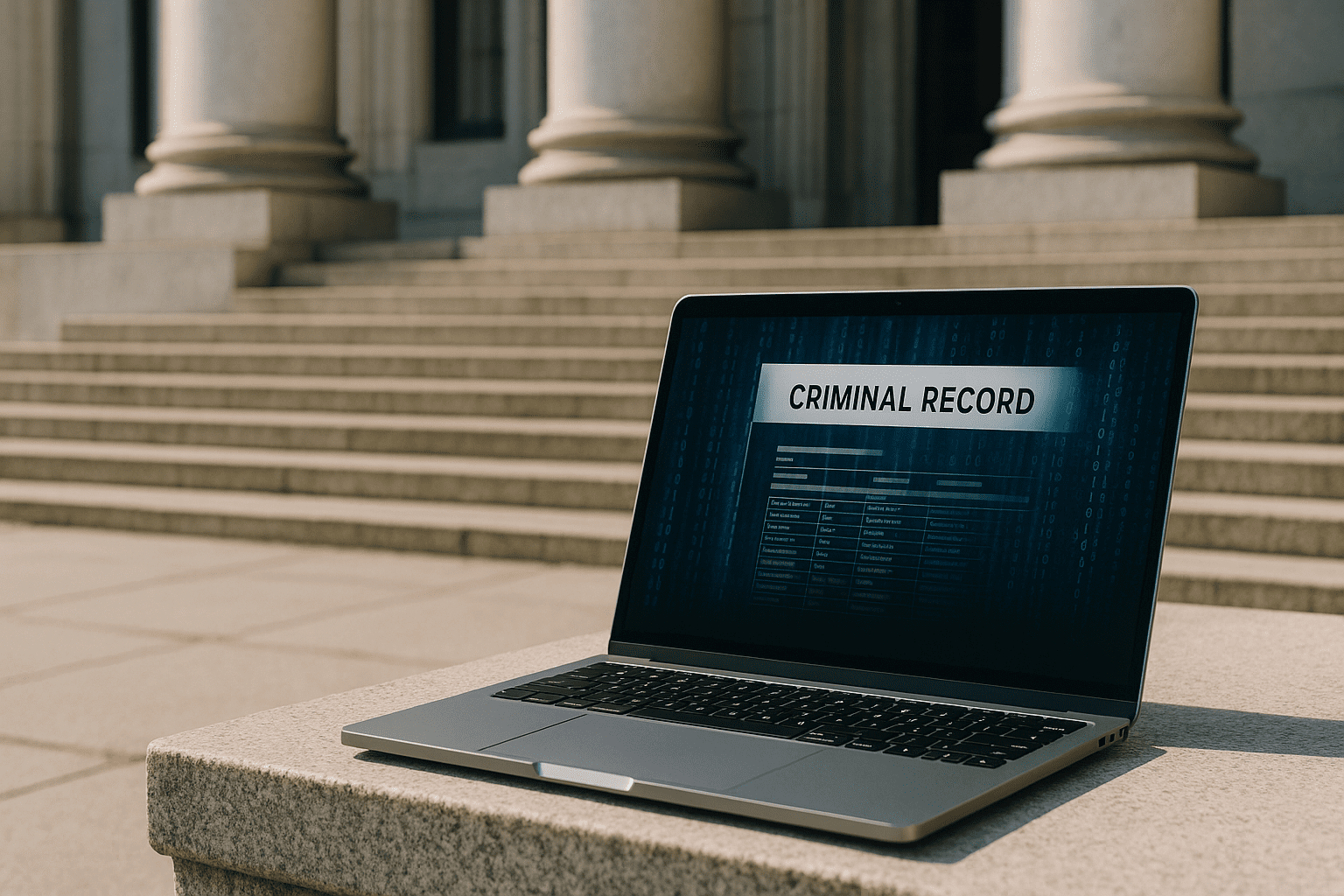
For decades, criminal records were confined to physical files and local archives, often accessible only through government offices or law enforcement agencies. The transition from paper to digital formats has reshaped not only how these records are stored but also the extent to which they are visible to the public. This change involves complex layers including technology infrastructure, legal frameworks, and social expectations around privacy.
The gradual move from physical to digital archives
Early attempts to digitize criminal justice data began in the latter part of the 20th century, primarily to improve case management and information sharing within agencies. Over time, however, the technology evolved, allowing for more comprehensive databases to be created. These databases started to integrate information such as arrest records, court filings, and sentencing details into centralized repositories accessible by authorized users.
This consolidation of records made administrative processes more efficient but also laid groundwork for broader public access. Increasingly, criminal record information has become available online through various platforms, some maintained by government entities and others by private companies.
State-level adoption of digital criminal record systems varies widely. Some states have developed public-facing portals providing direct access to certain records, while others limit availability to vetted users or require formal requests. The patchwork of systems means the digital footprint of a person’s criminal history can differ substantially depending on jurisdiction.
How public visibility surges with online availability
Digitization removes many of the physical and bureaucratic barriers that once limited who could view criminal records. With an internet connection, anyone can potentially discover information that previously required in-person visits and paperwork. This shift has helped promote transparency and accountability, allowing journalists, researchers, employers, and individuals to gather facts about criminal cases quickly.
On the other hand, the ease of access also contributes to heightened public visibility for those with criminal records. The permanence and replicability of digital data mean that once information is online, it can be copied, shared, and indexed indefinitely. This can pose challenges for individuals attempting to move past prior convictions or arrests.
Moreover, search engines and data brokers have incorporated criminal record information into profiles that aggregate multiple public and private data sources. These profiles sometimes offer snapshots that do not capture the context or nuances behind charges or case outcomes. Users seeking information may encounter outdated or incomplete records, which can affect perceptions and decisions.
Privacy tensions and the limits of public record access
The deeper digital exposure of criminal records inevitably raises privacy concerns. Courts and legislators have grappled with balancing public interest in safety and accountability against rights to privacy and rehabilitation. Some jurisdictions have enacted laws that restrict access to certain records, such as those for juvenile offenses or convictions that have been expunged or sealed.
Expungement and record sealing come with their own complications in the digital age. Even when records are officially removed from government databases, copies or extracts may persist on third-party websites or in archived systems. This creates ongoing challenges for individuals seeking to clear their histories from public view. The fluidity between public records, private databases, and digital archives complicates the control over one’s personal information.
In recent years, calls for reform have increased attention on these issues. Legal experts and advocacy groups emphasize the need for clearer guidelines and technological solutions that safeguard privacy while allowing legitimate access to criminal history information.
Technological innovation reshaping record access and control
The technological landscape itself is evolving to address some of the concerns that arise with digitized criminal records. Some initiatives focus on improving data accuracy, ensuring that records are up to date and reflect case outcomes accurately. Others explore encryption, access controls, and user authentication to tighten who can view sensitive information.
Emerging discussions also consider how blockchain or decentralized ledger technology might offer new models for managing personal data with greater transparency and individual control. While these ideas remain largely conceptual in criminal justice contexts, they point to a future where digitization might better balance openness and privacy.
Meanwhile, data literacy among users becomes more critical. Understanding what information is public, how it is sourced, and what it actually means can help people navigate this complex environment without exaggerating risks or overlooking rights.
The broader social impacts beyond data access
The digitization of criminal records also influences social dynamics in unexpected ways. Employers rely increasingly on digital background checks as part of hiring processes, heightening the importance of accurate and fair record management. At the same time, digital exposure can deepen stigma, making reintegration more difficult for individuals with criminal histories.
Communities and policymakers face the challenge of crafting systems that support safety and fairness while recognizing the human consequences of digital transparency. Public dialogue around these topics remains ongoing as technology and laws evolve.
Observing these trends, it becomes clear the story of digitized criminal records is both about technical change and about the shifting ways society values privacy, second chances, and accountability. The record itself is not static but exists within a web of legal, social, and digital forces that continue to shape its meaning and impact.
For those curious about exploring public criminal records or understanding how this domain works today, resources such as Bureau of Justice Statistics, state government portals, and privacy-focused organizations provide gateways to reliable and current information. These platforms reflect the ongoing evolution of public records management in the digital era.
Each update in digitization adds new layers to visibility and control, demanding attention from users and policymakers alike to ensure a just balance is maintained.
Sources and Helpful Links
- Bureau of Justice Statistics – Comprehensive data and reports on criminal justice including record systems
- USA.gov Public Records – Official guide to accessing various types of public records including criminal histories
- American Civil Liberties Union – Privacy issues and legal perspectives on digital records and surveillance
- PrivacyTools.io – Resources on data privacy and user rights in digital information environments