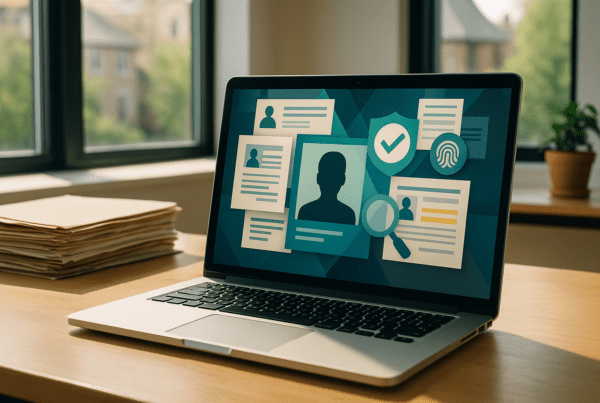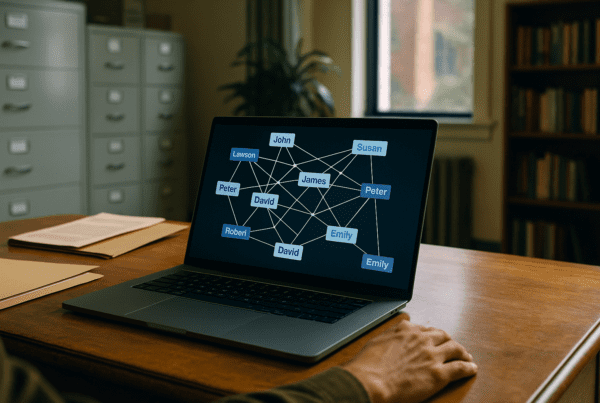
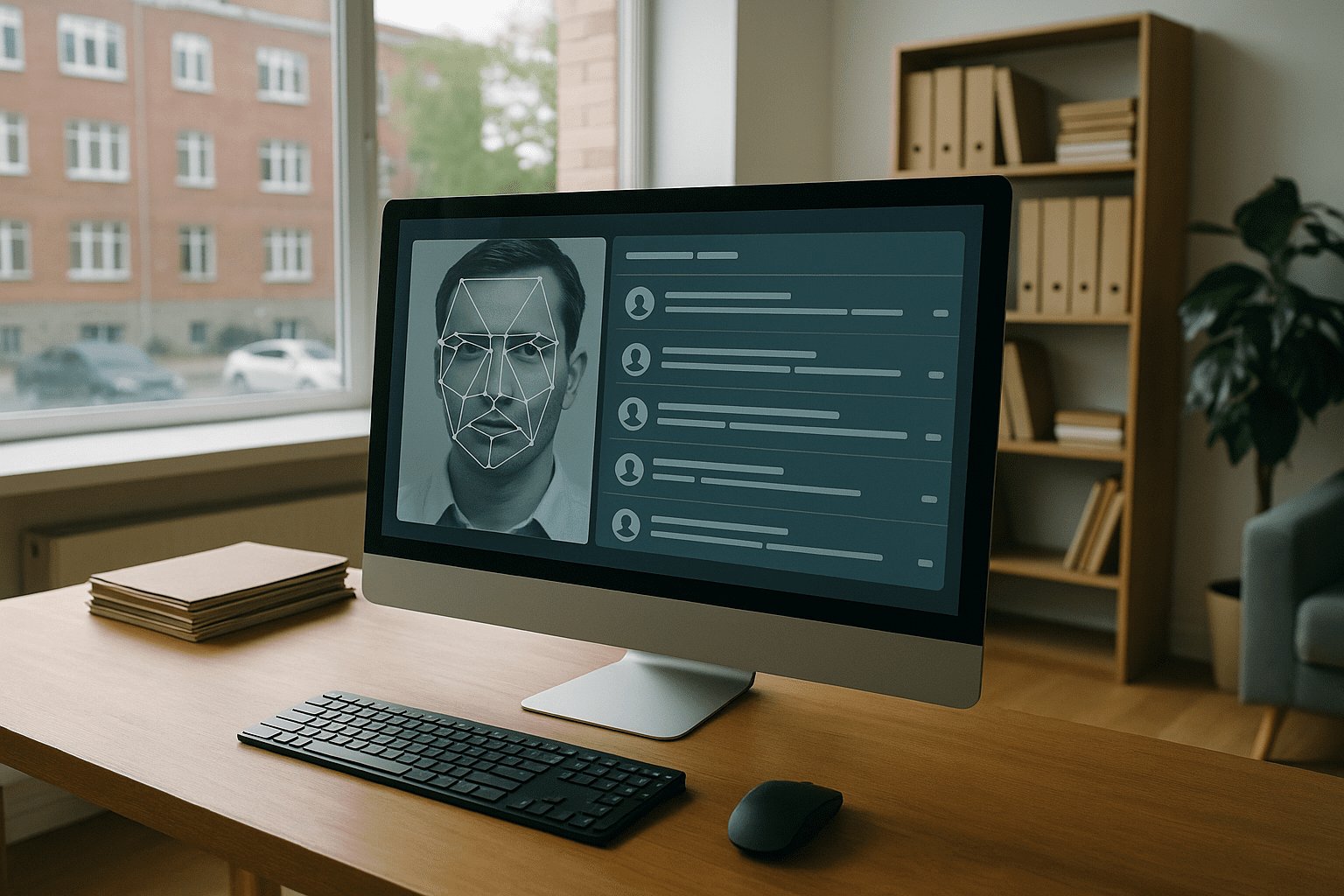
In recent years, the overlap between public records and biometric data has become a notable element in digital identity frameworks. This junction reveals much about how identity is constructed and verified in a world increasingly driven by digital means. People encounter these intersections through daily interactions, often without realizing how varied data types combine behind the scenes to shape their digital footprints.
When Fingerprints Meet File Cabinets
Public records have traditionally been static documents from government agencies or institutions, chronicling events like birth, marriage, property ownership, or criminal history. Every detail in these records plays a part in defining identity legally and practically. Biometric data, however, emerged as a more dynamic and inherently personal layer-features such as fingerprints, facial recognition, iris scans, or voiceprints are unique biological identifiers.
Bringing them together can be illuminating. For example, a law enforcement database might link a fingerprint taken at a crime scene to a public record showing previous offenses or residency details. This combination adds a dimension of verification beyond just names or dates, anchoring identity to something physically unique. Yet, there is a tension here between utility and the risks of combining sensitive biological information with accessible public records.
The Expansion of Surveillance and Verification Tools
Governments and private entities now routinely tap into both public records and biometric data to confirm identities for various purposes: border security, voting systems, financial transactions, or access to services. The layering means that identity verification is less about relying solely on documentation and more about cross-checking across data types.
In India, for instance, the Aadhaar system links biometric data and demographic information for over a billion people, creating a massive identity database designed for streamlined access to government services. Cases around the world show how the adoption of biometrics alongside traditional records can increase efficiency but may simultaneously raise privacy and security concerns, particularly as databases grow and interconnect.
Privacy Trade-Offs and Data Lifecycle Challenges
The growing interplay of public records and biometric data invites scrutiny on several fronts, foremost among them privacy. While public records are often open or semi-open by design, biometric data introduces a deeply personal dimension that many consider more sensitive. The risks tied to unauthorized sharing, data breaches, or surveillance expand as these types of data merge.
Another layer lies in the lifecycle management of this combined data. Once biometric data is tied to public records, controlling access or updating inaccuracies becomes more complex. Errors in public records, if linked to biometric profiles, might be harder to correct, potentially leading to misidentification. Similarly, questions arise about how long this combined data should be stored and who oversees its stewardship.
Legal landscapes attempt to address these concerns with varying success. In the United States, laws like the Illinois Biometric Information Privacy Act (BIPA) set standards for biometric data collection and use, but harmonizing these rules with public records management remains an ongoing discussion.
Patterns That Shape Digital Identity Realities
Observing the convergence between public records and biometric data reveals patterns about how society manages identity at scale. The trend moves away from simple document-based identity proofs toward multi-layered digital identities that promise stronger authentication but demand more careful oversight. These patterns resonate in sectors such as healthcare, where biometric data helps match patient records securely, or banking, where layered verification combats fraud.
Nevertheless, real-world applications often expose gaps between ideal practices and actual outcomes. Data accuracy, inclusivity (considering populations less likely to be represented in biometric databases), and transparency around data use continue to challenge the system. It underlines that identity, while seemingly straightforward, involves constant negotiation between technology, policy, and lived experience.
For individuals, this means that their digital identities may carry traces well beyond simple public records, embedded in biological markers and interconnected databases. Understanding the depth and reach of these identity signals helps frame ongoing debates about privacy, fairness, and control over personal data.
The Continuing Dialogue Between Openness and Security
The balance between accessibility of public records and the protective nature of biometric data will likely remain a dynamic area for years to come. As technology evolves, so do the methods for linking, storing, and verifying identity information. These evolutions are not just technical challenges but touch deeply on trust and the social contract between citizens and institutions.
Keeping sight of historical and contemporary contexts aids in appreciating why this interplay matters. People searching for connections, governments verifying citizenship, and companies ensuring secure access all intersect where public records and biometric data meet. Watching how this relationship continues to unfold offers insights into the future shape of identity itself.
The journey is ongoing, with new policies, technologies, and societal attitudes gradually forming the next chapters of digital identity.
More detailed explorations on how legal frameworks handle biometric data can be found on sites like the National Conference of State Legislatures. For broader views on identity verification technologies, resources like the IDEMIA identity verification page provide explanations grounded in current industry practice. Meanwhile, government portals such as the USA.gov public records overview show how traditional data remains foundational in identity work.
Each of these domains contributes bits of understanding to an evolving picture of how public records and biometric data assemble together in the fabric of modern digital identity.
Sources and Helpful Links
- National Conference of State Legislatures overview of biometric privacy laws across U.S. states
- IDEMIA’s identity verification explanations, detailing current biometric and document verification technologies
- USA.gov public records information, offering a foundation on government records for identity purposes