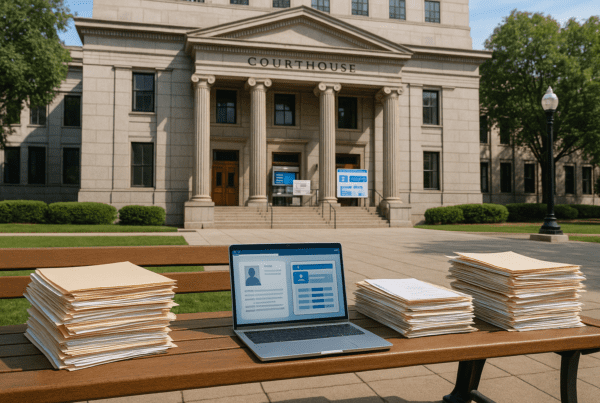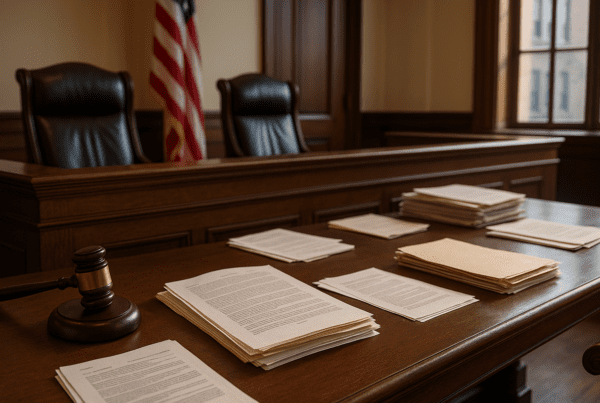
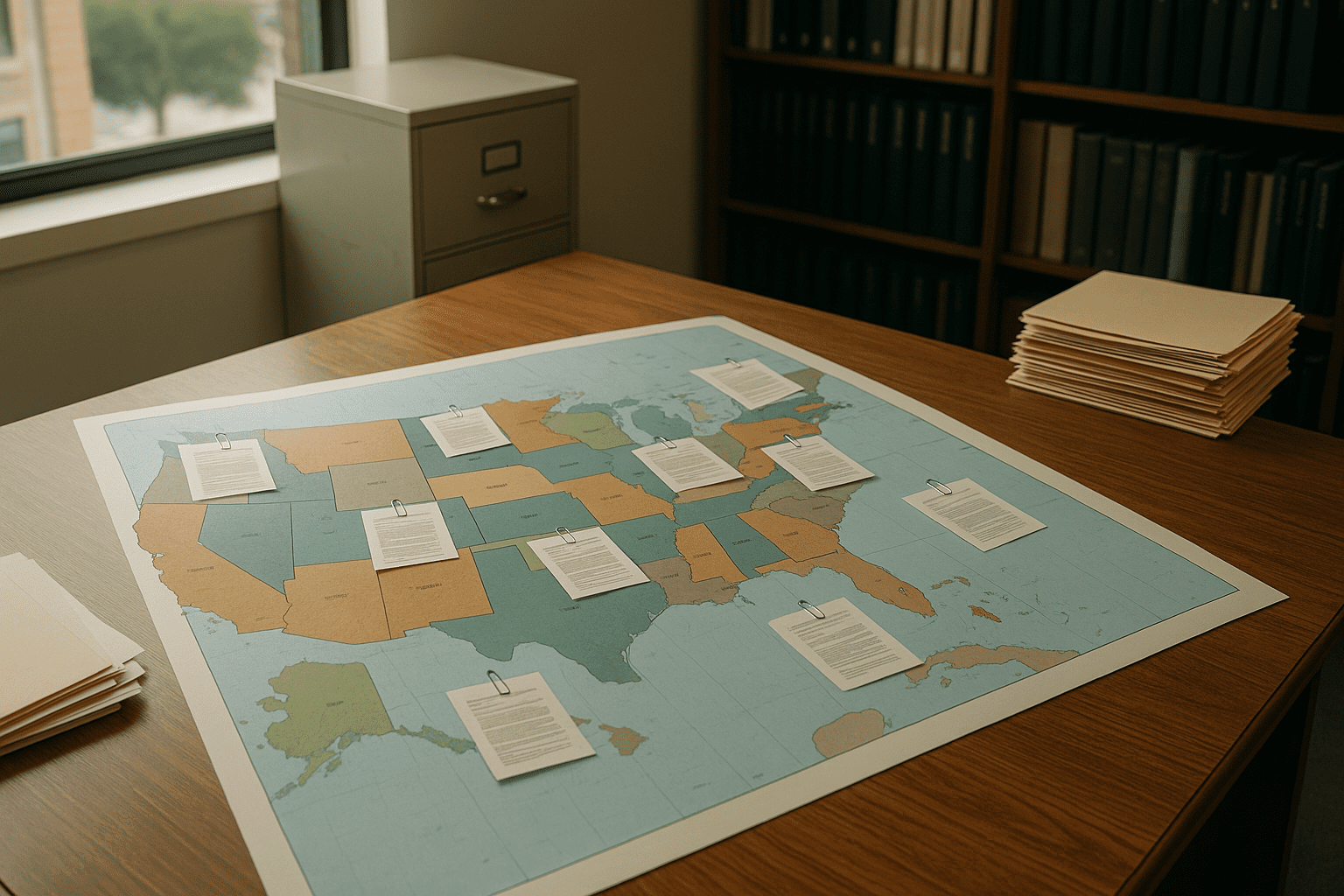
Trying to navigate public records across the United States reveals an entangled reality shaped by the country’s federal system, where each state controls its own rules and procedures for maintaining and granting access to these documents. This patchwork is more than a matter of legal formality. It shapes how individuals, businesses, and researchers engage with public information. The variations influence what can be accessed, how it is accessed, and how reliable or complete the information might be.
A landscape shaped by local control and historical layers
The U.S. federal structure leaves a vast degree of autonomy to states, which means that public records are not just stored in different systems but also governed by a broad spectrum of laws that reflect history, local culture, and political priorities. Some states embrace transparency and make public records readily available online, with minimal fees or complex procedures. Others impose restrictions or fees that can slow down or segment access.
For example, a birth certificate or court record in one state might be accessible online within minutes. In another state, the same document might require mailing a formal request, paying fees, or even visiting a government office in person. These differences are often not accidental but stem from differing balances struck between privacy, security, and transparency concerns by state legislatures and agencies.
Differences extend beyond access into definitions and classifications
One deeply confusing aspect is how states sometimes define or classify the same types of information differently. What counts as a public record in one jurisdiction might be restricted elsewhere. This fragmentation complicates not only citizens’ ability to retrieve records but also how third parties verify identity, conduct background checks, or research genealogies.
Take criminal records as an example. Some states maintain centralized databases that encompass the entire criminal history of individuals within the state, including arrests, charges, and convictions. Others separate these records by county or district, without a unified system. Similarly, the availability of expunged or sealed records varies, affecting whether an individual’s digital footprint can be erased or remains visible.
Digital transformation has added new gaps and opportunities
Modern technology has boosted the availability of public records in many places, but it also highlights and sometimes widens the gaps created by the differing policies and resources of states. States that invest in digital infrastructure and clear online portals have created smoother pathways for data retrieval. Yet those still operating largely on paper or limited online systems continue to slow down public access and reduce transparency.
The COVID-19 pandemic further exposed disparities as many government offices moved to remote work and reduced in-person services. States with well-developed digital portals managed to maintain access more effectively than those without such infrastructure.
Impact on individuals and businesses looking for consistent data
This fragmentation is not just a bureaucratic obstacle. It affects real-world use cases in identity verification, tenant screening, employment checks, and reconnecting with family. A landlord or employer dealing with candidates who have records in multiple states faces a complex maze of systems, fees, and rules. This slows down processes and can lead to inaccuracies if data is inaccessible or outdated.
The variation can also complicate legal compliance or investigative work by attorneys, journalists, or researchers. Because information might be partially restricted or formatted differently across states, ensuring comprehensive checks requires piecing together data from multiple sources, often through separate requests.
For example, debt and tax lien records might be available online in one state but are only accessible via specialized repositories or archives in another, increasing costs and time involved. Such fragmentation calls for patience and knowledge of local practices to obtain a full picture.
The role of federal and nonprofit initiatives in bridging gaps
While states retain control, some collaborative efforts aim to harmonize or ease access. Federal agencies have occasionally released guidelines or standard formats for recordkeeping and disclosure practices. Some nonprofits and advocacy groups work to promote transparency and develop centralized databases or APIs that pull from multiple jurisdictions.
However, significant legal and political hurdles remain. Privacy laws, data ownership concerns, and budget constraints often limit how much state governments are willing or able to integrate their records systems. The risk of data breaches or misuse also leads some states to maintain tighter controls.
The very nature of public records as state-controlled means fragmentation is likely to persist as a defining feature for the foreseeable future. Awareness of these differences and patient navigation remain key for anyone relying on publicly available data.
For those interested in the regulatory details governing public records access, resources like the National Conference of State Legislatures’ overview of state public records laws provide thorough insights. Similarly, the U.S. Department of Justice’s Office of Privacy and Civil Liberties occasionally publishes guidelines and research on balancing transparency and privacy.
For practical research or verification, platforms aggregating public records often note the patchwork nature of the data they gather, reflecting state-by-state variability in what is available, when, and how. PersonZoom’s help resources offer contextual explanations for how this fragmentation appears in real-world people searches.
Ultimately, public records accessibility in the U.S. is a mosaic shaped by centuries of legal traditions, technological evolution, and ongoing debates about privacy rights and openness. The resulting complexity requires steady attention to detail and a respect for local rules, even as efforts continue to make information more usable across state lines.
We live with the challenges and nuances of this system, finding ways to connect the dots and assemble coherent pictures where the raw data spans diverse jurisdictions and approaches. Understanding the landscape is the first step toward engaging with it effectively.
Sources and Helpful Links
- National Conference of State Legislatures on public records laws, a comprehensive resource on how transparency laws vary across states
- U.S. Department of Justice Office of Privacy and Civil Liberties, offering federal guidance balancing privacy and transparency
- PersonZoom Help Resources, clarifying how public records fragmentation affects people search efforts
- National Archives and Records Administration, for federal and some state public records insight and access
- USA.gov, the federal government’s hub for accessing public records and government information