Public property records often act as quiet witnesses to the changing face of cities. When you sift through the sales, permits, and ownership documents made available to the public, patterns emerge that tell a much deeper story about urban development than a simple market snapshot. Over recent years, these records reveal shifts not only in activity levels but also in the types of properties that attract investment and the pace at which urban landscapes evolve.
When Property Records Reflect More Than Transactions
At a glance, a property record might look like little more than a formal note of ownership or a brief description of a plot. Yet, when aggregated over months or years, the data becomes a lens showing the changing economic and social currents at play. This is evident in how neighborhoods once quiet can suddenly see a surge in permits for renovations or new builds, suggesting a wave of redevelopment or gentrification.
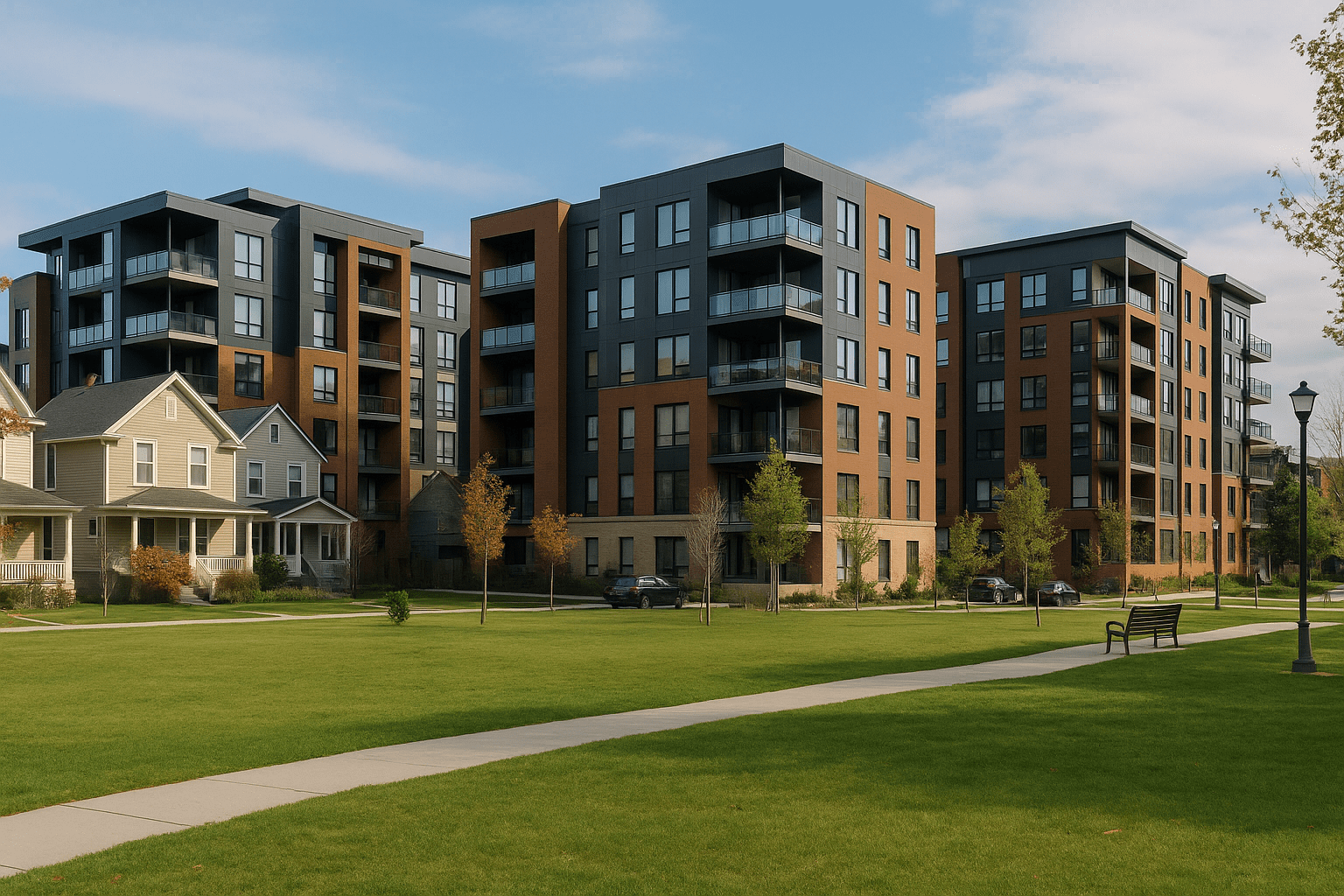
The rise of mixed-use developments, combining residential, retail, and office spaces, also marks a trend easily traced in these records. Such projects reflect modern urban planning philosophies aiming to reduce commute times and encourage community interactions. The legal documents linked to these properties often hold clues about zoning changes and shifting priorities within city administrations.
Shifting Dynamics in Suburban and Urban Areas
One striking trend visible through property data is the evolving interplay between city centers and their surrounding suburbs. While urban cores were for decades the main arena for major new developments, recent records indicate increased attention turning towards suburbs. This shift may be tied to remote work practices altering where people choose to live or simply changes in real estate affordability and demand.
Permits for multi-family units and affordable housing projects cropping up more in suburban counties suggest attempts to address housing shortages outside traditional city limits. Meanwhile, older urban neighborhoods may show more activity in property flips and renovations, hinting at a dual movement of preservation and modernization occurring simultaneously in many metro areas.
The Subtle Role of Vacancy and Land Use Changes
Property records reveal not just new construction but also shifts in how existing spaces are used. A growing trend involves reclassifying properties from commercial or industrial to residential, reflecting economic transformations and changing demand. Vacant properties documented in records may start appearing with new permits pushing redevelopment, which can indicate urban revitalization efforts underway.
At the same time, some areas show increasing vacancy rates, which public records can flag through longer periods without ownership changes or renewed permits. These patterns sometimes align with economic stress or shifts in local industries, adding texture to the urban story beyond mere construction booms.
Interpreting the Impact of Legislative and Economic Factors
Property records do not stand in isolation from policy and economic contexts. Changes in zoning laws, property taxes, and incentives for sustainable building practices often show up indirectly in the types of developments recorded. An uptick in green construction permits or adaptive reuse projects, for example, can signal a city’s response to climate action goals or resource constraints.
National and local economic cycles also influence activity levels observable in property transactions and permit filings. For instance, economic downturns typically slow new property development but may increase sales of distressed properties. Careful examination of the timing and nature of recorded property transactions against broader economic indicators allows a richer understanding of the forces shaping urban growth.
More recently, shifts in government policies such as rent control measures or inclusionary zoning requirements are making their mark in public records, where permit activity might slow or change in character due to these regulations. This interplay of market forces and regulation plays out over years and can often be traced in changes to ownership patterns and development approvals.
What This Means for Community and Future Planning
The information embedded in public property records, combined with demographic and economic data, helps paint a nuanced picture of evolving communities. Residents, planners, and policymakers can use these insights to anticipate challenges such as overcrowding, infrastructure strain, or the need for green spaces.
Real estate investment trends visible in records help predict where services and amenities might follow, influencing how urban and suburban spaces are shaped. That knowledge contributes to crafting better strategies for inclusive and sustainable development, considering who benefits from redevelopment and how neighborhoods retain their character amid change.
Modern data tools have made accessing and interpreting property records easier than before, opening possibilities for more informed engagement with urban development trends. While these documents remain largely administrative at their core, the stories they collectively tell are invaluable for understanding the complex dance of city growth and transformation.
For those curious to explore more on the topic, several reliable resources, like government land registry portals and city planning departments, offer databases and reports that shine additional light on urban development dynamics.
Keeping an eye on these trends through public property records offers a grounded way to track how our built environments continually respond to shifting human needs and societal priorities.
Sources and Helpful Links
- U.S. Census Bureau – American Housing Survey, providing data on housing conditions and trends across urban and suburban areas
- U.S. Department of Housing and Urban Development, offering resources on housing policies, development programs, and urban planning initiatives
- American Planning Association, sharing research and publications on community planning and zoning
- National Association of Land Professionals, featuring insights on property records, land use change, and real estate trends