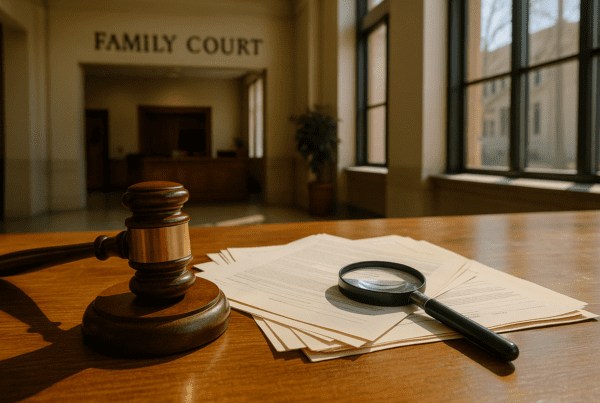
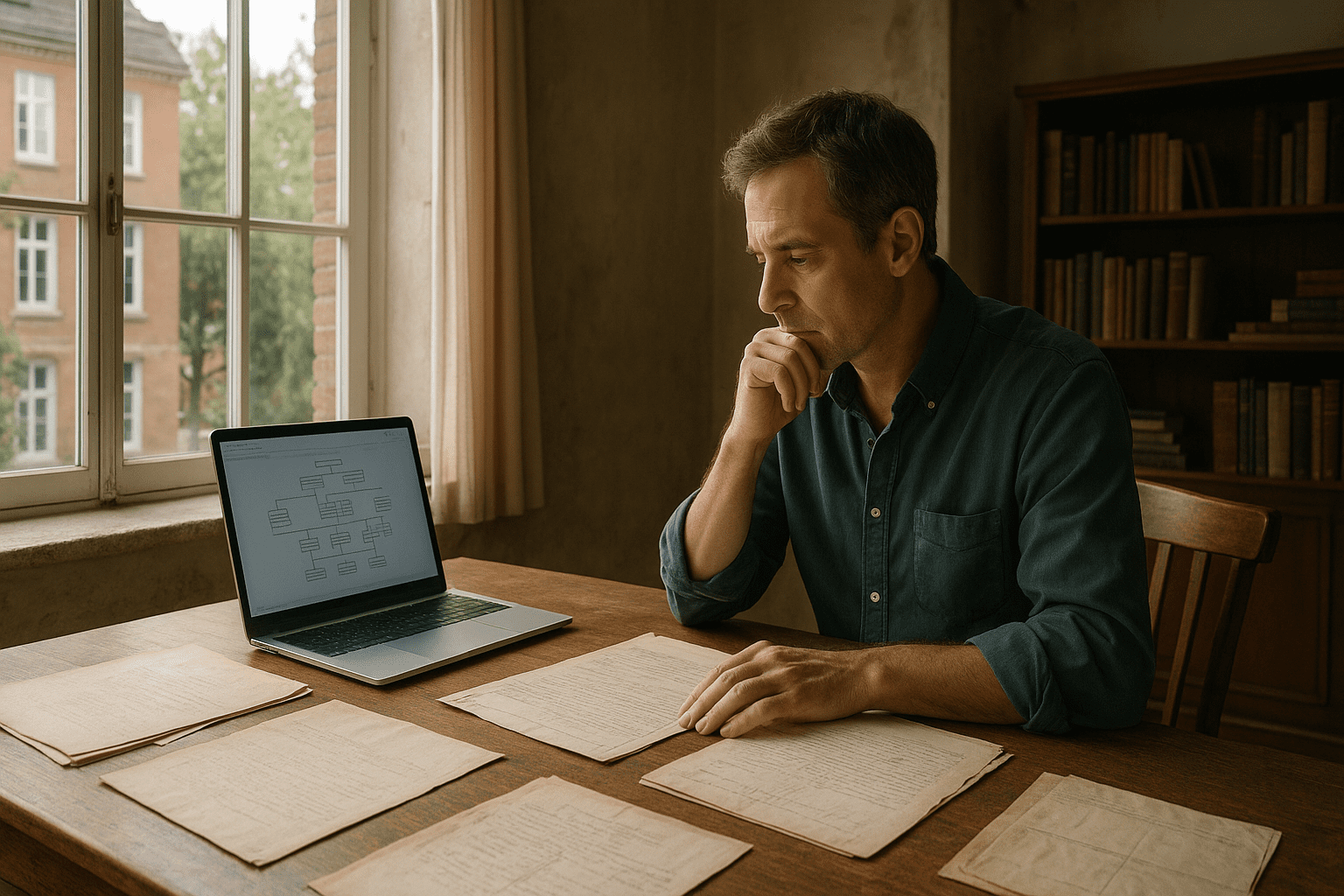
Exploring family histories has always depended heavily on access to public records. These accessible documents form the backbone of genealogical research, helping to trace ancestors, verify details, and build richer narratives of lineage. But lately, the landscape of public data has been shifting in ways that subtly reshape how these investigations unfold.
Patterns in Policy and Privacy That Influence Data Access
Public records have traditionally meant government-maintained information: birth and death certificates, marriage licenses, court records, property deeds, and census data. Over time, the digitization of many of these documents made it easier for genealogists to search remotely, turning what once could be a months-long process into an online inquiry lasting minutes or hours.
However, concerns around privacy and security have nudged many jurisdictions to rethink the ease of access. Some states or countries are tightening rules, limiting which records are available online or under certain conditions. This means routine searches for names or dates might encounter more hoops than before. For example, younger birth records or adoption details may now require proof of relation or purpose to be released.
These shifts arise partly due to growing awareness of misuse risks. Public records accessed for genealogical purposes can also be exploited for identity theft or discrimination if not handled carefully. As a result, government agencies balance transparency with protection, leading to more nuanced access policies that researchers need to understand.
The Layered Effects on Building Family Trees
For those piecing together family trees, the varying availability of records creates a patchwork research environment. While older records remain relatively open, newer datasets might be partially concealed or require formal applications and fees. This divergence means that the completeness of a family history can depend heavily on location and the era of interest.
One clear consequence is the increased value of intermediary services and platforms that aggregate public data with private collections, user contributions, and collaboration tools. Sites like FamilySearch, Ancestry, or MyHeritage try to bridge the gaps left by record restrictions, combining what is publicly accessible with user-generated context. Yet these combine different standards of reliability and sometimes raise questions about permissions and data practices themselves.
The challenge is not just about finding names and dates but about verifying connections, identifying consistent narratives, and respecting the sensitivities involved, especially when records relate to living or recently deceased individuals.
New Resources and Restrictions Both Shape the Research Experience
Despite restrictions, technology is also opening doors. Advances in digitization projects continue to uncover forgotten corners of local archives or church registries that were previously inaccessible except by on-site visits. Machine learning and optical character recognition improve the searchability of handwritten documents, easing one of genealogy’s enduring frustrations.
At the same time, the interplay between open data advocates and privacy-minded regulators creates a dynamic tension. As explained by the National Archives and Records Administration, some records once considered public are increasingly evaluated for sensitivity, leading to more redactions or delayed releases in some cases (source: archives.gov).
Meanwhile, genealogical historians are called upon to approach research thoughtfully, balancing the desire to uncover family stories with the privacy rights of those involved. The Ethics Guidelines of the Board for Certification of Genealogists offer detailed suggestions on when and how to handle sensitive information responsibly (source: bcgcertification.org).
Understanding Public Records as Part of a Complex Ecosystem
The recent changes reflect a broader reality that public records are not static and that access involves stakeholders with varying interests. For example, local governments face budgetary pressures that affect how much digitization and indexing they can support. Privacy laws like the General Data Protection Regulation (GDPR) in Europe influence practices far beyond their borders, prompting globally available databases to adjust policies.
Researchers who want to dig deeply into family histories may find themselves juggling multiple sources of truth: official records, oral histories, social media footprints, and even DNA data. Each has strengths and caveats. DNA testing, for example, adds a science-based complement but comes with its own privacy and consent questions.
In U.S. contexts, the National Center for Health Statistics outlines how long different vital records remain confidential, helping genealogists plan when to look or request documents legally and ethically.
Ultimately, as access to public records evolves, those investigating family histories must adapt to a changing landscape-one where patience, respect for privacy, and savvy use of both traditional and modern sources work together to tell stories that matter.
What remains consistent is the enduring value of public records as a foundation for family research. They provide verifiable anchors around which histories come to life, even as the ways these records are managed and accessed evolve over time.
For anyone tracing their roots, staying informed about public records access policies and exploring multiple resources is becoming more important than ever. The path may no longer be straightforward, but the journey still reveals the remarkable connections that link generations.
Those wanting to keep up with how public records access changes might consider checking updates from official government archives often and following privacy regulations relevant to their region. This approach helps navigate the interplay between openness and protection that defines genealogical research today.
Alongside public and private resources, genealogists benefit from being part of communities that share techniques and data responsibly. Ethically minded groups and forums often highlight new developments or workaround approaches that respect current rules while expanding research possibilities.
In the end, the evolving public records scene illustrates that family history research is not only about past discoveries but also about adapting practices to present realities. Each record accessed carefully and thoughtfully contributes to a living family story.
Sources and Helpful Links
- National Archives and Records Administration government archives and guidance on records access policies
- Board for Certification of Genealogists ethical guidelines and standards for genealogical research
- National Center for Health Statistics information on vital record confidentiality periods in the U.S.
- FamilySearch a free genealogy platform offering access to public records and collections
- Ancestry commercial genealogy service aggregating public and private data for family research