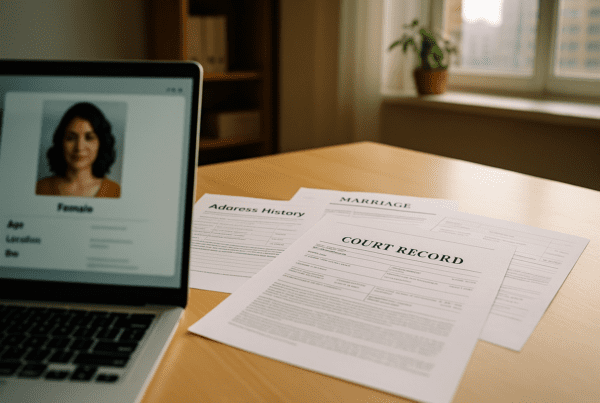
Online dating has become woven into the fabric of modern social life and, with millions turning to digital platforms to meet potential partners, the question of verifying identities online has only grown more acute. Verification processes serve as a vital layer helping users separate genuine profiles from those that are misleading or fraudulent.
Verification as a Promise of Safety and Trust
Verification in the online dating world aims at more than just confirming a person’s identity. It functions as a signal of trustworthiness, sometimes hinting at a platform’s commitment to user safety. For years, simple methods like linking a profile to social media or confirming email addresses sufficed for many users. But as fraudsters got more sophisticated, and as the stakes of meeting strangers rose, platforms sought stronger ways to certify who was behind each profile.
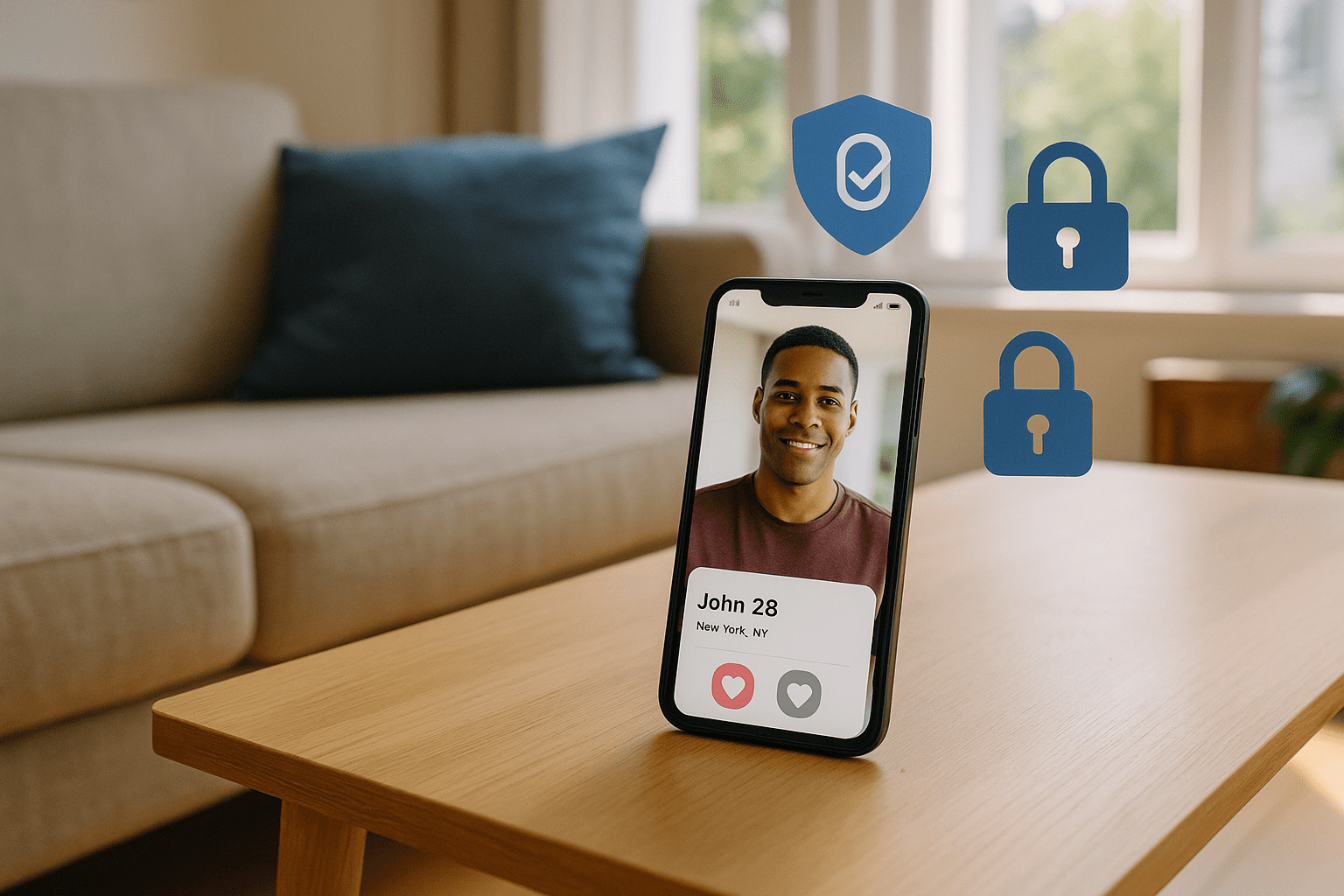
These stronger methods often include verifying phone numbers, requiring government-issued ID, or even facial recognition technology. The intent is to create barriers against fake accounts and profiles used for scams or deceptive purposes. Users, in turn, appreciate visible badges and marks that tell them a profile has passed certain checks.
Privacy Evolves, Verification Faces New Headwinds
Yet, all these efforts come at a complicated time when privacy concerns are reshaping technology and regulation. New laws and user expectations encourage platforms to limit the amount of personal information collected and shared, making traditional verification approaches more challenging.
Innovations like Apple’s App Tracking Transparency require explicit user consent before their data can be tracked across apps and websites. This limits the ability of platforms to glean a comprehensive digital footprint for identity confidence. On the regulatory front, frameworks such as Europe’s General Data Protection Regulation (GDPR) place strict obligations on how personal data can be gathered, stored, and processed, affecting verification workflows.
In an effort to respect privacy, some platforms have also moved toward verification methods that reduce storing sensitive personal data, shifting the process directly to user devices or third-party services specialized in privacy-preserving verification. This reduced data handling lowers risks but introduces new dynamics about control and transparency for both platforms and users.
The Trade-Offs Between Privacy and Verification Rigor
This evolving privacy landscape nudges online dating platforms into balancing safeguards with usability and compliance. Some verification features may be scaled back, simplified, or made optional to meet privacy standards and avoid alienating privacy-conscious users.
What this often means in practice is users face a spectrum of verification options with varying degrees of assurance. A user choosing minimal verification can enjoy more privacy but might also find it harder to gain full trust from potential matches or to access certain platform features. Conversely, submitting official documents or biometric scans provides a higher badge of authenticity, though it carries increased privacy considerations.
Platforms also wrestle with the question of how much risk they want to carry. Heavier-handed verification methods tend to discourage fake profiles, but might also reduce user spontaneity or intimidate new sign-ups. Lighter approaches can boost accessibility but at the cost of inviting more dubious accounts.
Real-World Implications for Users and Platforms
At a human level, these changes have tangible consequences. For users, the shift means becoming more aware of different levels of verification and what they signify in terms of reliability. Reading about verification badges or understanding privacy labels becomes part of the dating app experience. For some, that creates a new confidence layer, while others may grow frustrated or cautious about sharing personal details even when they want to prove they are genuine.
Platforms, meanwhile, are experimenting with new trust signals that do not rely solely on traditional verification. Some integrate community-driven reporting, behavioral analysis, or reputation systems that crowdsource safety without exposing more personal data. These approaches reflect a growing reliance on real-time patterns and human input to supplement or replace heavy identity confirmation.
The industry also shows signs of collaboration with privacy advocates and regulators to shape standards that allow for secure and privacy-respecting verification. The dialogue between technology, law, and user expectations is ongoing and likely to shape dating apps’ evolution substantially.
In a recent overview, the Pew Research Center highlighted the tension between online safety and privacy as a key concern for dating app users, affirming that both aspects need more nuanced attention from platforms, policymakers, and users. Their data also suggests people want control over what they share while not wanting their safety compromised, a complex request in practice.
More broadly, the changing landscape invites users to consider what verification really means and how privacy is weighed in online connections. Instead of assuming all badges or verification claims mean the same thing, savvy users might find value in understanding verification methods and how they relate to privacy promises. Transparency from platforms about these processes will be crucial for users to make informed choices.
These shifts resonate beyond online dating. Similar dynamics are visible in online marketplaces, social networks, and identity services where the trade-offs between ease, privacy, and authenticity are constantly negotiated.
In sum, online dating verification stands at a crossroads where new privacy standards collide with long-standing needs for safety and trust. How platforms navigate these tensions will shape what users expect and experience in digital relationships in the years ahead.
For anyone looking to dive deeper, resources like Federal Trade Commission’s online safety guide offer practical insights into staying safe while respecting privacy. An emerging field of privacy-preserving identity solutions is also well covered on Electronic Frontier Foundation privacy topics. For the latest data on dating app usage and challenges including identity verification trends, Pew Research Center’s internet section is a reliable source.
As users become more discerning, and platforms more privacy-aware, the journey to find love online will increasingly require a blend of trust signals, technology nuance, and privacy respect that feels less like an obstacle and more like the foundation for genuine connections.
Adjusting to a nuanced reality
The digital dating world is undeniably shifting beneath our feet. Verification is no longer just a technical checkpoint but a landscape of choices shaped by privacy, user expectations, and evolving technology. The unavoidable balancing act between showing who you are and protecting personal information captures a broader cultural moment where identity is both precious and elusive online.
This environment invites us to pause and consider what trust means in a world where we meet through screens and profiles. It reminds us that technology and faith in others must work hand in hand, and that safeguarding our personal boundaries is a part of any healthy connection, virtual or real.
So, whether you are an app developer, a platform operator, or someone exploring digital dating, understanding these unfolding dynamics offers more than just a practical advantage. It reveals the complexities and possibilities of human connection in an increasingly privacy-conscious era.
Sources and Helpful Links
- Federal Trade Commission’s online safety guide, essential tips and regulations for maintaining safety in digital environments
- Electronic Frontier Foundation privacy topics, deep dives into privacy tools and advocacy
- Pew Research Center’s internet section, data and analysis on online behavior and technology trends relevant to dating and identity verification