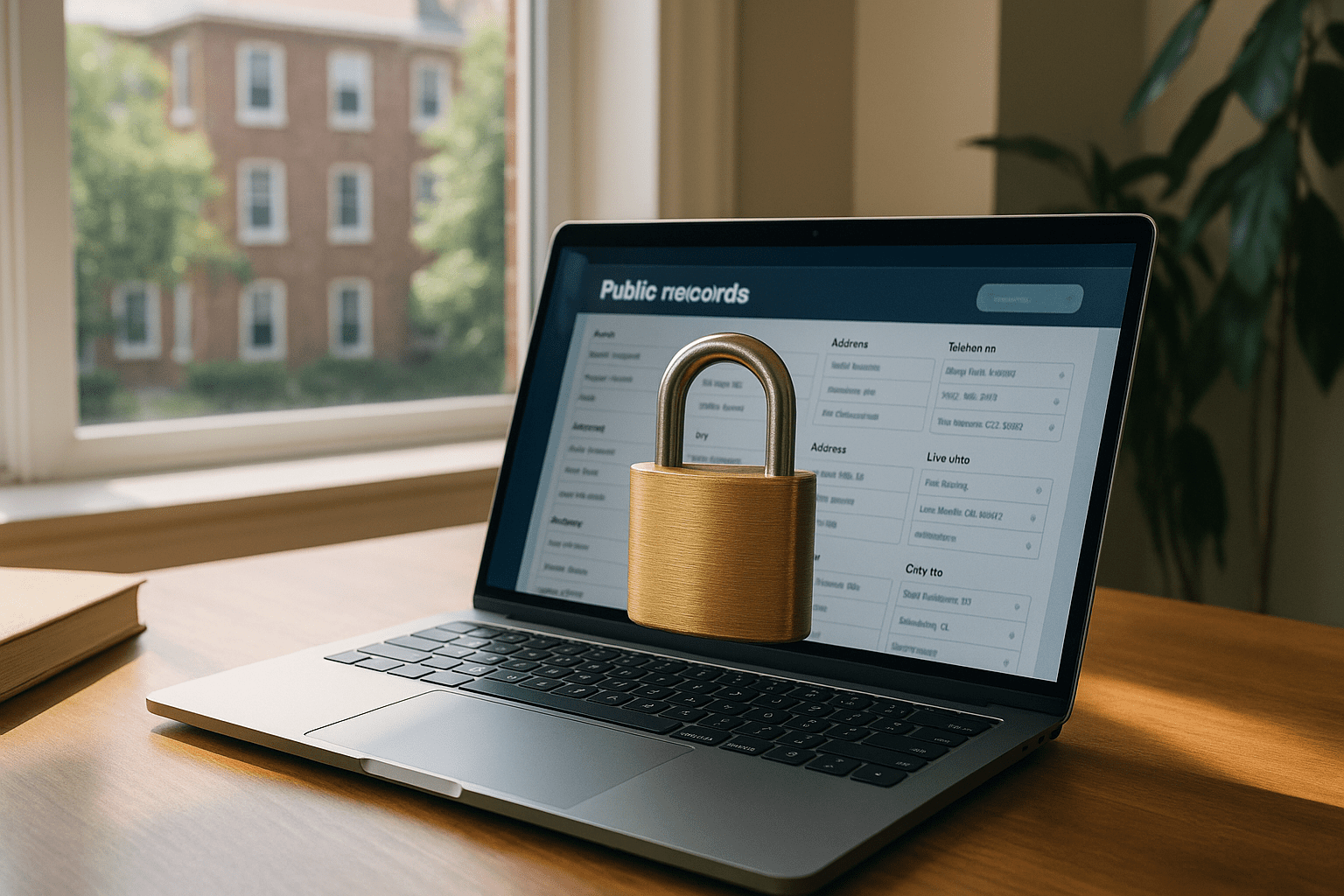
Public records have long been a key resource for understanding identities, histories, and connections among individuals. These records range from basic address histories to more detailed documents like court filings or property transactions. For years, accessing such records was straightforward using digital databases or government portals. Now, however, the rise of privacy-focused features in data platforms is adding complex layers to how public records searches work, altering usability in ways that challenge both regular users and professionals.
Shifts in access through privacy controls
Privacy concerns have steadily pushed companies and public agencies to rethink how they handle personal data. This has led to features such as consent requirements, access restrictions, masking of sensitive details, and options for individuals to remove or obscure records online. In theory, these changes empower individuals to control their digital footprints, making private data less vulnerable to misuse or exposure.
For people searching public records, the impact is clear. Information that was once universally visible may now be gated behind opt-ins or redacted to limit detail. For example, some states have introduced rules allowing residents to request the removal of certain personal data from online databases. Similarly, major platforms that aggregate public records have enhanced security by blocking automated data scraping or requiring identity verification before releasing certain records. This changing landscape pushes users to navigate more hurdles despite the records being officially public.
At Privacy Rights Clearinghouse, discussions often highlight this balance between open records and privacy protection. Still, the entrance of these privacy layers creates a usability trade-off. Users need to be both patient and savvy to find what they need within the tightened boundaries.
Unexpected usability barriers in everyday searches
Consider someone trying to reconnect with an old friend or verify background information for personal safety. Previously, a quick search through public databases might yield addresses, phone numbers, or licensing information easily. Increasingly, however, those searches return partial records or require additional steps like submitting identification or justifying the search purpose.
On the surface, this approach is more respectful of individual privacy and data rights. At the same time, it adds friction to routines that users expect to be clear and fast. One consequence is a delay in accessing accurate, up-to-date information, especially for users unfamiliar with new privacy frameworks or verification processes. This complexity can disproportionately affect those without easy access to advanced search tools or legal knowledge about public record use.
In a field report by Consumer Reports, many users expressed frustration with ambiguous data blocks or refusals of access tied to privacy controls. From a usability perspective, these barriers potentially erode trust in public record services and frustrate people who have valid reasons to access such information.
A growing role for transparency and education
As privacy becomes a central theme in public records management, transparency about how data is sourced, filtered, and presented gains importance. Users benefit when platforms clearly communicate why certain details are restricted or what legal rights govern the records they access. This transparency helps contextualize some usability challenges as necessary safeguards rather than arbitrary inconveniences.
Equally important is public education around the evolving rules and technologies that shape public records availability. Without basic understanding, users may misinterpret masked details or suspect inaccuracies. Websites and services that provide clear, plain language explanations alongside their search results help bridge this gap, reducing confusion while promoting informed data use.
The Federal Communications Commission and other agencies have started publishing guidelines for accessible and responsible data utility that reflect these concerns. Such initiatives signal a gradual shift toward systems that align privacy, legal mandates, and user needs more harmoniously.
Where usability and privacy might meet
There are emerging trends that suggest ways to ease the tension between privacy protections and user convenience. For instance, identity-verified portals that offer tiered access to public records can help users prove their intent without exposing the records broadly. Technical solutions like differential privacy and encrypted search indexes promise to protect sensitive details while maintaining search effectiveness.
Some organizations explore user-centric privacy controls, allowing people to specify in advance which types of public data remain accessible or obscured. This approach respects individual boundaries yet preserves usability for legitimate searches. While these innovations are still maturing, they highlight the possibility of blending privacy and utility more gracefully than traditional models.
With ongoing updates to privacy legislation and growing public awareness, the interplay between privacy-focused features and usability will remain an important conversation. Observing how different jurisdictions and platforms evolve their public records search services can provide insights into paths forward that respect personal privacy without losing sight of public accessibility.
For anyone regularly engaged in public records searching, adjusting expectations and developing familiarity with privacy controls is now part of the experience. Being alert to the reasons behind redactions or access hurdles opens the door to more informed and thoughtful searches, even if the process is sometimes less straightforward than before.
Ultimately, privacy-focused features are reshaping public records search usability by inserting new obstacles and redefining access norms. These changes reflect a societal effort to balance transparency with data protection, a balance that evolves slowly and unevenly. As these forces continue to play out, understanding the nuance and adapting one’s approach can help navigate the shifting terrain of public information.
Sources and Helpful Links
- Privacy Rights Clearinghouse – A resource explaining how public records interact with individual privacy rights in everyday contexts.
- Consumer Reports on Online Data Tracking – Insights into public frustrations and realities around data access and privacy.
- Federal Communications Commission Guidelines – Federal approaches to balancing usability and privacy in data services.