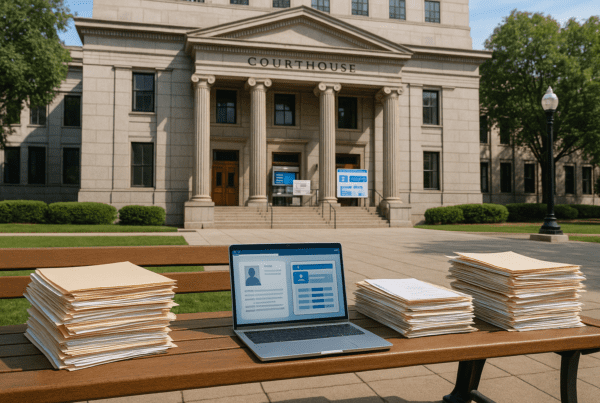

Property ownership records have long served as an open window into homeownership, real estate transactions, and land use within communities. These records, often managed at the county level, offer a kind of public ledger where names, transaction dates, and property details are typically available to anyone who asks or searches online. Yet this access is not fixed. It changes as states reconsider how much transparency suits the public good, weighed against personal privacy.
The Shuffle Between Transparency and Privacy
Traditionally, property ownership data has been part of the public domain in many places, underpinned by the idea that transparency in real estate fosters fair practices, informed communities, and accountability. Government agencies, legal professionals, businesses, and ordinary citizens alike have relied on these records for various purposes, from title verification to genealogy research.
But as privacy has taken a more prominent spot in public conversation, states are reevaluating how openly they should share this information. While the data seems straightforward, it quietly reveals a wealth of details about individuals, such as ownership of multiple properties, hidden wealth, or even sensitive personal connections through joint ownership and trusts.
State-by-State Shifts Shape Public Access
The changes taking place vary widely. Some states have moved toward more permissive access, embracing digital platforms that make searching property records easier and faster. Others adopt restrictions to shield owners’ names or addresses behind layers of privacy protections.
One noticeable trend involves attempts to redact or limit the display of certain personal information online, especially for vulnerable groups. These may include victims of domestic violence or individuals who have requested confidentiality due to safety concerns. Such restrictions can alter the balance of who can find what, and at what cost.
In places like California, the passage of laws like the California Consumer Privacy Act (CCPA) has layered new obligations on government agencies managing property records. These policies encourage agencies to scrutinize how data is presented and whether personal identifiers should be masked or encrypted, even in publicly available records. This creates a nuanced approach that does not entirely block access but tries to minimize potential harms.
Implications for Everyday Users and Professionals
For those conducting a typical property search – whether for buying a home, settling an estate, or connecting family histories – shifting rules add complexity. Where once consolidated, clear-cut information was standard, gaps or additional verification steps now appear. Users may encounter services that require identity verification or payment to access certain details previously free and easily obtained.
Real estate professionals and legal experts face similar tensions. On one hand, they rely on timely, comprehensive data to advise clients accurately. On the other, compliance with patchworks of privacy rules means adapting to different protocols state to state. This can slow down routine transactions and increase administrative burdens.
Public records specialists note that while the goal of protecting privacy is understandable, over-cautious restrictions risk undermining the openness that maintains trust in the property market. Finding a middle ground that respects privacy without turning property records into opaque black boxes remains delicate.
The Role of Technology and Data Management
Technology is often cast as both a facilitator and disruptor. Modern data systems can control access with greater precision, allowing agencies to tailor which parts of a record are public and which remain confidential. But they also raise questions about digital permanence and controls over data re-use.
Cloud storage, aggregation by third-party vendors, and public portals bring convenience but also exposure to data scraping and mass collection. This challenges states to build robust cybersecurity measures and clear policies on how property records data may be sold or shared beyond the public portals themselves.
States that invest in transparent, accountable frameworks tend to earn more public confidence. Users who see clear explanations about why certain information is hidden or altered report greater patience. In contrast, sudden unexplained changes that block access breed suspicion and impatience among the public.
Wider Cultural and Legal Contexts Inform the Debate
Privacy reforms around property ownership data do not happen in isolation. They reflect evolving ideas about identity, surveillance, and digital rights that extend beyond real estate. In the era of expansive data collection, ownership records form just one thread within broader societal debates about control over personal information.
Legal experts point out that courts have sometimes squeezed or expanded privacy protections for property-related data depending on the case facts and constitutional principles. State legislation must navigate this legal landscape carefully, balancing transparency required by law with emerging privacy rights and consumer expectations.
At the same time, consumer advocacy groups urge caution against over-privatizing public records, arguing that open access grounds communities and enables watchdog functions against corruption or fraud.
These layered pressures produce an ongoing dialogue around how governments publish, protect, and share property data. It is a dynamic, sometimes uneven process shaped by political will, public demand, and technological possibilities.
Observing these developments provides a window into how privacy evolves on the front lines of public information management. Property ownership data, once unquestioned as public, now sits at an intersection where competing values collide and compromise shapes what the public ultimately sees or does not see.
For those depending on these public records, whether for professional or personal reasons, staying informed about state privacy law trends is increasingly important. Even small changes in what details are accessible can shift how individuals navigate property info, from simple curiosity to complex business dealings.
Places where privacy law pushes back on open access may motivate innovations in data access protocols or new intermediary services that bridge confidentiality with usability. Meanwhile, states that maintain more traditional open records policies may need to address privacy risks proactively and avoid slowdowns that frustrate users.
Ultimately, the tension between transparency and privacy in property ownership data will likely persist as a key governance challenge, reflecting how societies weigh individual rights against collective accountability in an age of digital information.
For further reading and to see how specific states approach these issues, resources such as the National Conference of State Legislatures on Privacy and Data Protection provide detailed overviews. Meanwhile, county government portals often describe their own rules and access options, revealing how local practices diverge under broader state mandates.
Exploring these facets reveals not just the letter of the law but the spirit behind decisions that shape the public’s right to know their property landscape.
Sources and Helpful Links
- National Conference of State Legislatures on Privacy and Data Protection, a comprehensive overview of state laws affecting data privacy.
- California Department of Justice Privacy Laws, detailing privacy regulations like CCPA impacting public records.
- Public Records USA, a guide to state-by-state public records access, including property data.