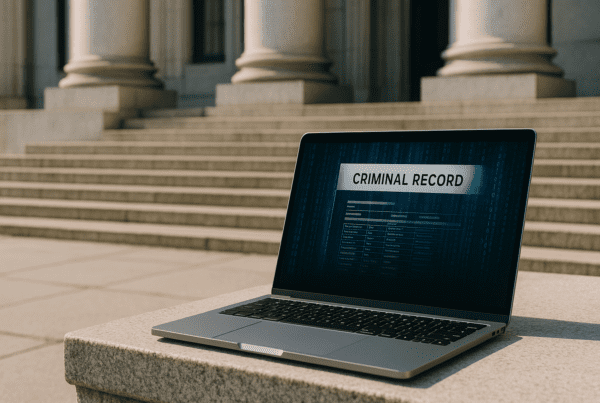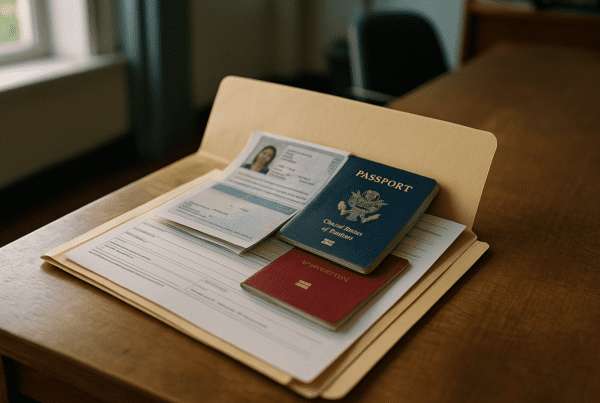

Claims to legal identity often follow expected routes through birth certificates, passports, and government-issued IDs. However, for many individuals, especially in recent years, these conventional records do not fully reflect their lived identities. Whether it is gender identity, name changes, or recognition of less traditional personal histories, new legal identity claims increasingly depend on the availability and interpretation of public records.
Respecting the Limits and Flexibility of Public Records
Public records were not originally designed with flexible identity concepts in mind. They typically preserve identity markers like name, birth date, parentage, or citizenship status in fairly rigid formats. This is understandable given the original purpose of these documents to establish identity for government, legal rights, and civic duties. Still, this rigidity can clash with emerging personal identity claims that challenge or extend beyond those formats.
For example, updating a legal name or gender marker often requires producing documents that connect the individual’s past identity records with their current lived identity. Courts and administrative bodies lean heavily on the chain of previous public records to corroborate such changes. The thoroughness and clarity of these records can directly affect whether a claim is accepted or denied. In this way, public records act both as gatekeepers and facilitators.
Identity Claims Beyond the Conventional Framework
More than just names or gender markers, legal identity claims can incorporate broader factors that challenge traditional documentary evidence. Cases involving recognition of tribal membership, acknowledgement of nonbinary gender, or requests for gender-neutral parental markers highlight how public records must adapt or be reinterpreted under shifting legal landscapes. Courts sometimes have to balance strict compliance with procedural norms against evolving social and legal understandings.
One challenge is that official public records often lag behind social changes. For example, some states have only recently allowed gender markers other than male or female on official documents. Handling identity claims predating such reforms means relying on less direct forms of verification and sometimes accepting secondary proofs or expert testimony. Legal professionals must navigate between the letter of the law and the spirit of identity validation, relying on the public record as a starting point.
The Intersection of Identity Validation and Privacy Concerns
Public records are double-edged in identity claims. They provide vital documentation but can also expose highly sensitive information. This is especially true when past identity elements contradict an individual’s current legal and social identity. People seeking new identity recognition may hesitate to produce every historical document out of privacy concerns, fearing stigma or discrimination.
This dynamic introduces a nuanced interplay between transparency required for legal verification and the need to protect individuals’ private histories. Some jurisdictions have responded by limiting public access to certain identity-related records or by creating specialized administrative pathways that streamline identity changes. These measures aim to preserve dignity while supporting the evidentiary needs grounded in public records.
Public Records and Identity in an Increasingly Digital Age
The digital transformation of public records offers opportunities and challenges for novel legal identity claims. On one hand, digitization can reduce errors and improve record accessibility, making it easier to trace the chain of identity documents over time. On the other hand, digital records pose new risks such as unauthorized data exposure and concerns about permanence of sensitive information.
Legal systems are increasingly tasked with integrating digital public records into identity claim processes while safeguarding against misuse. For example, some states have introduced electronic verification systems that can facilitate quicker identity updates with less paperwork. Yet concerns persist about the digital footprint left behind and what it might reveal about an individual’s history in ways they might not wish to disclose.
Overall, the role of public records in supporting novel legal identity claims remains vital but complex. It reflects a balancing act between adherence to documented history and respect for evolving personal truths. Navigating this terrain requires both legal awareness and sensitivity to the social dimensions of identity.
In this context, those working in legal and administrative capacities increasingly recognize the need for flexible, respectful approaches that use public records not just as static evidence, but as part of a broader verification process that honors lived experience. The continuing evolution of record-keeping and legal standards suggests that the dialogue between public records and identity claims will remain an important area for further observation.
For more practical insight into how these processes unfold and the relevant legal frameworks, resources such as [the National Center for State Courts](https://www.ncsc.org) provide regular updates on court procedures and identity law reforms. Likewise, [the National Archives](https://www.archives.gov) offers guidance on record management that can illuminate how identity information is preserved and accessed across jurisdictions.
For those navigating identity claims, understanding the scope and limitations of public records can help frame expectations and inform strategies for presenting evidence. Public records remain a cornerstone of legal identity, but they are only part of a multifaceted verification landscape evolving in step with society’s changing sense of identity.
Given the social significance and legal implications of these issues, continued attention to public record policies and their application in novel identity claims seems essential. These records anchor identity in official recognition, yet must be examined with an eye toward fairness and the realities of human experience outside historical templates.
At PersonZoom, observing how public data connects and supports personhood beyond static facts continues to guide our approach to identity research. As legal concepts expand, so too does the value of public records as dynamic sources illuminating the paths of individuals reshaping their legal identities.
Sources and Helpful Links
- National Center for State Courts – Updates on court procedures and reforms affecting legal identity claims.
- National Archives – Guidance on public record preservation and accessibility across jurisdictions.
- American Bar Association LGBT Resources – Legal perspectives on identity recognition and document changes.
- Data & Society Research Institute – Insight into digital records, privacy, and data use in identity claims.