Looking closely at recent public records offers more than just statistics about older adults. These records open up a view into how living arrangements evolve as people age, revealing not only where they reside but how families link together, adjust, and support each other in everyday life. This mosaic of information uncovers patterns shaped by economic realities, health challenges, cultural values, and the persistent desire for connection.
Shifts in Household Composition Seen Through Recorded Addresses
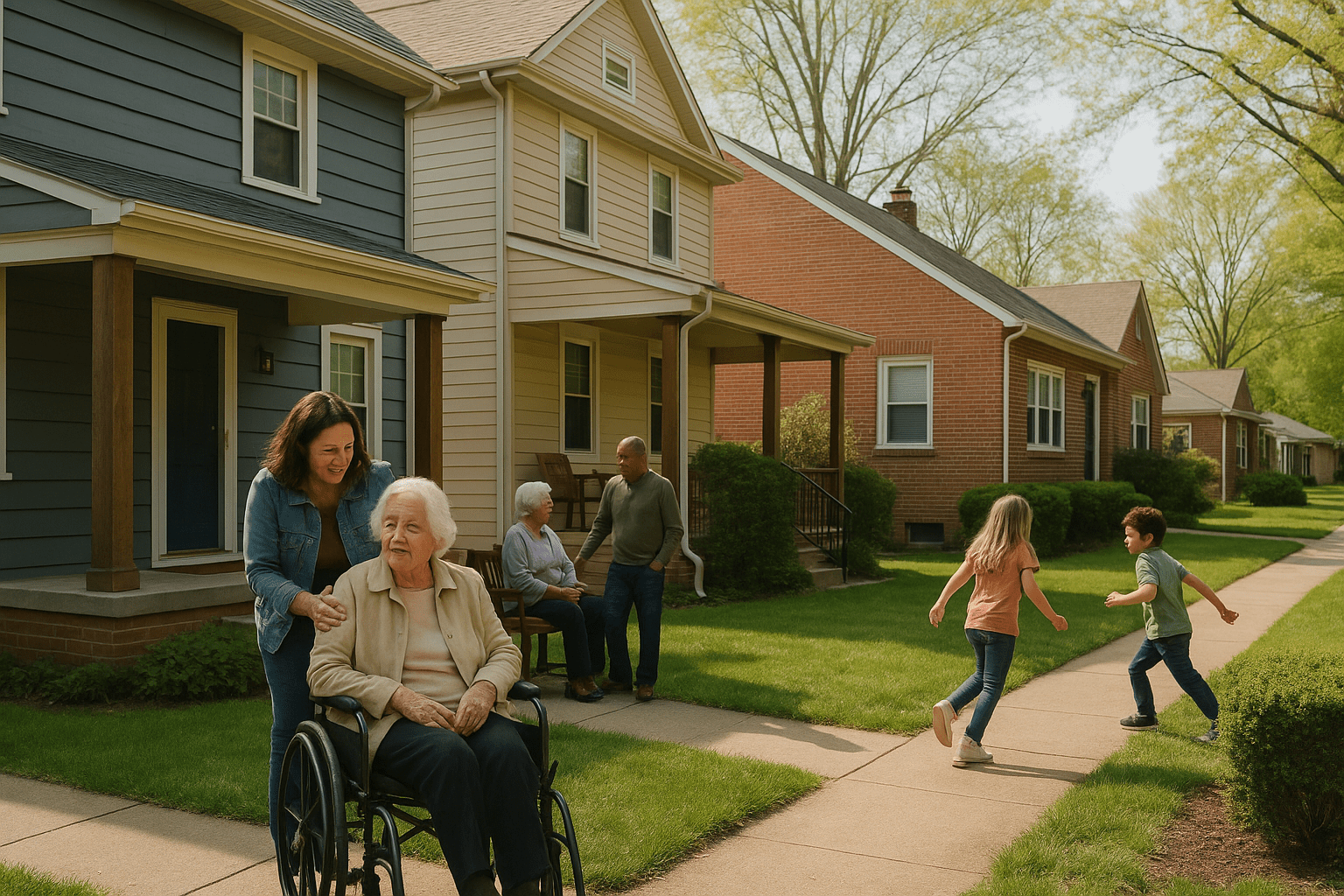
Address histories within public data stand out as an early indicator of how older adults are living. Rather than retreating into isolated homes, a notable number are part of multi-generational households, a living arrangement growing in prominence after decades of focus on nuclear families. Census data and housing records illustrate increases in households where grandparents share space with adult children and grandchildren, creating complex but meaningful family dynamics.
This pattern often reflects a blend of practical and personal factors: economic benefits from shared costs, enhanced care opportunities when health concerns arise, and traditions valuing extended family cohesion. Public records tracking property ownership, utility accounts, and residency filings highlight these clusters, often showing family names recurring across a neighborhood. These patterns are more than numbers; they are signs of families navigating aging by leaning on familiarity and mutual support.
Furthermore, this shift connects to broader economic pressures affecting housing affordability and elder care. Rising housing costs push some families to consolidate living spaces, creating arrangements that might not have been common in previous generations. These trends also point to a cultural renaissance for multi-generational living, which had declined in mid-20th-century America but has regained ground with demographic changes and shifting attitudes.
Living Independently and the Role of Mobility Evidence
Some public records shed light on the delicate balance between independence and necessity. Change of address reports, vehicle registrations, and utility setups reflect older adults’ attempts to maintain autonomy while adapting to shifting circumstances. Many choose to remain in familiar surroundings, opting to downsize or move into senior-focused housing that preserves neighborhood ties.
Yet these records also reveal transitions indicative of new care needs. Increased activity around assisted living or nursing facility addresses, visible through residency notifications and institutional filings, speaks to the realities some face. These movements often mark a turning point from complete independence to shared or supervised living situations, a transition that public records quietly document. Understanding these changes helps frame aging not just as a series of losses but as adjustments within a continuum of living choices.
Public records also sometimes capture relocation trends linked to health changes, such as moves closer to family or community health resources. The volume and timing of these moves suggest that many older adults, despite wishes to age in place, may eventually find benefit or necessity in environments offering additional support monitoring and social opportunities.
Financial and Legal Insights Embedded in Property Records
Property and financial records add a crucial layer of context. Documents like deeds, mortgage filings, liens, and reverse mortgage applications provide clues about the economic pressures or resources influencing older adults’ housing decisions. For example, a rise in reverse mortgage activity in areas with larger senior populations may signal how some tap home equity to cover living or medical expenses.
Public archives of estate planning documents add depth to this view. Trust setups, living wills, and power of attorney registrations suggest that many seniors and their families actively prepare for housing stability amid health changes. These preparatory legal steps, recorded in public databases, imply a broader awareness about managing transitions carefully to avoid sudden displacement or disruption.
Moreover, examining foreclosure filings or liens can sometimes reveal the financial stress faced by older homeowners. While many manage to maintain their homes, these records demonstrate that some confront difficult trade-offs when expenses outpace income or unexpected medical costs arise. Such nuances often go unnoticed but are critical for understanding the lived realities behind statistics about aging populations.
Community and Connection in Data Patterns
Beyond individual homes, relational public data paints a picture of communities evolving alongside their older residents. When real estate transactions, voting registrations, and demographic clusters are examined together, a broader story emerges about neighborhoods adapting and responding to aging populations. Some areas see an influx of services tailored to seniors or a rise in multi-generational activity that revives community dynamics.
Linking health records to address data further illuminates how support and care networks center around or disperse from these populations. The presence of health facilities, senior centers, and social services correlates with where older adults can remain ingrained in their communities. These patterns suggest that aging in place involves not only the physical home but access to social and medical infrastructure, crucial for quality of life.
Social isolation among seniors has been a growing concern, and public data sometimes reflects residential clustering or dispersal that contributes to this issue. Neighborhoods with tight networks and accessible services tend to foster stronger communal bonds, which positively affect well-being. Understanding these spatial and social dynamics through public records offers a way to measure resilience or vulnerability in aging populations.
Overall, the wealth of detail found in public records captures a portrait of aging as a lived experience shaped by many forces – from family ties and financial realities to health needs and community engagement. These records invite a more empathetic understanding of how seniors manage place, care, independence, and belonging.
Nonetheless, interpreting these patterns requires attention to the limits of public data. Records come with constraints such as delayed updates, privacy regulations, and varying local practices. They offer snapshots but not a complete story. When combined thoughtfully with surveys and qualitative research, public records enrich our grasp of aging in today’s society.
The coming years will likely bring further evolutions visible in public data, reflecting demographic trends and social changes. For anyone curious about the real-life context behind the numbers, resources like the U.S. Census Bureau provide regularly updated demographic and housing insights. Meanwhile, the National Council on Aging offers perspectives on community services and senior living trends. Access to property and legal records through local government portals also adds detail about ownership and planning.
These resources help bridge the gap between abstract data and the vibrant, nuanced realities of aging in place, showing how older adults continue to shape and be shaped by the places they call home.
Sources and Helpful Links
- U.S. Census Bureau – Comprehensive demographic and housing data updated regularly
- National Council on Aging – Information on aging trends and community support resources
- USA.gov Property Records – Guidance on accessing property and legal documents