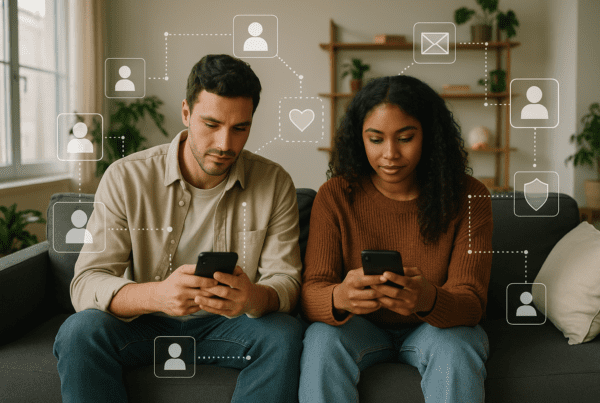
Online dating platforms have undergone a significant, subtle transformation over the years. What began primarily as digital spaces for meeting potential partners have increasingly taken on the role of verifying who is actually behind each profile. This is not just a matter of adding new features but a reflection of the shifting realities of interpersonal connection in an often complicated and sometimes risky online world. The rise of identity verification tools within these platforms responds to a growing need for users to feel secure and understood amid the flood of profiles and messages.
Trust Emerges as the Cornerstone in Virtual Relationships
The act of putting oneself out there, through a careful curation of photos and snippets of personal life details, involves its own form of vulnerability. Likes and matches might seem superficial at first, but they rely heavily on a base level of trust. Platforms and users have recognized that safety concerns, such as catfishing or deception, persistently undermine the experience. Initially, verifying email addresses and phone numbers served as a basic filter, but these measures proved insufficient as scammers became more sophisticated.
Government watchdogs, especially the Federal Trade Commission, have documented the steep rise in romance scams that exploit emotional vulnerabilities. These warnings have pressured dating services to rethink how they secure the digital spaces they offer. The shift is tangible: identity verification is no longer a peripheral add-on but increasingly a fundamental component of a platform’s responsibility.
Cross-Sector Inspiration Influences Dating App Verification
Verification methods on dating platforms owe much to trends seen in other digital arenas where trust and security are paramount. Banks, government services, and social media platforms have long incorporated multi-factor authentication and biometric data to confirm identities. Dating apps adopt similar techniques to add depth to their trust-building strategies.
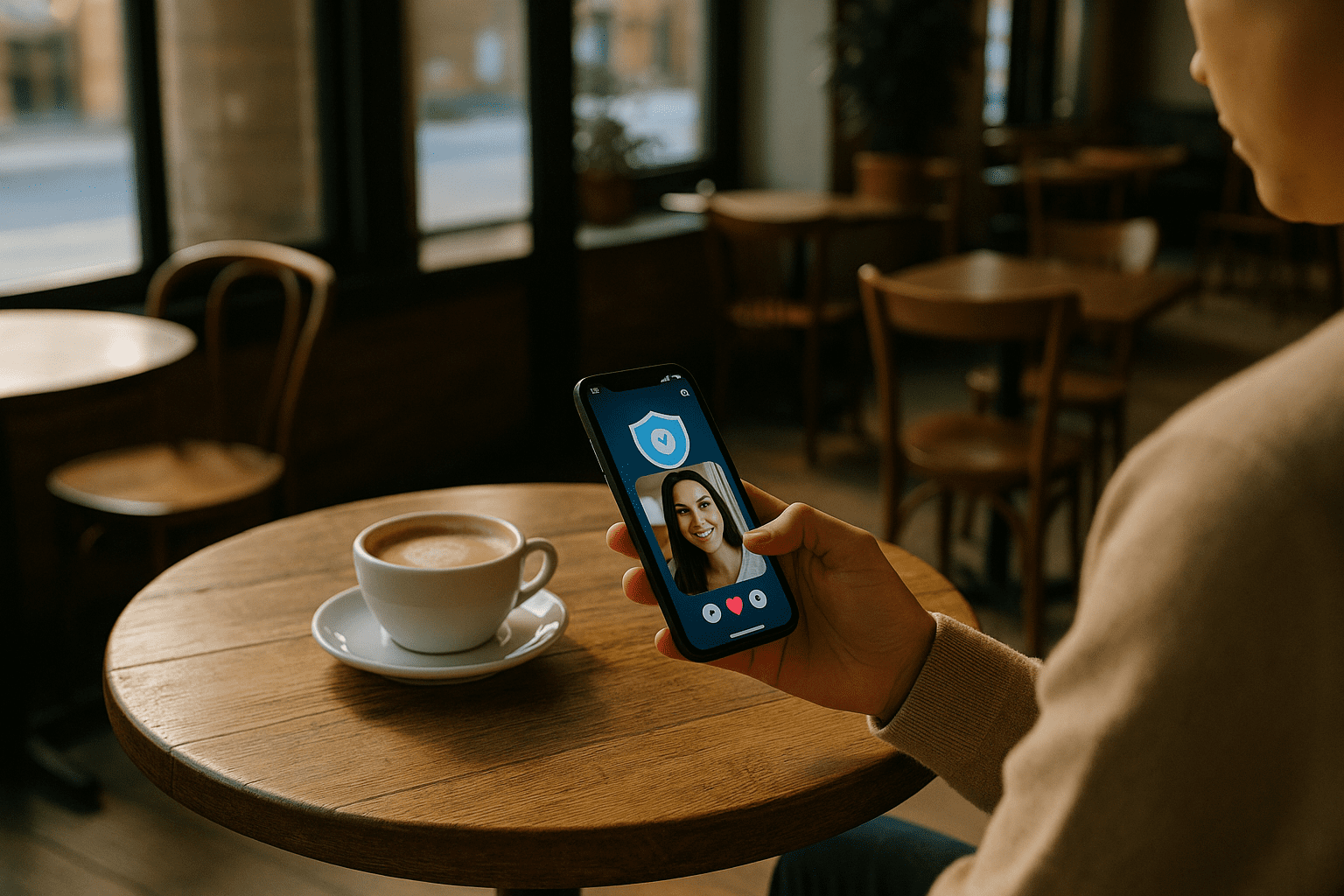
Take, for example, selfie verification, now common on popular services such as Tinder and Bumble. This practice asks users to replicate poses shown in sample photos, allowing automated or human review to check if the profile pictures are genuine or stolen from the web. This step marks a shift away from the earlier days of fully anonymous online dating, supporting a culture that favors transparency while maintaining ease of use. Networks such as ID.me further exemplify the growing movement toward unified, verified digital identities extending beyond dating to many facets of online life.
Balancing Verification with the Feel of Casual Connection
Dating thrives on emotional openness as much as on security. Users often seek spontaneity and warmth that could easily be stifled by heavy-handed verification protocols. Platforms must finesse their approach to avoid making identity checks feel like bureaucratic hurdles rather than confidence-building features. The risk, otherwise, is losing people to less careful but easier-to-access alternatives.
For this reason, many dating services roll out verification options gradually, positioning them as enhancements rather than strict requirements. Incentives such as verified badges or prioritization in search results encourage users to participate while respecting varied comfort levels. This softer approach acknowledges that trust is complex and layered, influenced as much by feelings as by facts.
Privacy Expectations and Data Responsibility
Collecting personal information for identity checks naturally triggers important questions about privacy. Users faced with requests for government ID scans or biometric data hold understandable concerns about how, where, and for how long that data is stored. Dating platforms operate within an increasingly scrutinized environment where data protection regulations like Europe’s General Data Protection Regulation and California’s Consumer Privacy Act frame legal obligations.
Transparency plays a central role in building confidence. Platforms that clearly communicate their data handling, opt-in policies, and security measures foster a stronger sense of community trust. This dynamic is crucial since a single breach or misuse incident can significantly damage both user trust and a platform’s reputation.
Changing Digital Culture and What It Means for Social Connection
The rise of identity verification tools on dating sites fits into a broader cultural shift in how people expect to behave and be treated online. Accountability and safety have become essential pillars of digital interaction, especially where personal and emotional stakes are high. In this landscape, verified identities signal more than just authenticity. They represent a subtle promise that the user behind the screen has passed a kind of social check.
This evolving norm also reflects growing digital literacy. Users learn to interpret verification badges and other signals as cues that help them navigate the pool of potential matches more safely. Dating platforms have thus become, in a way, informal educators on digital trust, helping people sharpen their sense of safety while maintaining openness.
Ultimately, viewing dating platforms as hubs for identity verification reveals a layered story about technology, social change, and humanity’s desire for connection. It shows that building trust online is more than an algorithmic challenge – it is about weaving together security, privacy, and authentic interaction so that people can meet safely even when separated by miles and screens.
Because romance scams still cause real harm, the FTC’s guidance remains an important resource for those navigating these platforms. Meanwhile, initiatives like ID.me highlight how identity verification is becoming a wider digital practice beyond dating. Understanding the landscape of privacy law through sites like the GDPR portal also equips users to better evaluate the data protections applicable when sharing their information.
Sources and Helpful Links
- Federal Trade Commission on Romance Scams – Guidance on identifying and avoiding common romance scam tactics.
- ID.me – A digital identity network supporting secure verification across services.
- General Data Protection Regulation (GDPR) – Overview of data privacy regulations in the European Union.
- California Consumer Privacy Act (CCPA) – Information on data privacy rights in California.