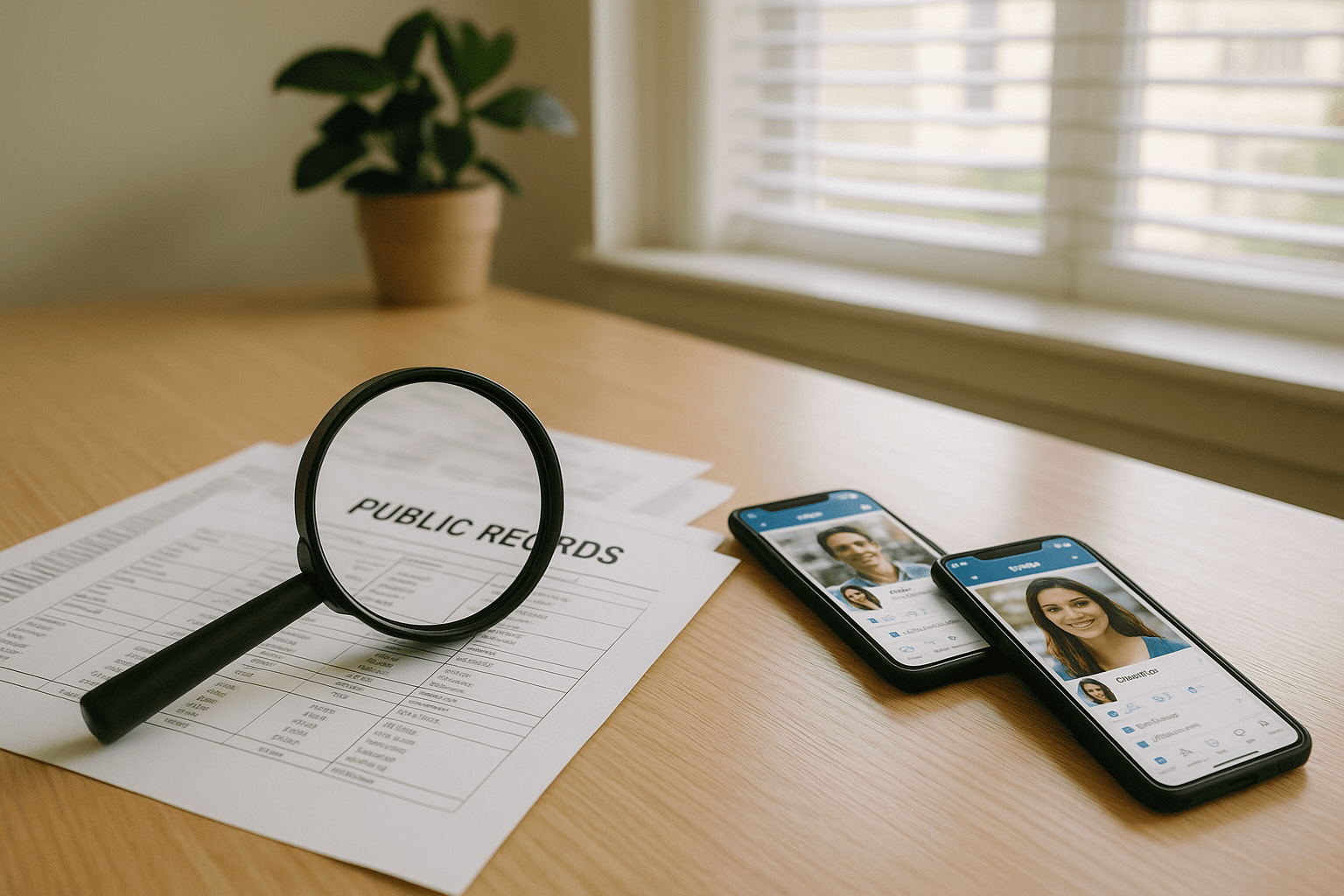
Public records have long been the backbone of people search databases, offering official documentation such as birth records, court cases, and property ownership. Yet as time passes, it becomes clear that these records tell only part of a person’s story. The rise of social media has shifted how personal information can be found and understood. Today, social media links are increasingly woven into people search strategies to fill in the blanks traditional sources might leave.
Gathering Layers Beyond Official Documents
Public records are valuable because of their official nature, but they often lag behind real-time life changes, such as a recent move or new job. Social platforms can offer more current snapshots of a person’s circumstances. Profiles on platforms such as Facebook, LinkedIn, and Twitter frequently include voluntarily shared details about employment, location, family, and interests that public databases might not yet reflect.
For example, a LinkedIn profile can sometimes confirm a person’s career history or current employer faster than business registration records. Meanwhile, a Facebook or Instagram account may reveal moves between cities or changes in family status through posts or profile updates.
This additional context is particularly useful when public records are sparse or outdated. It brings a fresher viewpoint that helps investigators and individuals alike get a fuller sense of a person’s recent activities.
Challenges in Verifying and Connecting Social Profiles
The integration of social media links into public record aggregation is not without its complications. Social profiles are self-curated and carry a much greater risk of misinformation or selective presentation. Some users keep private settings, limiting how much can be observed, while others may have multiple accounts that complicate identification.
Matching social media profiles to the correct individual requires careful cross-referencing with known public data points such as name, location history, or known associates. Tools that scrape and compare data must navigate these variations while respecting privacy boundaries and terms of service.
In many cases, a single strong signal, like a confirmed email address tied to both a public record and social account, serves as an anchor for connection. Without such anchors, interpretation must be cautious, and conclusions remain tentative.
When Personal Networks and Connections Matter
One of the real strengths of social media links is their ability to reveal relational context. Public records may list an address or a registered phone number, but social networks show friendships, family ties, and professional connections in a more visual and fluid way.
This network view can sometimes surface connections that broaden a search or confirm relationships that public records only suggest indirectly. For instance, someone’s social media ties with particular relatives or colleagues can confirm surname matches or shared locations seen on official records.
These relational clues often help people search platforms build out family trees or professional networks. They can also support safety and verification efforts by providing more nuanced indicators of identity than isolated records alone.
A Balancing Act With Privacy and Accuracy
Users and people search providers alike must balance the advantages of adding social media to public record investigation with privacy concerns. Social media content is often shared publicly, but not always intended for broad visibility beyond personal circles.
Ethical practices include respecting user privacy settings and not extrapolating beyond what is reasonably public and verifiable. The boundary between legally accessible information and respecting personal boundaries remains an ongoing discussion, especially as social sites evolve their policies and technologies.
Accuracy is another concern. Because social media is user-generated content, it can perpetuate outdated or incorrect facts. Public record verification remains essential, and social links should supplement, not override, official data.
The Shifting Landscape of Identity Search
As people’s lives become more entwined with digital platforms, it is natural that people search and public record systems adapt accordingly. The growth in leveraging social media links reflects a broader trend toward incorporating diverse data sources to create a more layered, real-time picture of identity.
It is a process rooted in observation, validation, and the need to offer users clearer insights into who someone is right now, rather than only who they were as registered in static archives. This approach mirrors a larger digital age pattern: piecing together official and unofficial data into coherent narratives without losing sight of context and limitations.
For those seeking to verify identities, reconnect with people, or research backgrounds, the careful inclusion of social media alongside traditional public records provides a useful bridge between past records and present realities. It emphasizes connection and clarity while reminding us that no single source tells the whole story.
Ultimately, the interplay of public records and social media in people search is still evolving. Observing patterns and tactics over time reveals how these data forms combine to reflect and respect the complex human reality behind the records.
That perspective is vital for anyone navigating identity verification today, offering a more human and informed view shaped by where data comes from and how it fits together.
When exploring links between social media and public records, sites like PersonZoom illustrate this layered approach by integrating verified public records with social connections, helping users see a fuller picture. Resources such as FCC guides on public records provide foundational clarity on the nature and limits of official data. Meanwhile, privacy-focused organizations like Electronic Frontier Foundation offer useful perspectives on ethical considerations around social media use in data practices.
Seeing how social media and public records intertwine offers a glimpse into a modern identity landscape shaped by multiple, overlapping sources – a landscape that continues to shift and demand observant, patient exploration.
Sources and Helpful Links
- PersonZoom – Aggregates public records and social connections to provide integrated people search results
- FCC Public Records Guide – Explains the scope and use of official public records
- Electronic Frontier Foundation – Social Media Privacy – Discusses privacy concerns and practices related to social media data