Marriage and divorce records have traditionally been part of the public record in many parts of the United States. These documents offer valuable information not only for genealogists and historians but also for individuals verifying identity, legal professionals, and journalists. However, recent privacy-focused regulatory changes are reshaping how accessible these records remain, bringing a delicate balance between public transparency and the protection of personal information.
The evolving landscape of privacy and public records
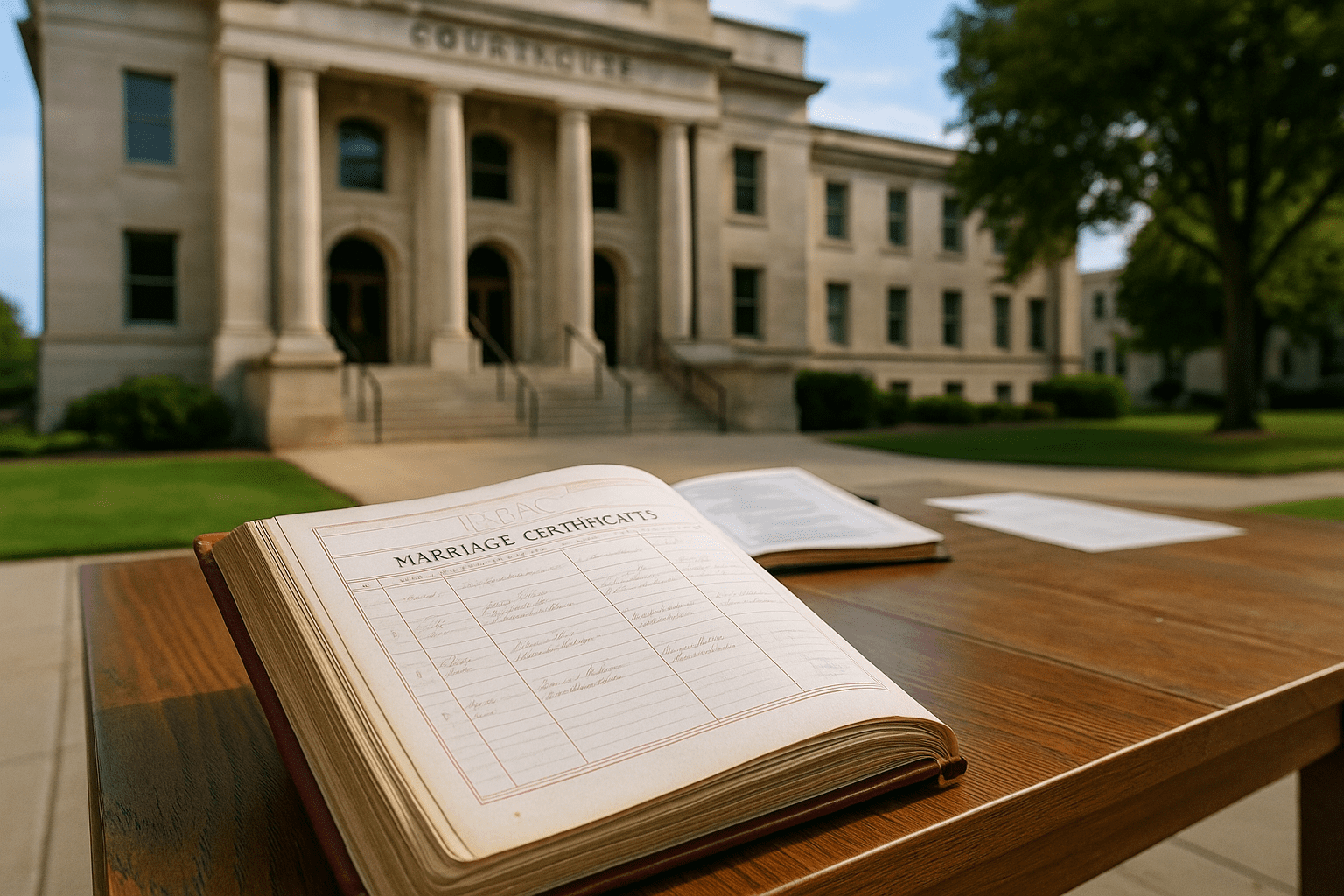
For decades, marriage and divorce records were often easily accessible at the county or state level. Anyone could visit a government office or, more recently, access online databases to find documents such as certificates of marriage and divorce decrees. The rationale was that these records, being part of the legal recognition of relationships, were inherently public and thus open to scrutiny.
What we have witnessed recently is a shift driven by growing concerns over personal data misuse and identity theft risks. Privacy regulations like the California Consumer Privacy Act (CCPA) and similar frameworks in other states reexamine the boundaries of public access. Additionally, heightened awareness around digital identity security urges record custodians to reconsider how and to whom they release sensitive information.
Changing rules around who can see what
One clear consequence of these privacy efforts is the restriction placed on marriage and divorce record availability. While traditionally many records were available without substantial barriers, more jurisdictions now require proof of a legitimate interest, identity verification, or even prohibit broad public online publication entirely.
For example, some states have moved to make the full details contained in divorce records, such as financial arrangements or custody agreements, confidential or partially redacted. Similarly, the names in and details of marriage records may be treated with increased caution to protect individuals from harassment, stalking, or misuse of their information.
These restrictions do not come without trade-offs. Researchers and others who rely on open access to these documents face new hurdles. The process can become slower and more cumbersome, with additional paperwork or fees. Transparency advocates worry about how this limits public accountability and historical record-keeping.
Technology’s role in amplifying the conversation
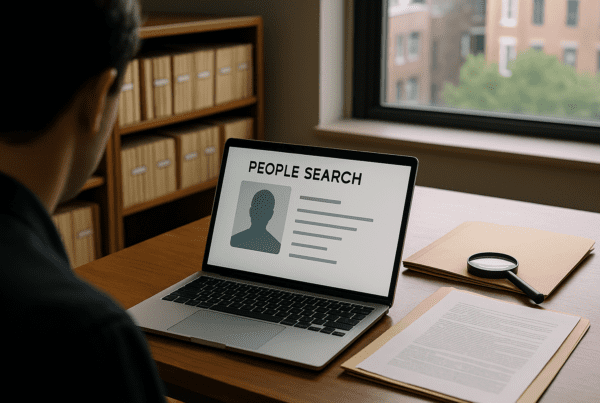
The digitization of public records introduced both opportunity and complication. On one hand, online databases have vastly improved convenience and speed to access marriage and divorce records compared to paper-based searches. On the other hand, that same digital ease posed new privacy challenges by making sensitive details vulnerable to scraping, repackaging, or even outright theft.
This tension between ease of access and privacy protection now finds governments and data stewards caught in difficult decisions. Many try to implement tiered access systems where approved users might gain fuller entry than the general public. Sometimes, basic identifiers like date and place can be accessible while sensitive parts remain behind stronger controls.
This evolving approach is seen in states that have introduced more robust identity authentication for online searches, or in courts where in-person requests require notarized documents proving legal interest. The underlying recognition is that marriage and divorce records cannot simply be treated like any other public data without accounting for privacy’s rising importance.
Implications beyond the records themselves
The tightening of access does not just affect those looking up marriage or divorce status. It ripples into other domains like background checks, genealogical research, and legal processes. Family history enthusiasts, for instance, often find fewer leads available due to redactions, prompting them to seek alternative routes or formal permission processes.
Meanwhile, legal professionals must navigate the procedural nuances to obtain records needed for cases involving divorce settlements or custody disputes. Employers or landlords occasionally turn to these records for verification purposes, though privacy laws increasingly limit such use unless explicitly allowed under law.
Privacy advocates argue that the increasing regulations help prevent exploitation of these intimate details, while critics say it curtails legitimate societal interests. The debate is very much about how to weigh privacy against transparency in a society that values both.
Where clarity and regulation meet in the future
It is clear the landscape of access to marriage and divorce records will continue evolving. Regulatory bodies keep updating policies to address the growing complexities digital access brings while still preserving essential public functions. There appears to be a trend toward more nuanced rules rather than uniform full openness or closure.
In practical terms, this means individuals seeking these records may encounter new verification steps, limits on online queries, and varying levels of information disclosure depending on jurisdiction. Understanding these nuances helps set reasonable expectations and guides users to responsible access strategies.
While no simple line divides private and public in records about relationships, the ongoing adjustments reflect society’s attempt to respect privacy without discarding the useful purpose public documentation serves. Over time, as technology and law advance, those layers will likely continue to adjust in response to new social values and data protection challenges.
Finding a personal or professional record now often involves navigating more procedural checkpoints, but these measures aim to protect the sensitive information that marriage and divorce records contain. Observers of public record trends will watch how the interplay of technology, law, and privacy evolves in this crucial area of identity documentation.
More information on how various states manage these records can be found through official government websites, such as the National Center for Health Statistics marriage and divorce vital records guide, which surveys access policies state by state. Additionally, privacy rights groups like the Electronic Frontier Foundation discuss broader implications of digital data in public records. For those interested in the day-to-day realities of people search and public record access, resources like the [PersonZoom Privacy Insights](https://www.personzoom.com/privacy) provide grounded perspectives on changes in this space.
The dynamics around marriage and divorce record access will remain an insightful window into how society navigates personal privacy amid increasing demands for transparency and data availability.
Understanding these shifts helps individuals, researchers, and professionals adapt while respecting evolving norms around sensitive public information and identity data.
Finding this balance, while challenging, is part of the broader story of privacy’s role in our digital and legal landscapes.
Those who delve into public records today might find it helpful to stay updated on state laws as they update their policies, along with federal guidelines shaping privacy expectations. Awareness and patience go a long way in making sense of an area marked by significant ongoing change.
The path ahead for marriage and divorce records access is not just a legal or technical question, but one deeply connected to how society values privacy alongside its need for openness.
Sources and Helpful Links
- National Center for Health Statistics, comprehensive information on marriage and divorce vital records across the United States
- Electronic Frontier Foundation, insights on privacy concerns in digital data and public records
- PersonZoom Privacy Insights, detailed analysis of privacy changes affecting people search and public records
- California Consumer Privacy Act (CCPA), overview of one of the strongest state-level privacy regulations impacting records access