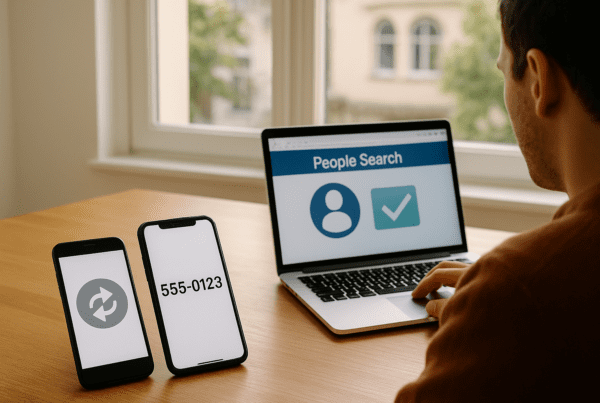
In the realm of identity verification, phone numbers have long played a central role. They serve as a key piece of contact information and function as a widely used channel for two-factor authentication and account recovery. For businesses and security systems, the phone number is often taken as a reliable identity signal linking individuals to their profiles. However, the ability to port, or transfer, phone numbers between different carriers without losing the number itself has quietly disrupted the assumptions behind these verification processes.
When Numbers Follow People, Not Providers
The introduction of phone number portability means that a person can move a number from one wireless carrier to another, keeping the same digits even if the company behind the service changes. This flexibility has been a boon for consumers wanting to avoid the hassle of changing contact details, maintaining continuity with friends, family, and professional contacts. Yet, from the perspective of someone verifying identities, this creates a complication. The phone number is no longer permanently tied to a specific provider or geographic location, diluting its reliability as a fixed attribute.
This dynamic leads to a wider dispersion of phone number histories across carriers and regions, creating data gaps and inconsistencies in public and private databases alike. Information providers must constantly track number ownership changes to avoid outdated or incorrect contact links. This effort can fall short, especially when people switch carriers more frequently than databases update, causing mismatches that can complicate verification.
Verification Systems Caught in a Shifting Landscape
Two-factor authentication methods that rely on SMS or phone calls often assume the number matches the user’s current device. Portability undercuts this assumption. For example, someone who once had a phone number tied to a particular residence or identity may port the number to a new carrier that services a different region or demographic. If fraudsters exploit this portability, they could potentially hijack accounts by gaining control of a ported phone number, known as “SIM swapping” attacks.
For risk analysts and fraud prevention teams, the fragmented ownership record of phone numbers makes it difficult to track misuse or trace suspicious activity. A recent report from the Federal Communications Commission highlights how phone number portability is a factor in increasing unwanted calls and fraudulent activity through number spoofing. This underscores the need for updated verification strategies that account for the mobility of phone numbers rather than simply relying on them as static identifiers.
Data Linkage and Addressing Gaps in Public Records
Public record aggregators and people search platforms face their own challenges dealing with phone number portability. An accurate understanding of who a phone number belongs to usually comes from stitching together address history, name associations, and carrier information. When a number hops carriers, it disrupts this linkage chain.
Despite efforts to continually refresh and cross-check sources, many databases lag behind. This leads to outdated contact data or misattributed ownership, which in turn impacts everything from reconnecting with old contacts to validating consumer identities in business settings. It calls for both technical improvements in data matching algorithms and a more robust regulatory framework requiring carriers to report porting records with greater transparency.
Emerging Adaptations to the Portability Challenge
As phone number portability grows more ubiquitous, businesses and technology providers are exploring complementary signals to shore up verification processes. Device fingerprinting, biometric checks, and email verification increasingly supplement phone numbers as part of layered security approaches. Behavioral analytics, examining usage patterns rather than just contact numbers, also helps uncover when an identity may be at risk.
Carriers themselves have begun rolling out measures such as port validation and notifications to customers when a number port occurs, aiming to reduce fraudulent porting. Industry standards, including those recommended by organizations like the Secure Technology Alliance, promote stronger coordination across carriers to prevent hijacking through porting abuse.
Still, the evolving nature of communication networks means verification processes will continue to wrestle with the shifting ground phone number portability brings. The phone number remains a critical identity touchpoint but no longer a sole guarantor of authenticity.
Looking Beyond the Number
What emerges from examining phone number portability is a larger truth about identity verification in a connected world. Signals that once seemed fixed, like a phone number linked forever to a person or place, now move through complex systems under individual control. Verification efforts must embrace flexibility, recognizing how identities intersect with technology, behavior, and context. This means organizations need to gather multiple data signals and verify across channels rather than relying solely on a single attribute.
For individuals, awareness of how their phone number history affects security and privacy is vital. Keeping track of carrier changes, using security features provided by carriers, and maintaining strong authentication practices beyond SMS codes enrich personal security. As the systems that connect us evolve, so must our understanding of identity verification’s nuanced landscape.
Phone number portability, while a convenience for consumers, illustrates how technology can unsettle foundational assumptions of identity validation. Its impact ripples across verification systems, public records, and user practices, inviting a more layered, informed approach to securing trust in digital interactions.
As verification methods mature, those involved in people search and data aggregation must carefully calibrate how they interpret phone number data. This includes recognizing when a number’s portability might signal outdated information, potential fraud risk, or simply a user’s changing service preferences. It is a delicate balance of technical vigilance and human judgment in an environment where identity signals are increasingly fluid.
Understanding phone number portability’s role in identity verification challenges is thus essential for designing safer, more resilient digital and communication ecosystems in the years ahead.
Sources and Helpful Links
- Federal Communications Commission The FCC’s guide on unwanted calls discusses how number portability relates to fraud and security concerns.
- Secure Technology Alliance Information about industry standards and best practices for securing phone number portability.
- Truth In Advertising Explains consumer risks related to phone number portability and verification challenges.
- National Institute of Standards and Technology Insight on securing telephone numbers for identity verification from a federal research perspective.