Juvenile records have long existed at the intersection of privacy, rehabilitation chances, and public safety interests. These records, which contain details about young people’s encounters with the justice system, raise questions about who should see them and under what circumstances. Over recent years, legal challenges around public access to these records have caught rising attention. Rather than static rules, the accessibility of juvenile records is caught in a dynamic tension between shifting laws, court decisions, and evolving public expectations.
Balancing Youth Privacy with Public Transparency
Juvenile records typically include sensitive information such as arrest details, court proceedings, and sometimes outcomes related to probation or treatment. The rationale for limiting public access has traditionally rested on protecting young individuals from stigma and preserving their chances for rehabilitation. There is a broadly held sense that a youthful mistake should not unduly shadow someone’s future.
However, there are shifts that complicate this picture. Advocates for transparency argue that juvenile records must sometimes be accessible to serve community interests, such as informing victims or supporting public safety. News organizations and civil rights groups have also pressed for more openness to ensure accountability in juvenile justice systems.
This tension manifests in debates over if, when, and how juvenile records should be disclosed. The balance sought by courts and lawmakers is often described as weighing privacy against public interest, but the precise boundary has proven elusive.
Recent Court Rulings and Legislative Trends
Legal decisions in various states have reflected this complexity. Some courts have maintained strict protections, denying broad public access and focusing on confidentiality. Others have opened record access under certain conditions, such as court hearings or for specific types of offenses.
State legislatures have taken varied approaches, often adjusting the scope of public access or sealing procedures in response to public pressure or legal challenges. For example, some states expanded the types of information that can be sealed or expunged, while others introduced limits on sealing records for more serious offenses.
Federal guidance also plays a role. The Juvenile Justice and Delinquency Prevention Act emphasizes confidentiality but also acknowledges the need for some transparency to ensure proper management of justice processes. However, the lack of uniform national standards leaves considerable room for state-level variation and litigation.
Privacy Concerns Amplified by Digital Access
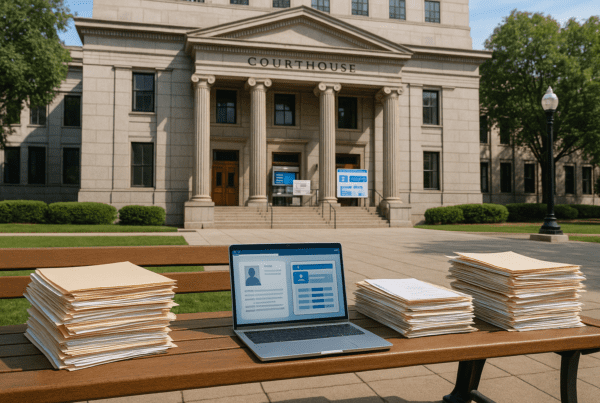
The rise of digital record keeping and online databases has amplified privacy concerns related to juvenile records. Where once access might have required formal requests or court visits, online availability potentially exposes sensitive data to broad audiences.
This reality has sparked debates about how to regulate online platforms and the responsibilities of agencies in managing juvenile data securely. Actors ranging from government agencies to private background check companies play roles in determining what information becomes public and how it is presented.
Concerns about misinterpretation of juvenile records, risk of discrimination, and the long-term consequences for young people’s reputations have fueled calls for stricter controls over online accessibility. This is particularly relevant as employment, education, and housing decisions sometimes hinge on background checks that may reveal juvenile history.
The Ongoing Dialogue on Reform and Fairness
Calls for reform show that the legal battles over juvenile record access are far from settled. Advocates urge systems to enhance restorative justice efforts, supporting youth without unnecessary exposure of their past. Others point to the importance of transparency for victims and communities, especially in cases involving violent or serious crimes.
Some jurisdictions are experimenting with innovative models, such as graduated access or enhanced sealing procedures that consider individual circumstances and the nature of offenses. These attempts reflect a deeper recognition that no single rule can satisfy all competing interests.
Judges, lawmakers, privacy experts, and community members all participate in a conversation where legal principles, technological possibilities, and societal values meet. Understanding the nuances behind these emerging legal challenges invites a more thoughtful perspective on how juvenile justice information is managed and what protections should remain.
The evolving landscape suggests that juvenile records will continue to test the balance between protecting individuals and meeting public accountability demands. The debate is not just legal or procedural. It reflects broader societal judgments about youth, second chances, and the public’s right to know.
For those navigating this terrain, from families and legal professionals to journalists and policymakers, awareness of these ongoing challenges is essential. It helps frame the consequences of policy choices and clarifies why questions around juvenile record access remain deeply contested and consequential.
Closer to home, investigative reports and legal analyses from sources like the Office of Juvenile Justice and Delinquency Prevention highlight shifts in policies and outcomes. Similarly, National Center for State Courts provides resources and case trends that shed light on judicial approaches. Privacy-focused organizations such as Privacy Rights Clearinghouse also offer insights into data handling practices influencing juvenile record access.
Watching these ongoing developments provides a grounded understanding of how juvenile records remain a live legal issue rather than a settled archive.
A Reflection on the Horizons Ahead
Legal struggles over juvenile record access reveal wider themes about privacy, justice, and societal values. The young people behind the records are at the heart of a legal and moral balancing act. As societies reconsider how to handle this information, the conversation touches on hopes for rehabilitation and risks of long-term harm.
It remains likely that laws and policies will keep changing as technology advances and public attitudes evolve. What is emerging clearly, however, is the continuing complexity and the high stakes involved. Protecting juvenile privacy while respecting the need for transparency calls for more than simple solutions.
Understanding these challenges as ongoing and unsettled helps us appreciate the delicate work done by legislatures, courts, and communities. The effort to find equilibrium between competing concerns over juvenile records remains a valuable lens on how law and social values interact in real life.
Those interested in this area will find it worthwhile to track the shifting legal terrain and the debates shaping what juvenile justice means in an age of information abundance.
Legal frameworks and public opinions will no doubt continue to reflect the subtle, nuanced, and sometimes fraught territory surrounding the public’s right to juvenile record access.
Sources and Helpful Links
- Office of Juvenile Justice and Delinquency Prevention offers official guidance and research related to juvenile justice policies.
- National Center for State Courts tracks state court decisions impacting juvenile record access and confidentiality.
- Privacy Rights Clearinghouse provides resources on data privacy, particularly in the context of public record access.
- Nolo on Juvenile Records explains juvenile record sealing and expungement policies across states.
- ACLU Juvenile Justice Resources discuss civil rights issues related to juvenile justice and records.