
The way we prove who we are online no longer depends purely on official records or face-to-face interactions. Increasingly, public virtual identities, such as social media profiles, online forums, and digital transaction histories, influence how verification processes unfold. This overlap of the virtual and official spheres creates a new landscape for digital identity that is both rich in data connections and fraught with complexity.
When Virtual Profiles Start to Echo Official Records
At first glance, public virtual identities might seem superficial or just a curated series of social moments. However, these online impressions can often reflect or complement official records in unexpected ways. For instance, details like names, addresses, employment history, or birthdates shared on social platforms can, when combined with public records data, supplement what might be missing or outdated in government files.
Verification services and people search platforms have noticed this blend for years now. They tap multiple sources to validate an individual’s identity. Online footprints fill gaps but also introduce new variables since virtual profiles change rapidly and can be manipulated. Still, these traces sometimes serve as a reality check when cross-referenced with official documentation, revealing links behind the public persona.
This interplay matters profoundly when digital verification moves beyond account logins for social media. Authorities, financial institutions, and service providers increasingly lean on multi-layered identity signals, including virtual presence indicators, to confirm identity. Such methods can speed processes but also challenge the traditional sanctity of official, government-issued records.
The Tug of Trust Between Public Visibility and Privacy Concerns
Anyone who has scrolled through social media knows how much personal data is in plain sight, willingly shared or passively collected. That data forms a type of digital public record, but it does not come with the same governance as official records. This generates a tension between the efficiency of digital verification and the risks inherent in relying on information that might be incomplete, erroneous, or gathered without full consent.
Public virtual identities often include details that fluctuate-locations can be outdated, relationships misrepresented, or employment claims exaggerated. Unlike official government records, which typically undergo validation and legal frameworks, the virtual profiles exist in an environment less regulated and more vulnerable to impersonation and fraud. This reality complicates how digital identity solutions use these pieces of the puzzle responsibly.
Moreover, the publicness of virtual identities exposes individuals to potential privacy intrusions. Verification processes that harvest or rely on this data might unintentionally expose sensitive details or create profiles that paint an incomplete or misleading picture. Conversations around privacy laws, like GDPR in Europe or state-level regulations in the US, increasingly address how this type of data should be treated in verification contexts.
Identity Fragmentation and the Challenge of Record Linkage
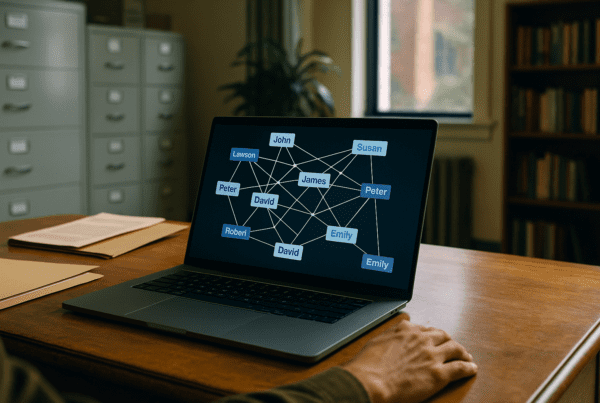
One tricky aspect of combining virtual identities with official records is managing fragmentation. Many people maintain several online profiles across platforms that do not perfectly overlap or consistently reflect one another. When digital verification tries to link these fragments together with official records, mismatches, duplicates, and gaps can appear.
This fragmentation makes it difficult to assemble a unified, trustworthy view of an individual’s identity. Techniques like probabilistic matching and artificial intelligence try to draw connections across diverse datasets, yet uncertainties remain. False positives and negatives occur because virtual and official identities may shift independently or suffer from errors and delays in updates.
It is also worth noting that some virtual identities exist as deliberate pseudonyms or personas rather than direct mappings of official identities. Verification methods have to learn when to separate these from data that should be directly linked and verified. Even advanced systems cannot fully replace human judgment in many cases, underscoring the ongoing need for critical evaluation in digital verification workflows.
The Role of Public Records in Anchoring Digital Identity
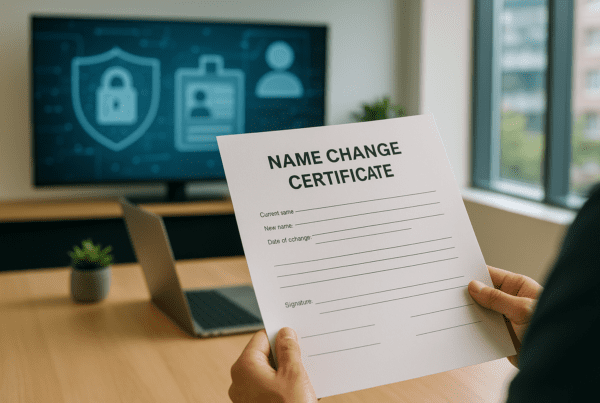
Despite the complications, official records remain a critical cornerstone for digital identity verification. Data from government sources such as birth certificates, driver licenses, court records, and utility bills act as anchors providing legitimacy and reliability. These documents usually undergo rigorous identity proofing before they enter the public record ecosystem.
As virtual identities grow ever more complex and multifaceted, official records provide a reference point for reconciliation. Technologies like digital IDs, blockchain-based identity solutions, and government-backed databases aim to strengthen this link by controlling access and ensuring accuracy. The key is to integrate virtual identity data thoughtfully without compromising the firmness of traditional records.
Public records also serve as legal proof points when disputes arise over identity or access. They help establish continuity and trace historical identity events that virtual profiles might not capture. This layered approach, where digital traces meet authoritative documentation, forms a more resilient verification framework than relying on either source alone.
Looking Across the Horizon for Digital Verification
The merging of public virtual identities with official records pushes us toward a future where identity is more fluid yet simultaneously demand more precision. This intersection raises fundamental questions about how society values privacy, what trust looks like in a digital age, and how regulations should evolve to keep pace with technology’s spread.
Innovations in identity verification are exploring biometric checks, behavioral analytics, and decentralized identity models. Each tries to address the challenges of linking virtual presences with tangible, official credentials but also brings new considerations on fairness, accessibility, and control.
As digital identity increasingly underpins everything from banking to healthcare to voting, the conversation continues. People search services and public record aggregators observe how these trends unfold, helping clarify the mechanics and implications of digital identity verification, one piece of data at a time.
The landscape is far from static, and understanding the overlaps and gaps between public virtual identities and official records remains an essential pursuit for anyone interested in digital privacy and trust.
Given the evolving nature of this topic, keep an eye on changes in regulatory frameworks and emerging technologies. They will shape how we think, protect, and verify identity in the years ahead.
For a deeper dive into how public records support identity verification, consider resources like the National Institute of Standards and Technology’s digital identity guidelines and the Federal Trade Commission’s advice on protecting consumer information.
Similarly, privacy advocacy organizations highlight emerging risks and advocate for stronger protections around virtual identity data, reflecting the ongoing balancing act between innovation and privacy rights.
This is a space where careful observation and thoughtful analysis uncover the real story behind the numbers and profiles. It is not just about data points, but how they connect, evolve, and influence everyday trust.
As we navigate this complex intersection, it remains clear that neither virtual personas nor official records alone can fully capture a person’s identity in the digital age. Together, they offer a fuller, more nuanced picture-one that demands attention and respect.
Sources and Helpful Links
- National Institute of Standards and Technology digital identity guidelines – Technical guidance on securing and verifying digital identities.
- Federal Trade Commission data privacy and security resources – Consumer protection information related to digital identity privacy.
- Electronic Frontier Foundation on digital identity – Analysis and advocacy for protecting privacy in the digital identity space.
- The Identity Project – Public advocacy and education on identity rights, privacy, and digital verification.