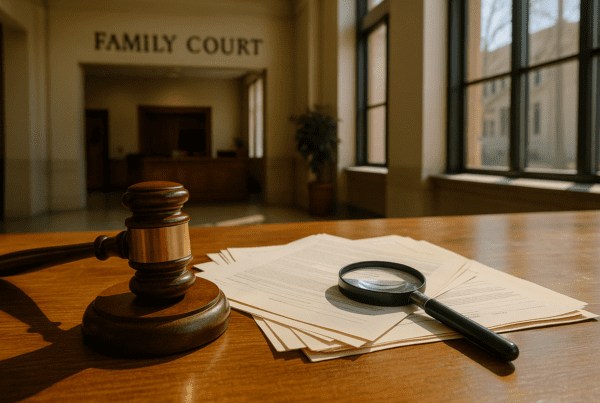
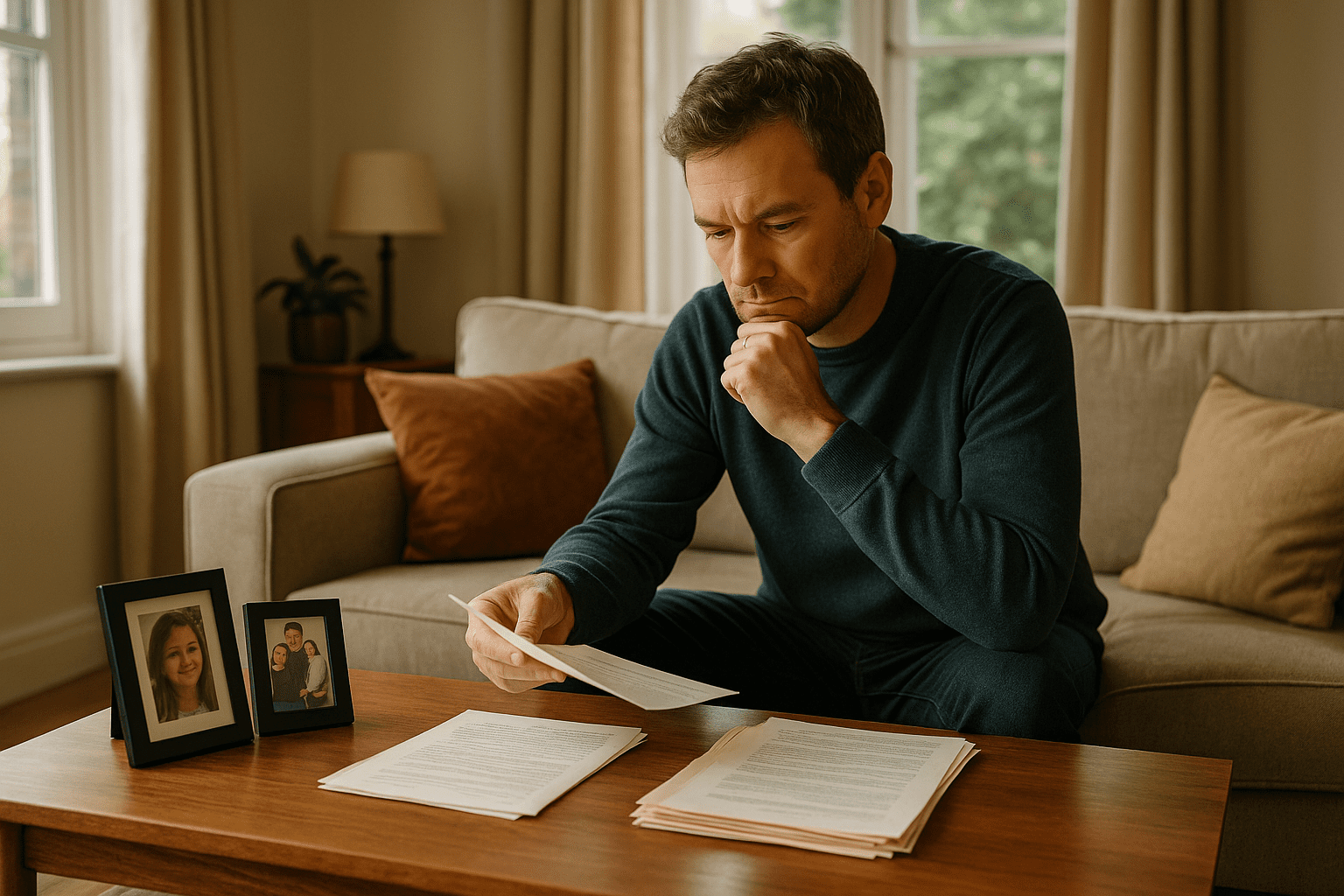
When family history involves divorce, the search for relatives can carry layers of concern, curiosity, and sometimes confusion. Divorce records themselves might seem like straightforward files related to the breakdown of a marriage, but for those diving into family searches, these documents often raise deeper questions than just legal status. What emerges is a blend of wanting to understand family dynamics, piece together relationships, or simply find someone lost to time and circumstance.
Looking Beyond the Court Paperwork
Divorce records hold more than the final settlement or custody arrangements. They serve as snapshots of how people’s lives and connections were officially rearranged. Searchers often wonder about the implications of these records for their broader understanding of the family. Was there a history of other marriages? Children listed only briefly in paperwork? Addresses where someone lived during or after the split? These details can be clues that lead to uncovering new family branches or confirming existing threads.
Public access to divorce records varies by state and jurisdiction, but many include critical identity details like full names, dates of birth, marriages, and sometimes information about children. Even simple mentions can spark questions about how individuals moved through their personal histories, reshaping family trees or filling in blanks where oral histories fall short. For example, a birth date tied to a former spouse in a divorce file might confirm or contradict assumptions about timelines in a family’s past.
The Question of Hidden Connections and Step-Family Ties
One subtle but powerful reason people check divorce records is to understand step-family relationships or blended family situations. These records may name stepchildren, or list previous spouses and their details, connecting dots that are not always clear in casual discussion or genealogical charts. Searchers may find themselves wondering who entered or exited the family picture at different points and how that shaped family identity.
This can be especially true when working through family disputes, inheritance questions, or simply the wish to understand relationships that were sometimes complicated or unofficial. Divorce records offer glimpses into those threads. They reveal how legal definitions of family evolve, even if emotional connections are more fluid or messy. The legal ending of a marriage might not capture ongoing support, visitation patterns, or informal bonds, but the record at least establishes a formal chapter in the family story.
Why Current Location and Contact Matter
Many who sift through divorce records hope to discover current whereabouts or contact possibilities for relatives. Those divorced often shift addresses, move in with new partners, or change their names back to a maiden or former name. The record can serve as a starting point in tracking a person’s public history, especially when combined with other data sources like property records, phone directories, or social media.
One challenge is that divorce files rarely contain up-to-date contact information but do include known addresses during the case. Researchers often piece this together alongside address history data to form a rough timeline of where a person lived and possibly still lives. This is the kind of information a people search tool or public record aggregator might clarify by cross-referencing multiple records across government filings and publicly available data.
The Emotional Undercurrents Embedded in the Search
Behind practical questions about names and locations, many searches prompt more personal and often unspoken feelings. Divorce can fragment family history and relationships, creating gaps or sensitive spaces that searchers try to navigate gently. Sometimes people seek out family members after years of silence, hoping for reconciliation or closure. Other times, the search is about confirming what was already suspected but not acknowledged openly.
It is common for users of public records to wrestle with the tension between public information and private emotion. Divorce records are public by law, yet the stories they represent are intimate. This duality shapes how people approach searching and handling the findings. The knowledge that these are not just dry legal documents but echoes of lived experiences often guides the mindset around what questions feel important and how answers are weighed.
Legal Rights and Family Structures in a Changing Landscape
The legal frameworks encapsulated in divorce records also raise questions about rights that affect family members. Custody arrangements and child support details, for example, reveal not only the status of a marriage but ongoing obligations and responsibilities between people. For those trying to piece together who has legal standing or where children were placed, this information can be critical.
Over time, laws and policies around divorce have shifted, reflecting changing social norms around divorce and family. People searching for family members might notice differences in older versus newer records or question why some information appears in one case but not another. The way the law recognizes or structures families underpins what is visible in public records and thus shapes what questions a searcher might ask.
Understanding the regulatory environment can help make sense of what is found and what is missing. This is especially true when trying to confirm lineage for genealogy or inheritance purposes or when assessing the reliability and completeness of the records themselves.
When turning to resources for these searches, people often use sites aggregating public records or government portals that specifically provide access to divorce documentation. Combining those with background checks or court record databases can enlarge the scope of the search. Awareness of privacy laws that govern access is also important to navigate communities and states with differing rules.
By seeing divorce records as more than just file numbers or dates, searchers enter a richer investigation of family identity, history, and connection. The questions explore the past and present simultaneously, grounded in legal facts but often unfolding into human stories that reflect change, continuity, loss, and hope.
Some online services gather and verify data from divorce filings and related court documents while respecting privacy limitations. These tools help reveal confirmed facts without speculation, allowing users to form a clearer picture of family networks alongside other public records like marriage or birth certificates. For those researching genealogy or attempting to reconnect, such clarity is invaluable.
While these records do not capture the full emotional or relational spectrum, they mark lines that families trace across years and life events. Whether searching for estranged siblings, verifying parentage, or simply understanding past family dynamics, divorce records add a distinctive layer to the complex tapestry of family histories uncovered through public data.
Efforts to find family members through divorce files often highlight how legal threads intersect with personal narratives. It is precisely this combination that shapes what people really question when they approach these records – who belongs, where they went, and what stories remain to be told.
For those interested in following such searches, reputable online resources like United States Courts public records provide official access points. Other platforms such as FamilySearch add genealogical context that often complements divorce records well. Additionally, guides on privacy and legal rights from Privacy Rights Clearinghouse can help users understand the ethical aspects of accessing and using family data.
These combined tools enable a search grounded not only in paperwork but also in respect for the real people behind the records, highlighting the human dimension that lies at the heart of visits to divorce records in the pursuit of family understanding.
Sources and Helpful Links
- United States Courts public records – Official portal for accessing federal court records including divorce cases.
- FamilySearch – A free genealogical resource offering access to a wide range of family history data.
- Privacy Rights Clearinghouse – Information on privacy laws and ethical considerations regarding public record access.