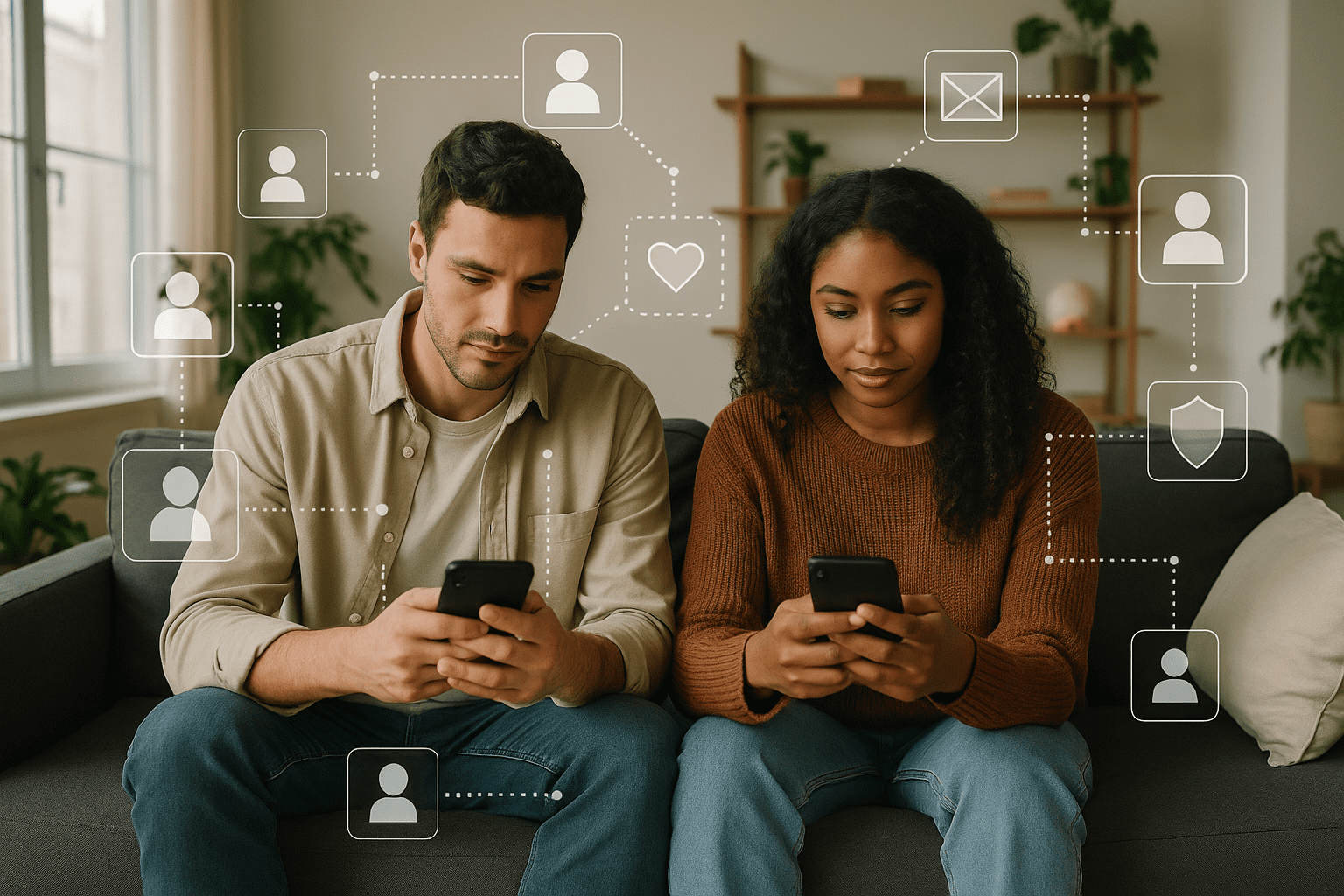
The internet has shifted how many people search for connection, with online dating becoming a mainstream way to meet others. Yet, this digital dance comes with questions around who is really behind the profile and how much trust can be safely extended. Public data is emerging quietly in the background as one way to add a layer of verification to these connections. It does not replace human judgment or emotional reading, but it offers clues that can illuminate the often unavoidable veil of uncertainty in online relationships.
Signals Beyond the Profile Bio
Profiles on dating platforms often tell a curated story, controlled by what someone chooses to share. However, mismatches and inconsistencies sometimes emerge as red flags to careful eyes. This is where public data offers a subtle but real advantage. Information from public records, such as address histories or contact links, can reveal longevity or stability in a person’s background that profile pictures and self-written details might not convey in isolation.
For example, finding that a name aligns with locally registered voting records or property filings can hint that someone is not fabricating their identity or location entirely. Sometimes, addresses linked to a phone number or an individual can be cross-checked through public directories, lending a tangible aspect to an otherwise intangible online connection. These data points, while not definitive proof of sincerity or compatibility, ground the interaction in a shared reality rather than pure digital fantasy.
The Balance Between Privacy and Transparency
There is a delicate tension between wanting to verify information and respecting personal privacy. Public data sits in this ambivalent space where availability does not always equate to straightforward or ethical use. Most people online do not expect their address histories or court records to be casually trawled by a date after a match. Yet, the availability of such data reflects a societal trade-off where transparency has grown exponentially due to how records are digitized and shared.
Dating platforms themselves do not commonly provide direct access to public data sources for verification. Instead, individuals sometimes turn to independent services or manual searches to cross-reference what they see. This can feel intrusive or unnerving but stems from a desire to protect oneself in a landscape where misrepresentation or deception occasionally surfaces. There is no universal standard here, and community norms around what constitutes acceptable verification continue to evolve quietly.
When Public Records Agree and When They Don’t
Cross-referencing public data is not a magic solution. Records can be outdated, incomplete, or even inaccurate. People move, change names, and new records may not keep pace with those life movements. A mismatch between profile information and public data might reveal harmless errors or suboptimal updates rather than malicious intent. Likewise, some individuals have common names that lead to confusing or overlapping records.
It takes patience and critical thought to interpret such data without jumping to conclusions. Public data is often best seen as part of a mosaic rather than the sole piece defining truth. Observing discrepancies might instead inspire questions and conversations, helping two people understand each other better beyond online profiles. Recognizing the limits and potential errors in public records encourages humility as much as caution.
Building a Foundation of Cautious Trust Online
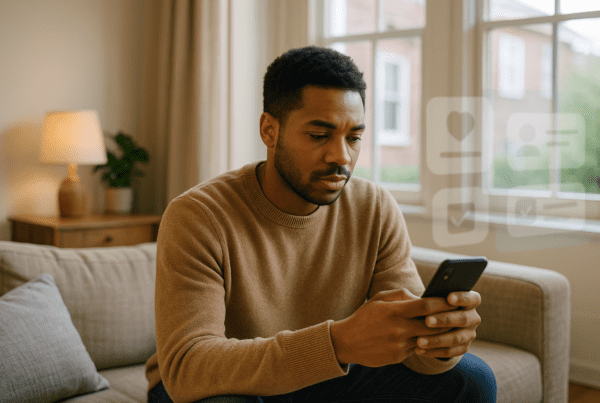
Many people using dating apps come with the hope of forming meaningful connections but cautious about who to believe. In this environment, public data underlines how identity verification is more complex than it first appears. While it may affirm certain claims or expose falsehoods, it rarely replaces the need for dialogue, observation, and time.
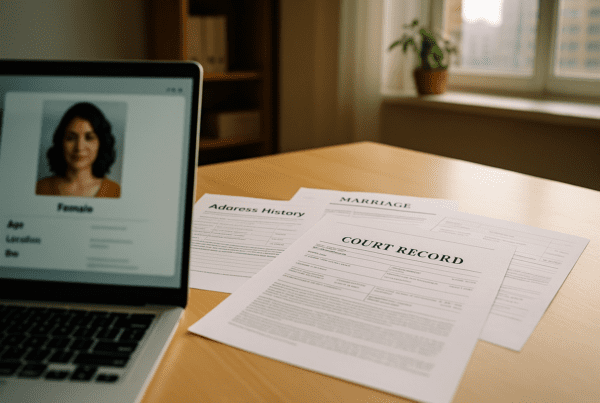
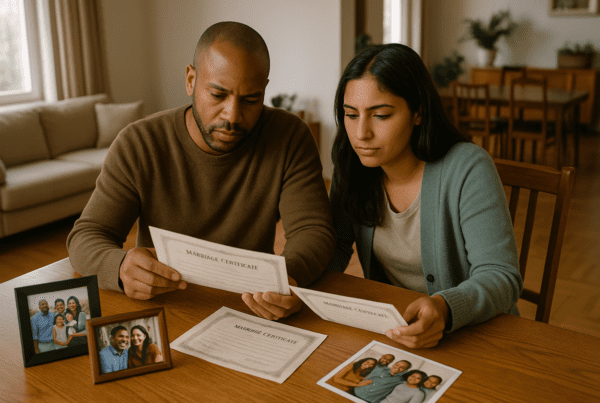
Practical use of public data may involve checking addresses, phone numbers, or past marriage and court history through verified sources. Services like the Federal Communications Commission’s guidance on phone number data or local government public records portals can provide starting points. Such information helps users confirm surface details and spot inconsistencies without needing invasive digging.
Ultimately, public data offers a backdrop rather than a spotlight in online dating. It can frame conversations with realism, showing which parts of a narrative align with public identity markers, and where further inquiry or caution might be warranted. Within the larger process of relationship building, seen through personal exchanges, shared experiences, and emotional attunement, public data is a factual brushstroke helping color the picture honestly.
Noticing Patterns Beyond Individual Cases
Beyond single interactions, the broader use of public data reveals patterns about the digital dating landscape. Some demographics may be more cautious about sharing personal details, while others might have more publicly accessible records due to their work or life situations. In aggregate, this influences how different groups experience dating apps and approach verification differently.
Privacy advocates point out the risks of misusing or over-relying on public data for personal verification. Yet, as dating becomes more global and more digitally mediated, people have sought practical ways to manage trust. The surge in platforms offering background checks or identity verification services reflects this demand. While not always perfect, these services pull from public data as a foundation.
Observing how public data integrates into these new trust-building tools gives a glimpse into how relationship verification is evolving. It shows a world where online and offline information mingle, where identity is traced through an intricate web of records, contacts, and actions rather than a single static profile. The ultimate human endeavor remains connection, but the supporting infrastructure now includes a vast flow of accessible public data, influencing how safe or confident those connections feel.
As the process continues to develop, it will be worth watching how users balance privacy, trust, and transparency in dating, and how public data fits into that ongoing story.
Sources and Helpful Links
- Federal Communications Commission phone number data guide, explaining how phone data is managed and verified in digital communications
- USA.gov public records resources, offering access to various government records suitable for identity verification purposes
- Federal Trade Commission advice on background checks, guidance about safely using public information for personal checks
- Pew Research Center on online dating facts, providing context about dating trends and behaviors including digital verification