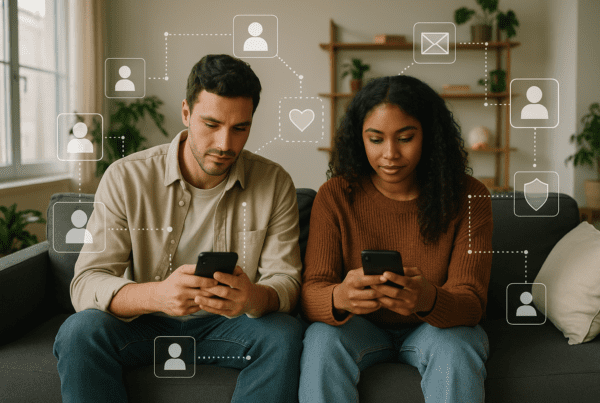
Dating online is entrenched in modern culture, transforming how people meet and connect. Yet the risks remain tangible, from fake profiles crafting deceptive stories to more damaging scams that can target personal finances and identities. As these platforms evolve, introducing enhanced digital ID verification has emerged as a significant approach intended to bolster safety and strengthen confidence among users.
Who Can You Really Trust When Profiles Multiply
The question of trust underlies every swipe and message on dating apps. It lingers quietly, often unnoticed until a red flag appears, like conflicting details or overly polished photos. This uncertainty was a longstanding issue as platforms initially leaned on basics such as email validation or a phone number check, actions now often seen as insufficient against sophisticated identity fraud.
Awareness has grown as more users shared digital lives and personal details, making the stakes higher. Even well-intentioned people find themselves cautious, operating with a mix of hope and skepticism. The traditional safety net of user reports and community moderation provided some relief but never fully stemmed the tide of deception.
The Promise and Pitfalls of More Stringent Checks
Enhanced digital ID verification draws on a range of technologies often linked to biometric data, government-issued documents, and real-time cross-referencing. Facial recognition tools, for example, compare selfies to official IDs, while systems may connect users’ details against public records or watch for patterns flagged in identity fraud databases.
This layered scrutiny aims to establish a firmer basis for authenticity. It urges platforms and users toward transparency, pushing back against anonymity that scammers once exploited with ease. Yet this progress introduces new anxieties around privacy. Users hesitate, wondering how much control they retain over sensitive information and what safeguards preserve their data from breaches or misuse.
Notably, some dating sites strike a balance by allowing users to verify once and toggle visibility of their verified status, letting them control disclosure without sacrificing the protective benefits verification offers. Innovations like this illustrate the ongoing negotiation between safety and personal privacy.
Privacy Concerns Intersect With Broad Security Questions
With data breaches frequent in many sectors, handing over photocopies or biometric scans to a dating app can feel unsettling. Platforms increasingly clarify their data policies, offering transparency on encryption methods, storage duration, and third-party access. These disclosures function as reassurance that verification is not an invitation to surveillance but a shield against imposters and scams.
Yet, enhancing security is not just a technical task. It requires cultivating user trust through openness, and respecting user choices on how verification data is presented or hidden. For many, the psychological comfort that verified badges bring is significant, but it must be tethered to clear, trusted data stewardship.
How Verification Reshapes Online Interactions
The ripple effects of verification extend beyond safety alone. When profiles carry verified icons, users often feel more confident in initiating and maintaining conversations, shifting the atmosphere to one less shadowed by doubt. This can promote more authentic engagement, raising the quality of connection attempts.
Still, verification is imperfect. A badge signals that a person matched their identification at some point but does not guard fully against deceitful behavior post-verification or sophisticated scams that manipulate users emotionally. Continuous innovation in community reporting, behavioral AI, and user education remain essential to complement verification systems.
For many users, the presence of ID verification reduces anxiety around sharing personal details, leading to more openness in messaging and timely decisions about meeting in person. It helps tilt the balance towards genuine connection while acknowledging risk remains on the table.
Beyond Verification: Changing Norms in Digital Dating
The movement toward enhanced digital ID checks reflects wider cultural shifts. Early online dating culture was dominated by caution, even suspicion. Increasingly, users blend healthy skepticism with an expectation that platforms provide tools to help identify authenticity. This presents an opportunity for dating apps to evolve from purely transactional matchmakers to stewards of user safety.
Platforms are responding with not only technical tools but also community resources that educate users on spotting scams and navigating online relationships safely. User onboarding routines now often incorporate security at the start, encouraging good digital habits along with establishing profiles.
This convergence of technology and user behavior points toward a landscape where safeguards are baked into the dating experience, shaping the environment rather than feeling like an add-on. The human element remains central, but it is now supported by a clearer framework aimed at fostering trust and reducing harm.
Observing this evolution offers insight into how online dating is grappling with the complexities of identity in digital spaces. This intersection of verification and privacy, safety and openness, changes not only how people connect but how they define what trust means in a world where identities can be simultaneously fragile and multifaceted.
For those curious to understand the range of verification tools and their impact, Tinder’s explanation of their verification process offers a direct look at popular practices. Meanwhile, sites like the National Cyber Security Alliance’s Stay Safe Online provide broader guidance on protecting digital identities. The Federal Trade Commission also maintains resources highlighting risks and safety practices in the evolving landscape of identity theft and online interaction.
Ultimately, the shift toward enhanced digital ID verification on dating platforms underlines how changes designed to protect users ripple across their experience. They influence willingness to share, openness to new connections, and the sense that behind profiles are people using tools to better safeguard themselves in a fast-changing digital courtship.
Sources and Helpful Links
- Tinder Verification – Details on the verification process to ensure authentic profiles on the platform.
- Stay Safe Online – Guidance on identity theft and protecting digital life provided by the National Cyber Security Alliance.
- Federal Trade Commission on Identity Theft – Official resources on preventing identity theft and navigating online safety.