Online dating platforms and matchmaking services continue to change how people meet and build relationships. The convenience and reach they offer have attracted millions, but they also open channels for deception that can leave users vulnerable. While profiles give glimpses into someone’s life, they are often curated, sometimes fabricated, and prone to hiding inconvenient truths. This makes public records a quietly powerful resource, offering an anchor of reality amid the polished stories of online profiles.
Seeing Beyond the Profile’s Surface
Profiles on dating sites might look thorough, but they rarely tell the whole story. It is common for scam artists to steal photographs from other sources or create entirely fictitious identities with compelling backstories. These fabricated personas exist to exploit trust, financial generosity, or emotional investment. The challenge arises because users usually make snap decisions based on limited information, swayed by appealing photos and flattering descriptions.
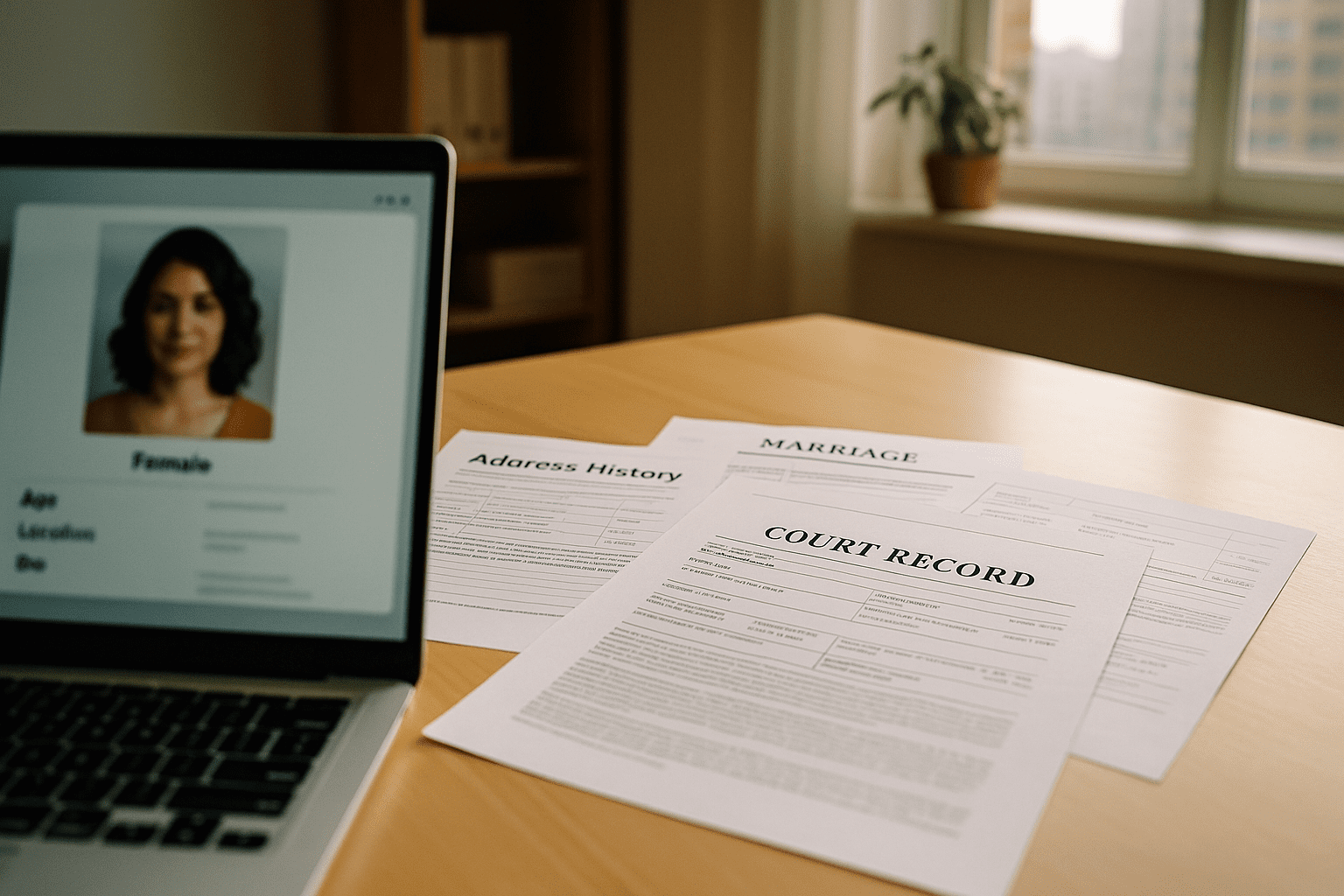
Public records can strip away some of this ambiguity by furnishing factual data points. These might include pinpointing an individual’s residential history, verifying whether documented relationships such as marriages or divorces align with profile claims, or revealing any pertinent legal records. For example, identifying a criminal record that matches a profile’s name and location can be a crucial red flag for those seeking trustworthy connections.
This layering of information supports decisions that go beyond surface impressions. Websites like USA.gov provide portals to these records in many states, allowing users to independently check facts. However, not all platforms make this easy or possible, which leaves room to consider how public data more broadly could enhance safety measures industry-wide.
The Challenges of Using Public Records Effectively
The accessibility and clarity of public records vary widely. While some jurisdictions maintain detailed and up-to-date online databases, others rely on physical archives or fragmented systems that complicate retrieval. Even when data is obtained, interpreting it can be confusing. Legal terminology and incomplete entries might lead to misunderstandings or wrongful assumptions about a person’s character or situation.
Privacy concerns shadow the use of these records as well. While technically public, the information contained may expose sensitive history, including financial struggles, lawsuits, or family matters. This creates ethical considerations about how far someone should go in background digging and how this data is managed, especially without explicit consent from the person investigated. Organizations like the Federal Trade Commission address some of these complexities, offering guidance on balancing consumer protection with privacy rights.
Another practical limitation is the timeliness of data. Changes in address, name, or legal status may not reflect immediately, leading to outdated or misleading conclusions. These gaps imply that relying solely on public records without corroborating information carries risks of its own.
Public Records Within a Larger Trust Framework
While no method can guarantee complete protection against fraud, public records are an essential piece of a larger puzzle in verifying identities. Many dating services now experiment with incorporating background verification as an option for users. Services that couple profile information with real-world data offer participants reassurance and help set expectations for transparency.
Such integration supports users in building informed trust rather than blind hope. When users see consistency between multiple data points like address history and social media footprints, it strengthens credibility. Conversely, inconsistencies flagged by a public records check might invite caution.
Public records also complement technological advances like biometric verification and AI-based fraud detection. While these technologies operate on different principles, they all contribute to a layered defense against deception by validating the authenticity of profiles and communications.
A Human Element Amid Digital Connections
Ultimately, public records cannot replace the nuance of human judgment in relationships. They provide clues and factual anchors but do not explain character, trustworthiness, or intention. Online dating requires users to apply common sense, open dialogue, and careful observation alongside any background checks.
Knowing how to access and interpret public records gives users another tool in their search, making murky profiles less opaque. It widens the lens through which one understands who they might be connecting with, supporting decisions that feel safer and more deliberate.
The growing availability of public data invites reflection on how transparency and privacy coexist. As dating increasingly occurs in digital spaces where identity can be carefully constructed or manipulated, real-world history documented in public records remains a dependable reference point. This is essential for reducing fraud risks and ultimately fostering digital trust.
Sources and Helpful Links
- Federal Trade Commission – Information on common online dating scams and consumer resources
- USA.gov Public Records – Guide to accessing various public records across states
- FTC on Romance Scams – Detailed descriptions of tactics scammers use in online dating environments
- Privacy Rights Clearinghouse – Advice on privacy and ethical use of public data