Address history might often be dismissed as a basic administrative detail, tucked away in the folds of one’s civic records. But when these address trails are gathered and examined on a broad scale, they sketch a story far richer than simple location changes. They show the pulse of urban life as neighborhoods evolve, economies shift, and communities transform. Tracking the movements of residents through their address histories provides a subtle yet revealing view into the processes of urban gentrification and migration, a story told quietly through where people live and how often they move.
Reading the signals beneath the surface of moving
Every change of address carries a hint of personal or social narrative. Some moves happen because of clear reasons, like new jobs, family adjustments, or housing affordability. Yet, when these moves are aggregated, patterns emerge that hint at wider community transformation. In many cities, the departure of long-time inhabitants alongside the arrival of newer, often wealthier residents marks the early signs of gentrification processes reshaping neighborhoods. This shuffle in residency reflects deeper socioeconomic currents rather than just individual choices.
Socioeconomic variations become apparent when analyzing move distances and timing. Those with higher incomes may relocate further and seek out areas primed for redevelopment or cultural renewal. Conversely, residents with fewer financial resources frequently move shorter distances but do so more often, pushed by rent increases and housing shortages. These contrasting address histories reflect the tension between newcomers attracted by rising amenities and long-term populations facing displacement pressures. Such data also reveal the unequal experience of mobility and stability within the same urban environment.
Sometimes moves coincide with particular urban cycles, such as when artists or younger professionals initially settle in undervalued neighborhoods because of affordability, only to be followed by commercial development and rising property values forcing them out. The dance of arrival and departure mapped through address histories is a dynamic illustration of how gentrification can simultaneously bring renewal and displacement.
The neighborhood’s story told by data points
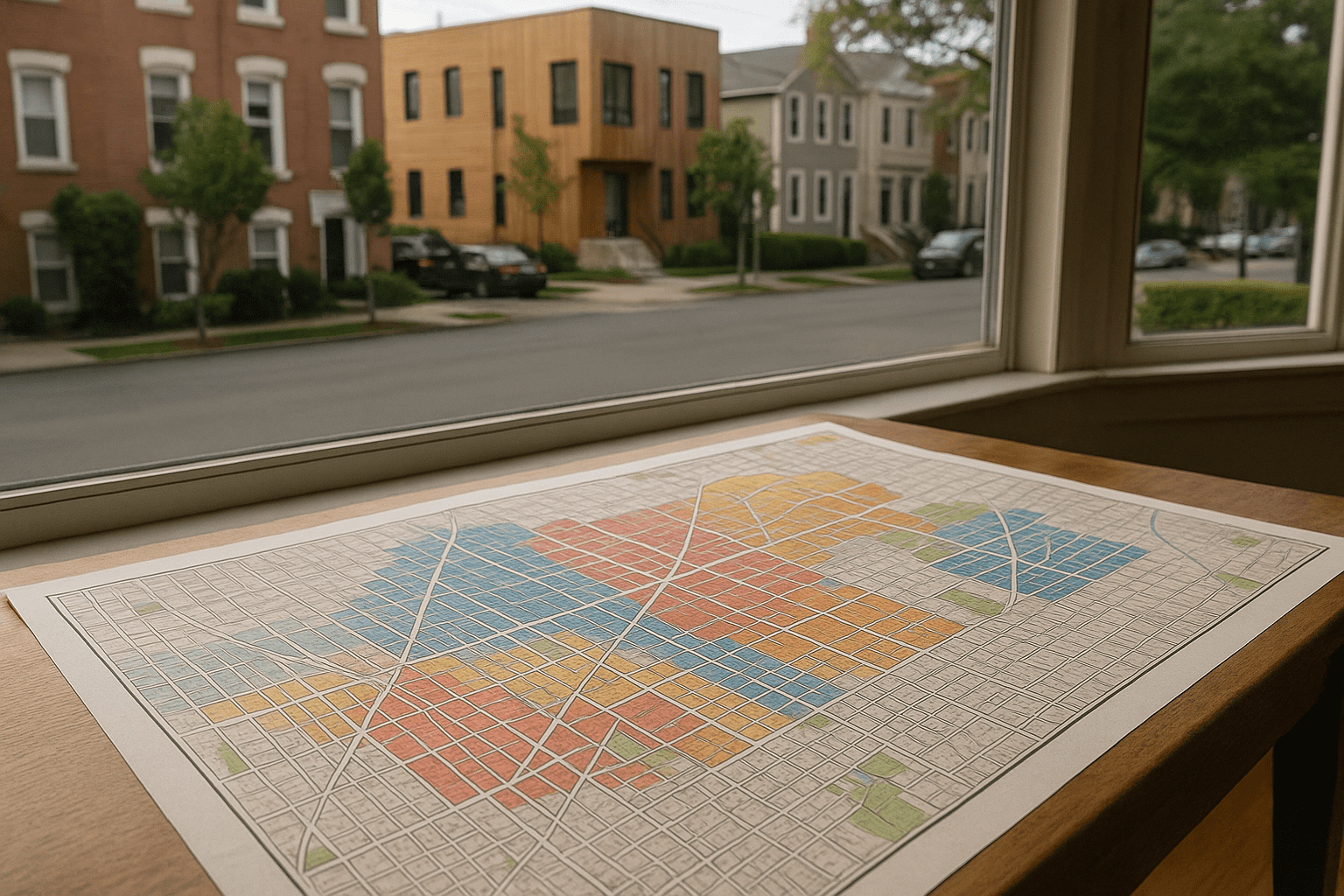
Address history data, when combined with property and census records, creates a layered picture of neighborhood change. Rising property values, spikes in renovation permits, and increasing turnover rates often accompany moving patterns to paint a fuller image of gentrification’s footprint. Neighborhoods that once held long-term, stable residents may become increasingly transient as older inhabitants move away or sell, while new arrivals bring different lifestyles, economic backgrounds, and housing preferences.
The shift in population composition seen in the data can be striking. Newcomers might favor proximity to transit, arts districts, or trendy retail, indicators of urban renewal appealing to certain demographics. Meanwhile, displaced residents tend to settle in city outskirts or suburbs, areas where housing costs remain lower but community and cultural ties may be harder to maintain. This spatial rearrangement shows the intertwined effect of economic pressure and changing preferences for urban living, illustrating a form of urban churn that reshapes social networks and neighborhood identity.
Public records that trace address histories alongside building permit activities or census demographics highlight not just who is moving but how neighborhoods transform physically and culturally. Gentrification can mean improved infrastructure, but also loss of affordable housing and community displacement. This complex mosaic emerges most clearly when multiple data sources converge, with addresses providing a key thread in the overall narrative.
Looking beyond gentrification: broader urban mobility
Address histories do more than reveal gentrification patterns; they illustrate broader dynamics of urban mobility. Traditionally, cities have attracted migrants seeking opportunity and new beginnings. Today’s movement patterns are shaped by more complex factors, including jobs, family needs, education, and lifestyle desires stretching beyond local moves to intercity and even interstate relocations.
Changes in work patterns, especially the rise of remote work, have introduced new variables. Some urban residents now move to less dense or more affordable neighborhoods without severing ties to city networks, reflecting shifting priorities balancing cost, access, and lifestyle. Others might relocate frequently within the city, resulting in shorter residence durations visible in address histories. These trends signal evolving ways urban populations respond to social, technological, and economic changes.
Beyond personal choices, migration patterns also respond to policies, market shifts, and infrastructure developments. In this light, address histories become markers of collective adaptation, showing how urban dwellers negotiate housing scarcity, transportation availability, and community belonging.
The balance of insight and privacy in address data
Address history is a valuable resource for understanding urban change but requires responsible management to protect individual privacy. The aggregation of location data across populations can reveal trends and social dynamics, yet this must be balanced with respect for the confidentiality of personal information. Providers and users of such data have a duty to handle records carefully to prevent misuse or unwarranted exposure.
For individuals, address histories serve as more than just administrative records. They can help reconnect people with past neighborhoods or inform genealogical research, stitching together fragments of personal and community history. At the same time, collective analysis of address patterns illuminates broader demographic and economic shifts quietly occurring within cities.
Understanding the power and limits of address history data ensures it continues to serve as a tool for insight rather than intrusion. With evolving privacy frameworks and continued public awareness, the ethical use of such data will remain an important consideration in urban studies and people search practices.
Ultimately, address history patterns offer a window into the shifting social fabric of cities. They illuminate not only who moves where and why, but also how neighborhoods physically and culturally evolve. The data uncovers stories of growth, displacement, renewal, and resilience embedded in the very places people call home.
For those interested in the intersection of address history with urban trends, the U.S. Census Geography Program provides vital datasets reflecting population and housing changes over time. The U.S. Department of Housing and Urban Development hosts research exploring urban development, residential turnover, and gentrification dynamics. Privacy considerations and responsible data use can be further explored at the Privacy Rights Clearinghouse, which offers clear guidance on protecting personal information.
These resources ground the patterns in address history data with context and ethical frameworks, highlighting their value while respecting the individuals behind the records.
Sources and Helpful Links
- U.S. Census Geography Program – Offers rich data on population and housing trends used to interpret address history patterns.
- U.S. Department of Housing and Urban Development – Provides research and resources on urban development and gentrification.
- Privacy Rights Clearinghouse – Explains rights and best practices related to personal data privacy and protection.