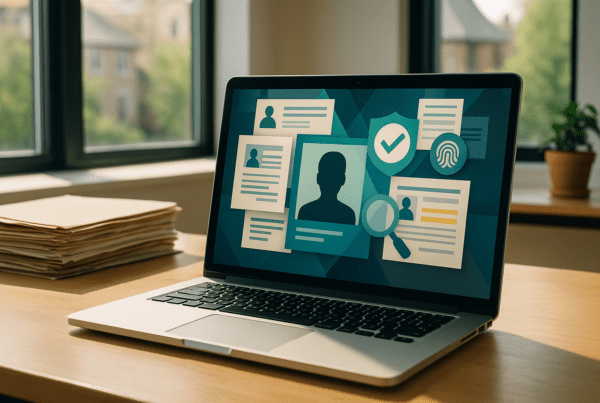
The expanding presence of biometric data in the digital landscape reflects more than a passing trend. It connects to deep-rooted demands for identity verification methods stronger and more reliable than traditional passwords or pins. Fingerprints, facial recognition, iris scans, and voice patterns have become key ways to prove identity, bringing both convenience and complex challenges.
Uniqueness as a foundation for trust
What sets biometric data apart is its inherent uniqueness. Unlike passwords or access codes, which can be lost, forgotten, or stolen, biometric identifiers are tied intimately to the individual. This persistent, physical connection to identity appeals in various scenarios, from unlocking smartphones to authorizing financial transactions or controlling facility access.
This shift emerges from frustration with passwords, which frequently cause user inconvenience and are susceptible to hacking or social manipulation. Biometrics offer a more seamless experience on the user side, while providing an additional layer of security at the system level. The approach feels personal, rooted in traits that cannot be reassigned or duplicated easily.
Privacy tensions amid growing biometric use
Pushing biometric data into more aspects of digital life brings tension between convenience and privacy. Unlike other personal data, biometric information is bound permanently to the person. Where a password can be reset after a breach, compromised biometric data may expose someone for life, since those traits do not change.
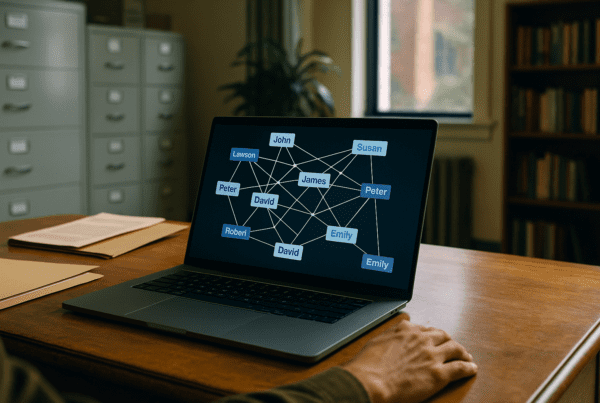
Many biometric systems connect these identifiers to larger identity databases, which may also include public records such as addresses, legal names, or contact information. This integration can speed up verification but raises concerns about how data is shared and who controls it. Questions around consent, transparency, and governance grow more pressing as these systems expand.
Legal frameworks like the European Union’s General Data Protection Regulation (GDPR) have started setting requirements for biometric data protection, stressing user rights and strict handling standards. Yet, implementation and enforcement vary globally. Depending on where one lives, protections might be inconsistent or insufficient, creating potential vulnerabilities.
Complexities on the security front
While biometric authentication strengthens security, it is not without risks. Fraudsters have found ways to spoof biometric scanners using photos, masks, or synthetic fingerprints. These incidents have pushed developers to design more sophisticated systems that verify liveness, such as detecting blinking or subtle movements, or adopting multi-factor authentication that combines biometrics with another credential.
Another security challenge is the inability to revoke biometric data like one can reset a password. If sensor data stored in databases is stolen or leaked, victims have limited recourse. This reality demands that organizations encrypt biometric information strongly both in transit and storage and carefully design system architecture. Some advocate for decentralized or on-device biometric storage to reduce hacking risks associated with centralized databases.
Shifts in everyday user experience
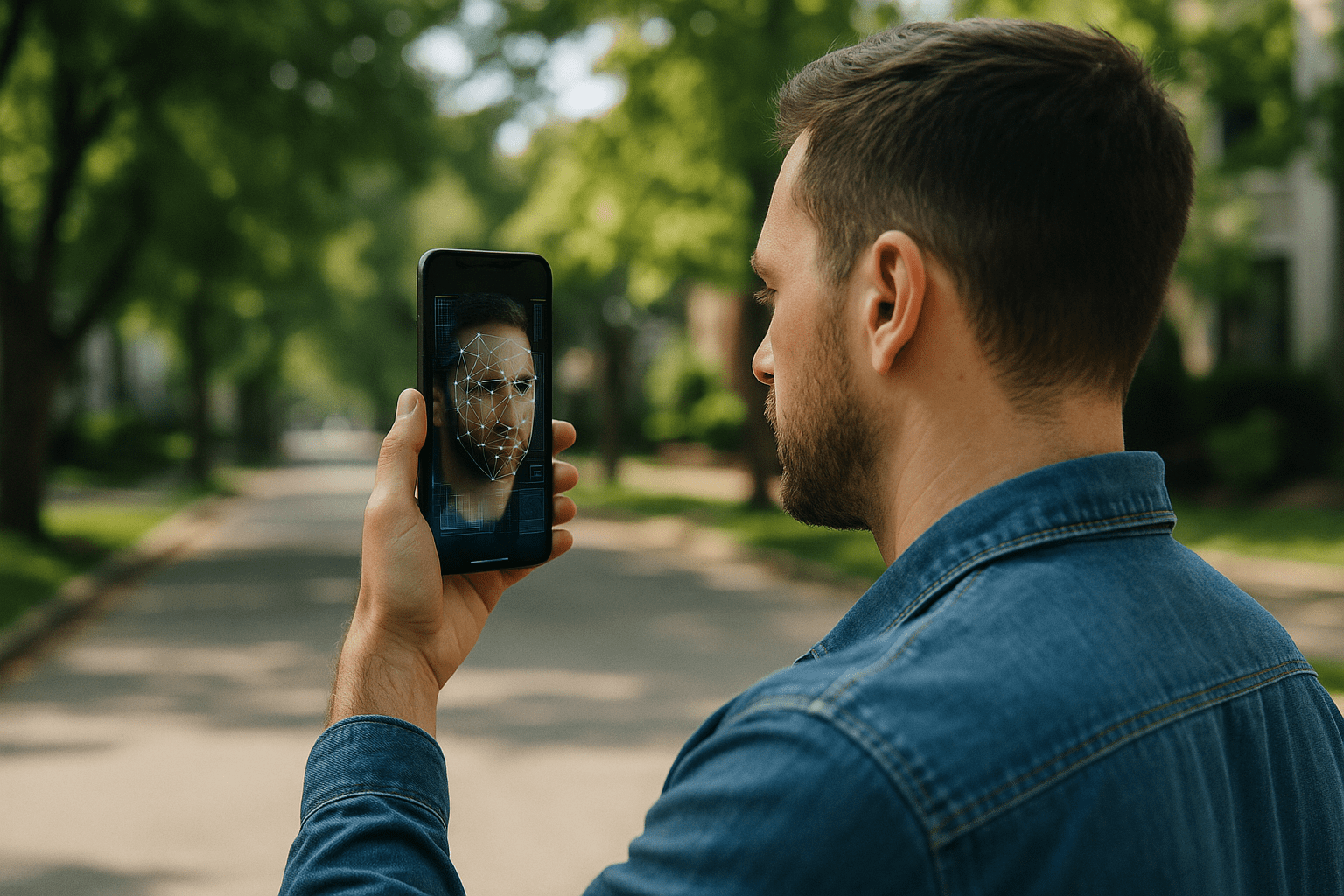
Biometric verification is reshaping how people interact with their digital devices and services. Convenience is a major benefit. Logging into an account or confirming identity happens faster and often without needing to remember complex passwords. Features like facial recognition on smartphones or voice authentication for customer support add immediacy and simplicity.
However, not everyone’s biometric data is captured equally well. Lighting conditions, injuries, aging, or physical differences can affect recognition accuracy, potentially leading to rejection or the need for fallback verification. These nuances highlight that biometric methods should complement, not replace, a range of verification tools to ensure accessibility and fairness.
The growing use of biometric data also changes expectations for device manufacturers and service providers. Consumers increasingly expect not only speed but also transparency about how their biometric information is stored and used. This shift nudges companies to communicate clearly and address concerns proactively, thus building user trust.
Looking toward the future of biometric identity
Biometric technology continues evolving, intersecting with advances in artificial intelligence and distributed ledger technologies. AI improves pattern recognition and uncovers suspicious behaviors, strengthening fraud prevention. Meanwhile, blockchain and decentralized identities have the potential to give individuals greater control over their biometric data without relying on central authorities.
The potential for biometric data to support self-sovereign identity models is an area drawing increasing interest. Instead of storing biometric details in centralized databases vulnerable to hacking and misuse, decentralized systems aim to keep data on the user’s device, sharing only verification proofs rather than raw biometric information. This approach promises more privacy but also raises new technical and governance challenges.
Various stakeholders, including industry groups and regulators, seek to develop interoperable standards and best practices. These efforts aim to make biometric technology more reliable and trustworthy, ensuring it serves as an effective link in digital identity systems rather than creating new vulnerabilities. Public discussion remains active about how to balance innovation with fundamental rights in this evolving landscape.
For those interested in practical explanations and detailed guidance, resources like the National Institute of Standards and Technology Biometrics Program provide research and standards. Privacy advocates such as the Electronic Frontier Foundation discuss risks and rights around biometric use. The International Biometrics + Identity Association offers industry perspectives on innovation and policy developments.
As biometric verification grows more common, understanding its realities and limitations helps users navigate digital identity verification thoughtfully. It presents an ongoing balance, between embracing new technologies that make life easier and protecting privacy and security fundamentals in a complex digital world.
Sources and Helpful Links
- National Institute of Standards and Technology Biometrics Program – Offers detailed research and guidelines on biometric technologies and standards.
- Electronic Frontier Foundation on Biometrics – Provides analysis on privacy concerns and user rights related to biometric data.
- International Biometrics + Identity Association – Industry insights and news focused on biometric identity innovation and policy.