
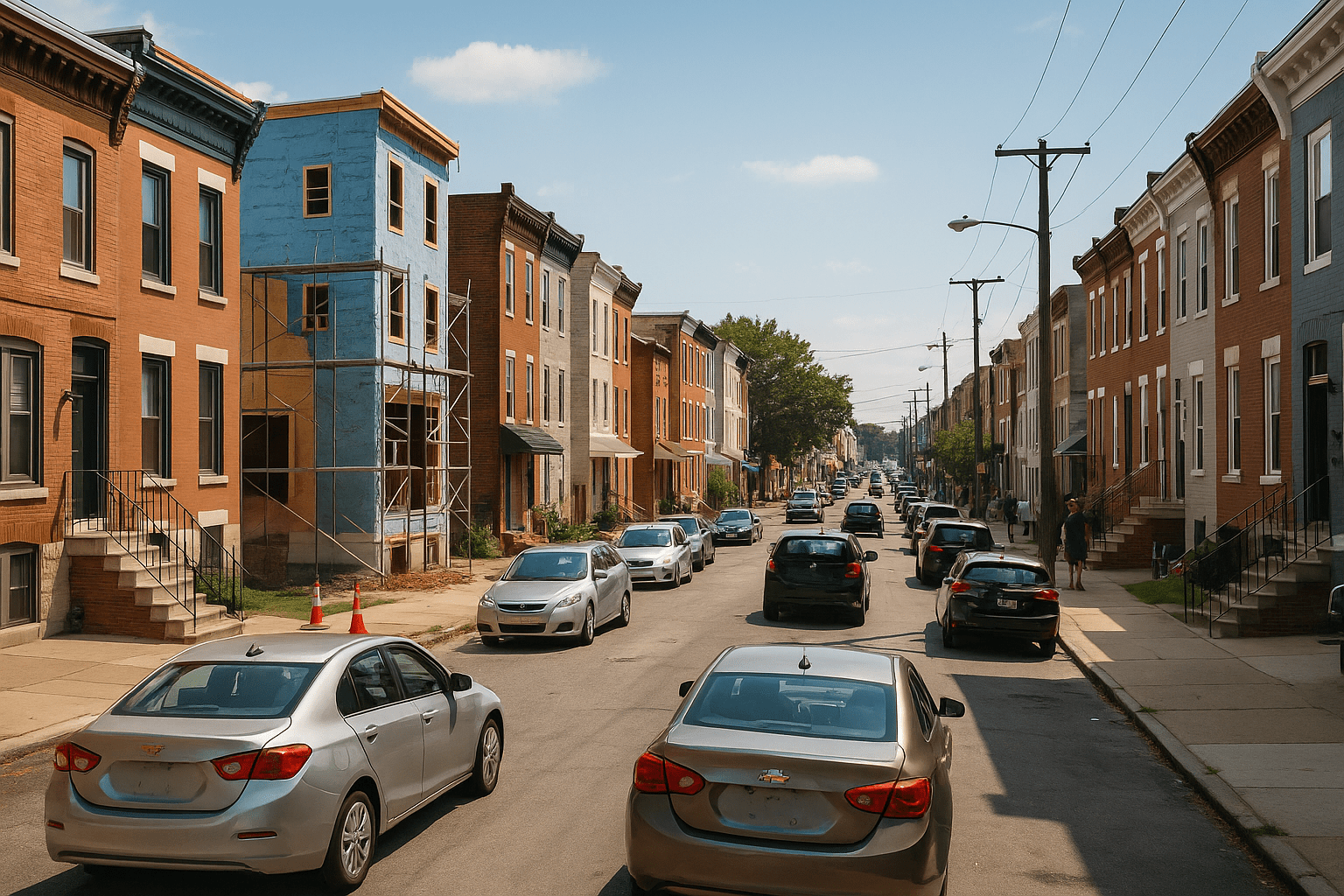
Address histories have long been treated as simple logs tied to individual movement, but taken together, they reveal a far more intricate story of how cities breathe and evolve. Each recorded change of address marks more than a personal decision, it is a subtle, data-rich thread in the larger fabric of urban population shifts and neighborhood redefinition.
City Life Traced Through Where People Live
On their surface, address histories might feel impersonal, almost sterile records devoid of context. Yet when viewed collectively, they illuminate ongoing population currents. For example, a boom in new addresses in a suburban area hints at outward movement from metropolitan centers, a pattern alive with implications for urban planners and policymakers. Conversely, growing residential counts downtown reveal stories of renewal, investment, or even gentrification that ripple through the social landscape.
By examining the tempo and geography of moves, it becomes possible to see where stability holds and where communities turn over more rapidly. Neighborhoods with steady address patterns sometimes indicate established populations, possibly older or longer-term residents, while places showing high churn might be grappling with displacement or economic pressures. The patterns not only represent locational change but also demographic and socioeconomic shifts visible in migration flows.
Address Histories Mirroring Bigger Population Dynamics
Public address records often reflect overarching population trends captured by official sources like the American Community Survey. Metropolitan expansion aligns with increasing entries from new housing developments in suburban fringes, painting a picture that confirms the spread of urban sprawl. Meanwhile, older industrial cities may show a dip or plateau in address activity downtown, echoing documented population declines or transitions.
What these histories do, however, is add color to census snapshots by highlighting who moves and where. Younger adults, often tied to employment or schooling, generate more frequent moves visible in specific ZIP codes. Tracking family units and multiple households unveils how growth or shrinkage in one neighborhood impacts adjacent areas, revealing webs of demographic ripple effects that reach beyond simple headcounts.
Population groups defined by income, ethnicity, or age also leave different mobility footprints. For instance, rising diversity in suburbs may be reflected in address histories alongside changing school district enrollments and housing stock. Such granular insights go beyond what traditional surveys capture, emphasizing the value of address data in ongoing urban demographic conversations.
More Than Population Counts: Mobility Within the Urban Fabric
While census figures give snapshots of where people live on a given day, address histories fill in gaps about movement patterns often missed in those periodic counts. Temporary housing, short-term rentals, and seasonal relocations come to light by analyzing the duration and timing of address records. These nuances shape the dynamic character of cities as they fluctuate based on economic cycles, social trends, and lifestyle preferences.
Furthermore, address data intersects with issues like housing affordability. High turnover rates indicate areas where rental instability might push residents to move more frequently, reflecting economic stress points. In contrast, long-term occupancy zones may denote stability or hint at obstacles that prevent residents from relocating even when change might be desired.
Real estate and urban planning decisions, seen through property transactions, building permits, and rental registrations, often provide the reasons behind these population movements, making address data a critical piece of understanding urban transformation in real time. For example, the rise of short-term rental platforms has altered the traditional patterns of neighborhood residency, introducing new fluctuations in address histories that mirror changing housing market dynamics.
Neighborhood Change Seen Up Close Through Public Records
The more granular patterns uncovered by address histories offer fascinating narratives of urban change at the neighborhood level. During phases of gentrification or development, address data frequently shows an influx of new residents coinciding with long-time dwellers moving away. This movement is rarely uniform, often happening unevenly even within single city blocks where demographics can shift dramatically between adjacent streets.
Public property records tied to ownership changes, combined with address histories, allow a layered look at the forces of displacement, investment, and economic regeneration in play. City officials and researchers increasingly use these linked sources to track neighborhood vitality, revealing which areas attract newcomers and which struggle to retain their populations. This approach can surface early warnings of displacement or identify districts undergoing revitalization without losing historical roots.
Regions with inconsistent or erratic address history patterns often correspond to transient populations or indicate areas where data may be incomplete, inviting further investigation into the causes behind apparent instability. Efforts to improve data quality through digital record integration and collaboration among agencies have grown, trying to bridge gaps and provide a clearer picture of urban movement.
Balancing Insight With Caution in Address Data Interpretation
Address histories require thoughtful analysis. Not all moves reflect sweeping urban shifts, many arise from very personal effects or isolated circumstances. Additionally, the quality and completeness of data depend on collection methods and privacy safeguards, limiting what can be confidently inferred. The rise of digital data and privacy regulations adds both new opportunities and challenges in how address records are compiled and shared.
Integrating address histories with authoritative census data, municipal reports, and demographic research, like those available through the U.S. Department of Housing and Urban Development, bolsters their interpretative value. Together, these resources help sketch a well-rounded view that respects the complexity behind even the simplest change of address. They also remind us to view data as a complement to the lived experiences and stories that numbers alone cannot fully capture.
Ultimately, address histories collectively archive a lived experience of cities: people moving, neighborhoods transforming, and urban landscapes evolving. They offer a human dimension to population data, grounded in the places people call home and those they leave behind. The layers of movement visible through these histories reflect a city’s history as it is rewritten day by day.
Looking at Urban Change Through the Lens of Movement
Address histories serve as quiet narrators of how cities shift and grow. Watching these patterns unfold over years reveals the pulse of urban life, how economic realities, social forces, and individual choices shape where people settle or move onward. While they can highlight broad shifts, the stories remain rooted in everyday lives lived within neighborhoods, making data on past addresses a valuable window into the nature of contemporary urban change.
Along with traditional sources, these histories also underscore how migration within cities contributes to layers of complexity in demographic patterns. Urban planners and researchers must consider this dynamism when crafting policies or interventions to support community resilience and inclusion.
Sources and Helpful Links
- American Community Survey – Statistical insights into population and housing changes across the U.S.
- U.S. Department of Housing and Urban Development – Data and research focused on housing, economic opportunity, and urban communities.
- Environmental Protection Agency Green Infrastructure – Information on sustainable urban development impacting population distribution.
- Urban Institute Metropolitan Housing and Communities Center – Research on urban housing trends and community change.