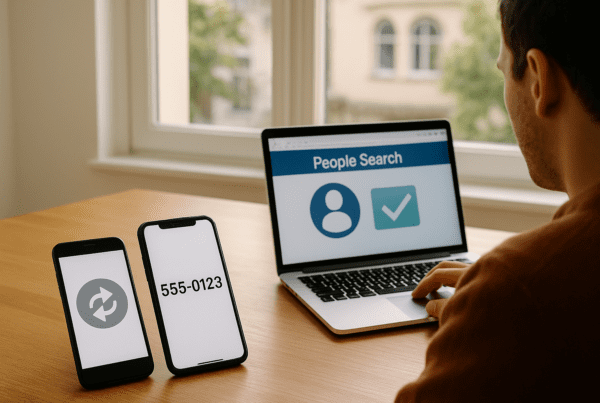
Phone numbers are one of the most enduring digital identifiers used by millions every day, yet few pause to consider what happens when those numbers pass from one user to another. The practice of recycling phone numbers by service providers is not new, but its impact on identity verification and related security processes has grown more pronounced in recent years. This phenomenon invites a closer look at how such recycling affects the digital trust landscape, what risks it introduces, and how individuals and businesses adjust over time.
The Lifespan of a Phone Number and Why Recycling Occurs
At its core, phone number recycling is a resource management strategy for telecommunications providers. There are only so many ten-digit combinations available, especially within popular area codes, and as people move, change carriers, or discontinue services, those numbers may lie dormant for a period before being reassigned to new users. While this seems like a straightforward practical necessity, the practice unwittingly complicates identity verification that relies heavily on phone numbers as a trusted signal of individual identity.
Typically, carriers impose a quarantine period before recycling a number in order to allow disconnections to clear from databases and to prevent quick overlaps. Still, the window for potential mix-ups or fraud remains. For example, if an individual’s phone number is reassigned and remains linked to previous accounts online, the new holder might receive sensitive phone calls, two-factor authentication codes, or even scams aimed at the prior owner. This blurring of identity lines can erode trust in verification steps that depend on phone number ownership.
Shifting Patterns of Identity and Verification
Verification processes have leaned heavily on phone numbers in recent decades, especially with the rise of SMS-based two-factor authentication (2FA) and account recovery methods through text messaging. This reliance positions phone numbers as digital entry points, but the recycling trend reveals cracks in that foundation. Observers note a growing mismatch between phone number ownership and the persistence of identity claims tied to those numbers.
One effect is an uptick in verification failures or unintended account access. When a number changes hands, the new user may find themselves receiving alerts or codes meant for the previous user, further complicating efforts to disentangle digital identities. This is not merely a technical inconvenience; financial accounts, social media profiles, and even governmental systems often use phone numbers as quick identity validators. The lag in updating records or clearing previous associations creates a porous boundary for identity assurance.
Platforms aware of these risks are adapting. Some have introduced more sophisticated verification options supplementing phone numbers with biometric data, hardware tokens, or in-app approval prompts. Others are beginning to flag recycled numbers or weigh their trustworthiness differently during identity checks. These trends suggest that while phone numbers remain central, the data ecosystem around identity proofing is evolving to meet this challenge.
The Broader Consequences for Privacy and Security
Beyond verification headaches, the recycling of phone numbers feeds into larger concerns about privacy and data security. Previous account holders may leave behind digital footprints tied closely to a number including payment information, account recovery contacts, or personal messages. When these numbers cycle to new hands, questions arise about inadvertent data exposure or unauthorized access. While laws like the Telephone Consumer Protection Act in the US require consent before contacting numbers, enforcement and compliance can be murky when numbers change owners.
Moreover, scammers often exploit recycled numbers to perpetrate voice phishing or spoofing attacks, knowing that these numbers may still carry perceived legitimacy from business or personal associations. This scenario introduces additional layers of threat, particularly for users unaware that their new number once belonged to someone else with different digital ties. Increasingly, companies and consumers alike are learning that phone number ownership is more fluid than it appears, and security models must adjust accordingly.
What This Means for Everyday Users and Businesses
For individual users, phone number recycling serves as a cautionary tale about the limits of relying on a single identifier for digital identity. It underscores the importance of regularly reviewing account security, updating recovery information promptly, and considering multi-factor approaches that do not depend solely on phone numbers. As the digital landscape grows ever more interconnected, the fallout of number reuse will continue influencing how personal identity is managed online.
Businesses that depend on phone-based verification are finding themselves at a crossroads. Many are investing in identity solutions that integrate device information, behavioral patterns, and additional authentication layers to reduce risk. Customer education also plays a role as organizations work to inform users about potential pitfalls if numbers are recycled or reassigned. Even routine customer service interactions can become complex when numbers are recycled and accounts change hands.
Interestingly, the dynamic of phone number cycling also reflects broader themes in public data usage and identity representation. It reveals the tension between technological convenience and the complex realities of human mobility and data persistence. By paying closer attention to these trends, both consumers and enterprises navigate evolving challenges with greater awareness and resilience.
For those interested in learning more about how phone numbers interact with identity verification and public records, resources like the Federal Communications Commission’s guide on phone number reassignment and the Privacy Rights Clearinghouse on phone scams provide useful insights.
Additionally, exploration of identity verification practices at scale, such as those discussed by the National Institute of Standards and Technology’s digital identity program, highlights ongoing efforts to strengthen trust in a world where simple, numeric identifiers like phone numbers rarely tell the full story.
This evolving interplay between number recycling and identity verification reminds us that what might seem like a routine telecommunications feature carries significant consequences for the way personal data and security are experienced in daily digital life.
Sources and Helpful Links
- Federal Communications Commission’s guide on phone number reassignment, explaining how number recycling works and related protections.
- Privacy Rights Clearinghouse on phone scams, discussing scams related to phone numbers including recycled ones.
- National Institute of Standards and Technology digital identity program, outlining standards and research around identity verification methods.
- Federal Trade Commission’s resource on stopping unwanted calls, offering ongoing advice about phone number security and unsolicited communications.