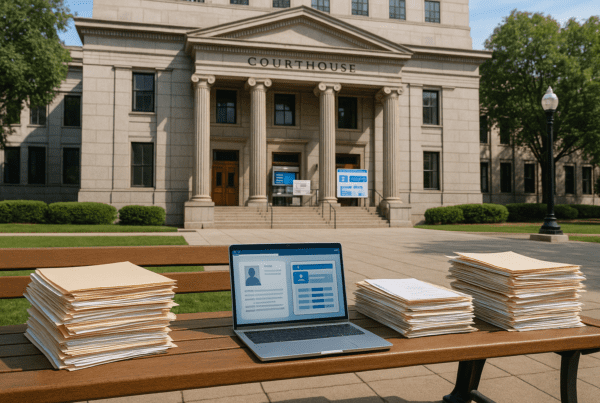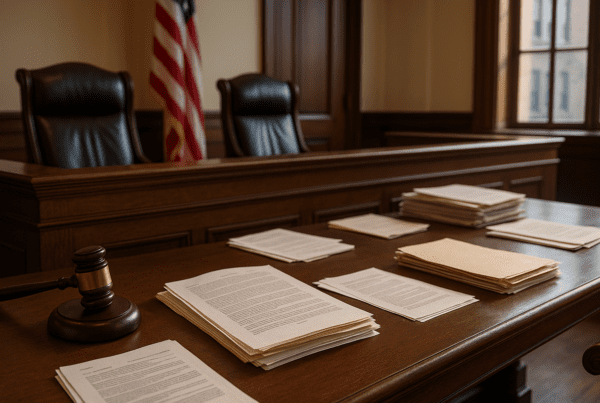

Many observe that juvenile court records sit uncomfortably at the intersection of transparency and privacy. The desire for openness in the legal system meets the protective intent designed to shield young individuals from potential life-long consequences of youthful missteps. This tension reveals itself in how these records are handled, shared, or kept confidential across jurisdictions.
Balancing Public Interest and Individual Privacy
Historically, juvenile proceedings were intended to be less public than adult court cases, inspired by a rehabilitative rather than punitive approach. This principle led to restrictions on public access to juvenile records in many states, reflecting a recognition that public exposure can shape future opportunities in education, employment, and social inclusion. Yet, the public’s right to know about court activities-especially concerning serious offenses-often prompts debate about how much access is appropriate.
Legal frameworks vary widely. Some states allow broader access depending on the severity of the offense or if certain conditions are met, while others strictly limit availability to protect minors’ identities and privacy. These laws create a patchwork of rules that complicate information sharing both within government agencies and to the public. For researchers, journalists, and even families seeking transparency, this patchwork can be confusing and, at times, frustrating.
The Risks of Public Exposure and Digital Distribution
Beyond the courtroom, the digital age complicates the picture further. When juvenile records are accessible online, even inadvertently, they can be copied, shared, and used in ways not originally intended by the courts. The permanence of digital data raises concerns about the long-term impact on youths whose records become part of a public digital footprint.
This exposure can provoke significant consequences, such as social stigma, harassment, or barriers to reintegration. The ethical question arises about the extent to which these harms are acceptable in light of transparency or public safety interests. Moreover, there is an ongoing discussion about the responsibilities of websites and data brokers that distribute such information without sufficient controls or context.
Legal Safeguards and Challenges to Enforcement
Laws aimed at protecting juvenile records often include provisions to seal or expunge records after certain criteria are met, allowing individuals a chance to move forward unencumbered by past records. However, enforcement of these protections can be inconsistent. Sometimes outdated records remain online or resurface years later through public databases, complicating the legal promise of privacy restoration.
The enforcement challenge also touches on the technical and bureaucratic capabilities of agencies tasked with controlling access, as well as the public’s understanding of their rights and the procedures available for record correction or sealing. In some instances, lack of awareness leads to underutilization of protections, leaving juveniles unexpectedly vulnerable to exposure.
The Ethical Dimensions in Information Sharing
Ethics in sharing juvenile court information goes beyond legal compliance. It involves considering the social and human impact of releasing sensitive information about minors. Professionals dealing with such data-whether in the media, public agencies, or data services-grapple with questions about responsible disclosure.
For example, should details about juvenile offenses that were nonviolent and decades old be accessible to employers or third parties collecting data online? Does public safety justify sharing such records? These questions lack straightforward answers and vary by community standards, legal interpretations, and evolving societal views on youth rehabilitation and privacy.
The Tensions Within Transparency Movements
Advocates for transparency argue that public access to court records supports accountability and deters crime. Yet when it comes to juveniles, transparency can conflict with the very goal of the juvenile justice system to foster second chances. This duality challenges policymakers who must weigh the long-term social costs against immediate benefits of open records.
Many jurisdictions continue to examine reforms in how juvenile information is managed, sometimes considering restricted partial releases or anonymized data sets that satisfy public interest without harming individual privacy. The evolving nature of this issue highlights the persistent difficulty in balancing competing values in the justice and information ecosystems.
Ultimately, observing how various regions navigate these legal and ethical complexities reveals larger cultural attitudes toward youth, justice, and privacy. It also underscores the importance of carefully crafted policies that respect individual rights without forgoing legitimate public interests.
For those seeking information on juvenile court records, resources offering guidance include official state courts websites, legal aid organizations, and privacy advocacy groups, all helping clarify which records might be accessed, by whom and under what conditions. These sources can help demystify a system that often feels opaque and uneven.
Curiosity about juvenile records often intersects with larger questions about how society values fairness, rehabilitation, and transparency. Watching how this balance shifts sheds light on broader themes at the heart of public records and identity management.
In our times, with data more accessible and portable than ever, the lessons from juvenile court record handling remind us of the continuing need for care and thoughtful oversight as technology reshapes the flow of sensitive information.
For a grounded understanding and to explore current policies and practices, consider consulting sources such as The National Institute of Justice on Juvenile Courts, which offers research and policy analysis on these issues. In addition, Privacy Rights Clearinghouse provides insights into the privacy implications and protections related to juvenile records. State-specific guidance, such as that from the Oregon Department of Justice, offers practical details about sealing juvenile court records in particular jurisdictions.
These resources contribute perspective grounded in real-world policies and observations rather than assumptions, reinforcing the importance of balancing legal and ethical concerns in public record sharing.
Sources and Helpful Links
- The National Institute of Justice on Juvenile Courts, research and policy on juvenile justice processes and transparency
- Privacy Rights Clearinghouse, explanations of privacy issues and juvenile record protections
- Oregon Department of Justice on Sealing Juvenile Records, official guidance on juvenile record expungement