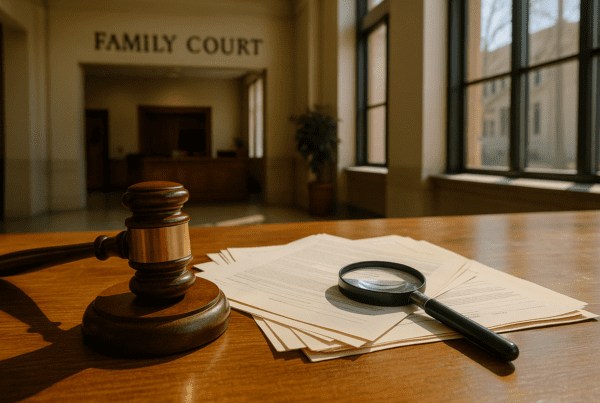
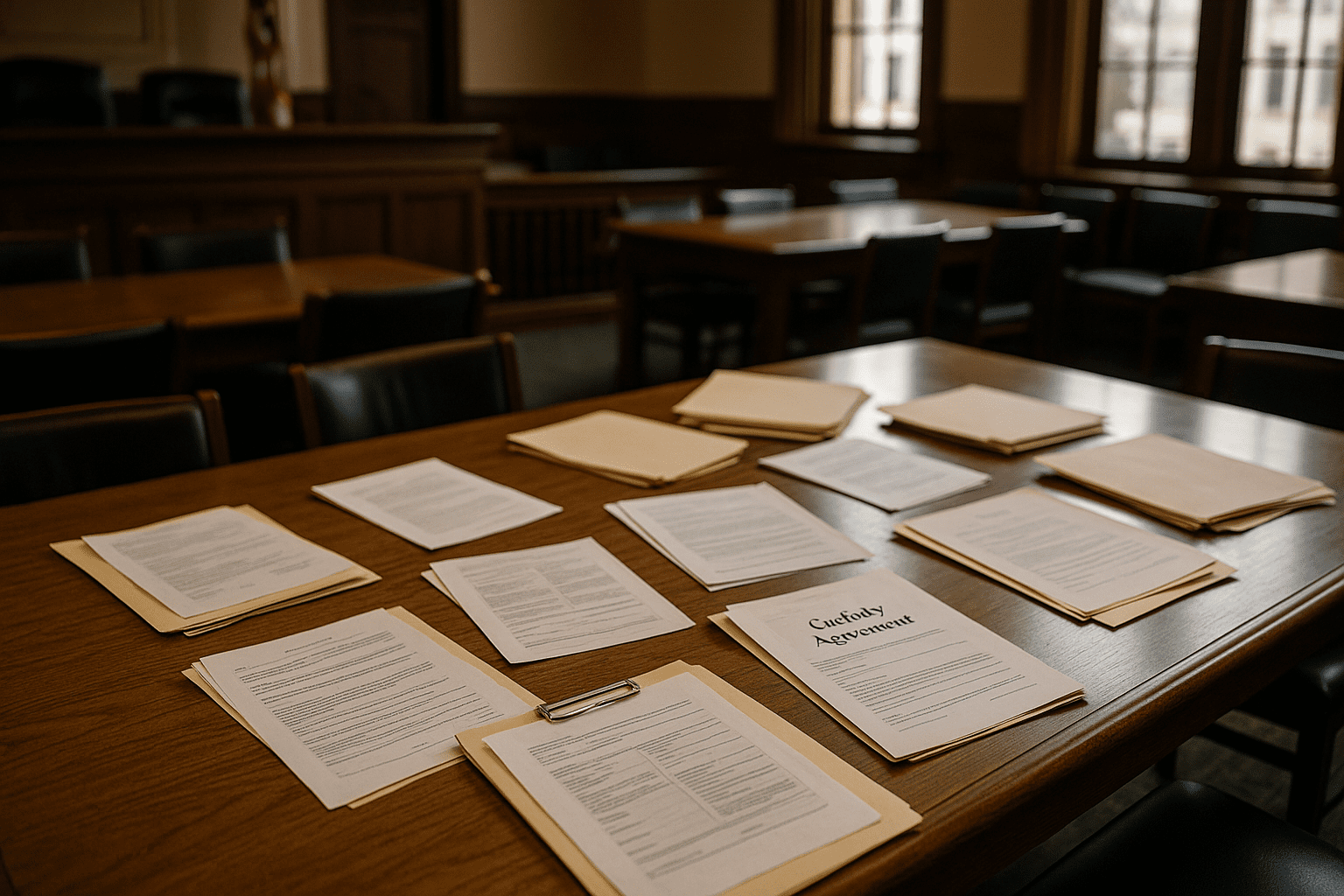
Custody disputes touch on intensely personal aspects of family life while also intersecting with public systems that maintain records. The role public records play in these situations brings a grounded, often overlooked perspective to the process of verification during custody cases. These records provide threads of factual data that courts, families, and legal professionals navigate to build or contest narratives about custody arrangements.
Looking Beyond Court Documents
When most people think about custody disputes, the immediate image might be court hearings and legal exchanges. Yet public records extend far beyond court rulings. Birth certificates, marriage and divorce records, residential histories, and even sometimes school enrollment documents come together to create a fuller picture. These records offer more than formal judgments; they capture the ongoing history relevant to a child27s upbringing and stability, which courts weigh carefully.
For instance, residential addresses documented in public records play a crucial role. Stability of residence often factors into decisions about a child27s best interest. Address history offers independent verification to claims parents might make about where a child has lived or spent significant time. While such records have limits in showing context24like living conditions or family dynamics24their presence helps ground decisions in facts that can be checked and traced.
Alongside physical addresses, other public records like utility bills or voter registrations held in public databases can sometimes inform the true location of family members, providing a glimpse beyond official documents. By piecing together various public sources, a more reliable portrait of a child27s daily environment emerges, often pivotal in custody rulings.
The Interplay of Different Record Types
Custody verification typically requires triangulating information from multiple sources. Public records intersect with other forms of evidence, such as medical or school records. The marriage or divorce date on a certificate harmonized with birth records and court filings, for example, clarifies timelines that make or break certain claims within custody disputes.
Also, public records can reveal the presence of other parties legally related to a child, such as relatives with custodial rights or guardianship. This is especially important in complex family structures or where custody contests involve extended family members. Without clarity from public records, verifying who has legal interests can become difficult, muddying any custody outcomes.
In some cases, public records reveal previous custody orders or modifications, which provide insight into the family27s legal history. These documents often offer a framework to understand how custody has evolved over time and which parties have had involvement, shaping current decisions.
Privacy and Accessibility Considerations
Though public records are accessible, they are not always straightforward to obtain or interpret. Privacy laws affect what is publicly available and what requires authorization or proof of legitimate interest. This balance between transparency and privacy can shape how effectively custody disputes are verified through public sources.
For example, certain court documents might be sealed or only available to involved parties, limiting public access. Jurisdictions vary widely in their approach to privacy protections which means that the availability of some records depends heavily on local regulations. This patchwork system can lead to uneven visibility for those trying to verify custody claims.
Additionally, the quality of public records varies depending on jurisdiction and record keeping practices. Errors, outdated information, or incomplete datasets can lead to challenges in custody verifications. Professionals often advise approaching public records with a layer of caution, corroborating information across several sources before arriving at significant conclusions.
Moreover, digital record-keeping systems have improved access but also pose challenges such as data breaches or unauthorized use, which in turn affect how individuals view the security of their personal and family information. The tension between openness and protection remains central in discussions about the future of public records and their role in sensitive family matters.
A Living System Reflecting Real Life
Behind the pages of public records lies a dynamic ecosystem that reflects ongoing life events. Custody disputes bring this system to the fore, showing how carefully preserved personal histories serve judicial and social functions. It also highlights the human realities24behind dates and names, there are children and families navigating sometimes difficult circumstances.
In this regard, one can see public records not as mere bureaucratic artifacts but as tools that, while imperfect, support deliberations aimed at child welfare and fairness. Their verification role in custody disagreements echoes broader societal purposes of record keeping: preserving an accessible, accountable history of who people are in relation to one another.
Understanding the use and limitations of public records in custody verification encourages more informed discussions. It invites recognizing that these recorded facts are just part of a much larger context that shapes outcomes in family law cases.
For those involved in custody disputes, whether legal professionals or family members, appreciating the nuances of public records may reduce some confusion and foster clearer paths through the complexity. Meanwhile, as data systems evolve and regulations adapt, the relationship between public records and custody verification is likely to continue to develop, reflecting changes in technology, privacy norms, and social expectations.
It remains useful to observe this evolving relationship with a grounded perspective, acknowledging the balance of facts, rights, and practical realities that inform every custody dispute.
More detailed insights can be found through resources like the Federal Judiciary27s family law information or Child Welfare Information Gateway27s exploration of state policies. These provide deeper context into how custody issues interact with public record use and legal frameworks.
For those researching specific cases or genealogical ties, agencies like the National Archives offer guidance on accessing relevant vital records, while privacy-centric organizations such as Privacy Rights Clearinghouse explain the balance of public access and personal privacy concerns.
Sources and Helpful Links
- Federal Judiciary27s Family Law Information, official resource on family law services and public records involvement
- Child Welfare Information Gateway, overview of state policies and legal frameworks relevant to custody
- National Archives Vital Records, guidance on accessing official birth, marriage, and divorce records
- Privacy Rights Clearinghouse, educational material on public records and privacy issues