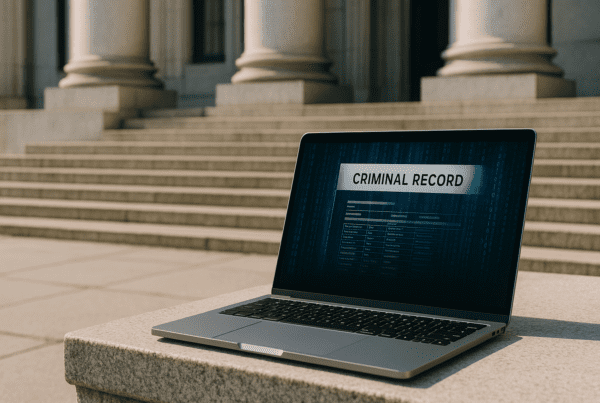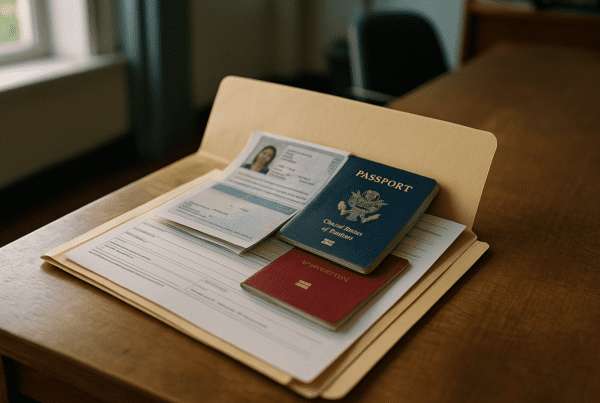

Public data archives have traditionally stood as vast reservoirs of information, capturing decades or even centuries of records on everything from property ownership and court filings to vital statistics like births and deaths. These archives serve as a trusted space where governments, researchers, journalists, and members of the public can access raw data that documents history, informs decisions, and ties individuals to official records.
However, the landscape around public data use is changing. Increasingly strict regulations and legal frameworks, aimed at protecting privacy and curbing misuse, are reshaping what can be stored, shared, and accessed. These shifts invite a close look at how public data archives might fare under new restrictions, and what that means for their longevity and value.
Observing the growing pull between access and privacy
Archivists and data managers are caught in a delicate balance. On one hand, public data archives rely on openness and broad access to fulfill their purpose. On the other, privacy advocates emphasize the risks of exposing personal details, especially with the rise of digital surfaces and sophisticated data retrieval tools.
Recent regulatory movements such as the European Union’s General Data Protection Regulation (GDPR) and various state-level measures in the US have underscored a shift toward tighter control over personal data. These rules affect not only live collections but also archives that hold historical records now seen through the contemporary lens of privacy rights.
As a result, some traditionally open records are now subject to restrictions on how they can be stored or disseminated. For instance, identifying information about living individuals in historical property or court records might be redacted or selectively withheld to comply with privacy laws. Such changes quietly chip away at the completeness and transparency archives offer.
How these shifts influence archival preservation and access
Restricting data use has direct consequences on archival longevity. When records become limited in accessibility or require additional processing for privacy compliance, the effort and resources needed to maintain the archives increase. This can slow down digitization efforts or make earlier physical collections less usable as demand shifts toward compliant digital databases.
There is also a broader question of how to preserve context and meaning when pieces of information are removed or anonymized. Public data archives function best when records are interconnected and comprehensive, letting users see relationships between data points. Redacted data can break these connections, potentially distorting historical narratives and research outcomes.
The push for privacy may also accelerate the adoption of new technological tools like differential privacy or encryption methods that can protect individuals while still permitting some form of data use. Yet, developing and implementing these tools requires investment and expertise, resources that not all archival institutions may sustain in the long term.
Changes in public expectations and regulatory compliance
Public perception plays a significant role. Citizens have become more aware of how their information can be used or misused through digital means, often demanding greater control over their personal data. This demand influences lawmakers and regulatory bodies, creating an environment where transparency about data usage policies becomes necessary for archiving institutions.
Compliance challenges grow not only because of technical and financial demands but also due to evolving rules. Even within a single country, the patchwork of state or regional laws can make it difficult to maintain standardized archival practices. For entities working with national or international records, aligning with various data use laws compounds complexity.
As restrictions tighten, the definition of what qualifies as public information may narrow, resulting in fewer records being openly accessible. Ultimately, this modifies that foundational principle of public records and raises tough questions around accountability and public knowledge.
Signals from recent developments in data regulation
Looking at recent rulings and policy discussions, there is clear momentum toward prioritizing personal data protection at a global scale. Legislative updates often focus on ensuring individuals can control how their data appears in databases and archives, with rights to correction, deletion, or objection to processing.
This trend manifests in practices like limited retention periods for certain data, the mandatory anonymization of information after a set time, or outright prohibition of sharing. Such measures threaten to reduce the scope of historical data available in public archives years down the line, potentially erasing valuable traces of social, economic, and cultural patterns.
For example, some jurisdictions now require that older records containing personal identifiers be reviewed regularly to decide if continued public access is justified. These reviews can lead to records being removed or sanitized, potentially erasing parts of the historical record.
While these protections respond to valid privacy concerns, archivists and researchers are watching carefully to see how they will balance the fundamental purpose of public data archives as a repository of collective memory.
A nuanced outlook on the future of public data archives
The intersection of data use restrictions and archival longevity is complex, crossing realms of law, technology, ethics, and public trust. It reveals an ongoing tug-of-war between the need to preserve open records for transparency and history, and the imperative to protect individuals in an age of data ubiquity.
When considered carefully, these developments offer an opportunity for archival communities to rethink how records are managed, shared, and contextualized. Integrating privacy-conscious technology, creating clearer public communication about data policies, and advocating for balanced regulations can help shape archives that remain both secure and meaningful.
At the same time, this evolving landscape reminds us that public data archives are living entities, not static libraries. Their value depends not only on what they contain but on how society chooses to treat the information held within. The future of public records will depend on ongoing negotiation between access, privacy, and the persistent human desire to understand our collective past.
Exploring how these shifts manifest in concrete archival practice will be crucial in the years ahead, as will following updates from regulatory bodies and privacy advocates to see how they recalibrate boundaries around public data.
The question of longevity for public data archives is ultimately a reflection of broader societal values that continue to change along with technology and law.
For those interested in how these issues play out, sources like the UK Information Commissioner’s Office offer insights into data protection principles, while the U.S. National Archives provide context on federal archival standards and challenges. The official GDPR text remains a key reference for understanding international impacts on data policy. Additionally, exploring privacy resources from the Privacy International organization helps grasp citizen-focused data rights advocacy internationally.
Watching these developments closely offers a grounded perspective on the evolving nature of public data archives and their role in our information landscape over time.
Sources and Helpful Links
- UK Information Commissioner’s Office, detailed guidance on data protection laws affecting organizations.
- U.S. National Archives, overview of federal archival practices and public records management.
- Official GDPR Text, the European Union’s General Data Protection Regulation framework.
- Privacy International, based research and advocacy on digital privacy and data rights worldwide.