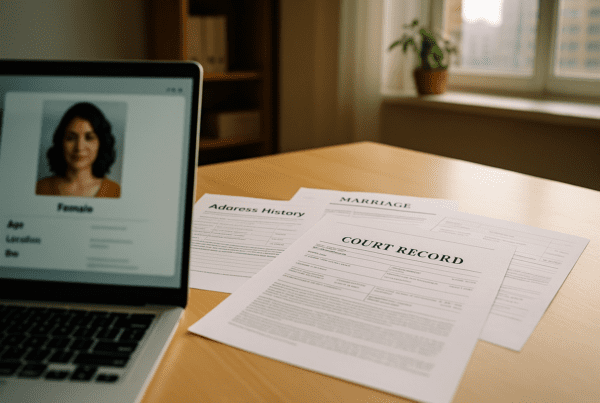
In public records, relationship status has traditionally been one of the clearer markers of identity. Marriage certificates, divorce filings, and legal partnership documents have steadily tracked these details over many decades. But as society changes, the reflection of relationship status in public data sources appears to be undergoing a quiet shift. More than simply a legal fact, relationship status increasingly intersects with evolving social attitudes, digital data practices, and privacy considerations.
Public Records and the Expectations of Relationship Status
For generations, a person’s relationship status was primarily documented through official filings such as marriage licenses, divorce decrees, or annulments. Government agencies and courts maintained these records for administrative and legal purposes. Their focus was narrow – to establish or dissolve legal bonds and notify institutions accordingly.
When people sought out these documents before the internet age, they often had to know exactly where to look, and what kind of record to request. Online public records databases and people search services have expanded accessibility, but in doing so, they have also brought a fresh scrutiny to how relationship statuses are presented. Observing these patterns, it becomes clear that the public’s interaction with relationship status data is as much about cultural norms as legal definitions.
Some states and counties retain records dating back centuries, creating massive archives that reflect shifting family structures and societal rules over time. Yet, these records can be quietly inconsistent about how relationship changes were noted. In deed registries or census data, marital status may be indicated simply as ‘single’ or ‘married’ without context on cohabiting partnerships or separated spouses who had not legally divorced. This gap naturally influences how people searching public records interpret relationship status.
The Impact of Broader Definitions and Social Change
As social acceptance of various partnership forms has increased, records have started to reflect more than traditional legal marriage. Domestic partnerships, civil unions, and later, marriage equality laws introduced new official categories in some jurisdictions. Yet these changes arrived unevenly across the country and the world, leaving a patchwork of record types and labels.
That means someone looking up relationship status today may encounter terminology or record types that did not exist a decade ago. More importantly, some newer partnerships never registered in official databases if the couples preferred private arrangements without formal filings. This creates gaps in public insight and leaves relationship status data incomplete for parts of the population.
At the same time, some jurisdictions have become more cautious about displaying relationship information due to privacy concerns. States that limit online access to marriage or divorce records often cite protection against misuse or identity exposure as reasons for restrictions. These moves complicate the landscape, balancing public record transparency with individuals’ desire for privacy, especially when relationship status may impact employment, housing, or social perceptions.
Digital Tools Changing the Landscape of Relationship Data
Equally important is the role of technology and data aggregation in shaping how relationship status information surfaces. Online public record search platforms now collect and unify data from multiple sources like court filings, property records, voter registrations, and social media profiles. This integration can fill in some blanks but sometimes creates confusion when records conflict or lag behind current reality.
For example, an individual who recently divorced may still appear as married in certain records if the update has not been reflected yet. Likewise, cohabitating partners not legally married might not be visible in traditional public records but can sometimes be inferred from shared property records or joint accounts.
These digital record linkages rely heavily on algorithms matching names, dates, addresses, and relationships. When relationship status data appears inconsistent, it prompts deeper examination by people searching these records, especially when verifying identities or background. This highlights a lived reality that relationship status exists as a fluid, nuanced concept beyond static labels in a database.
The Human Stories Behind the Data
While public records are often thought of as cold, factual collections, they represent real lives intertwined through connection and change. What catches the eye in current observations is how relationship status data echoes not just legal definitions but also personal choices and contemporary social arrangements. A person’s relationship status can signal shifting priorities, such as the rise of delayed marriages, surging cohabitation rates, or reconsideration of traditional bonds.
For users of public records, this means embracing complexity rather than expecting neat, singular answers. Relationship status is no longer purely a paperwork fact but a social marker layered with emotion, privacy, and historical context. It is also a reminder that records reflect a moment in time, not the full ongoing story.
As public records evolve alongside society, those engaged in researching identity and connection must recognize both the promises and limitations of available data. This growing awareness encourages a careful reading of relationship status information, balancing official documentation with the realities of modern lives.
Those curious about the intricacies of relationship status data can find relevant studies and government updates that discuss how these records are maintained and shared. Resources from the National Center for Health Statistics and various state government websites provide insightful context on trends in marriage and divorce reporting, data privacy, and access rules. Similarly, those navigating people search platforms may discover hints about incomplete or evolving relationship information through changes in record labeling or availability.
Continuing to watch how relationship status data manifests in public records will remain important as family structures keep changing and new digital tools influence data collection. This quiet shift illustrates how identity, legality, and personal life intersect in the vast world of public information.
Understanding that relationship status is a living, moving target within public records ultimately broadens the perspective on what these data points mean. They are not just entries in a database but parts of multifaceted human stories constantly reshaped by culture, law, technology, and individual agency.
In a society where methods of connecting and declaring relationships keep evolving, public records quietly try to keep pace, revealing the ongoing complexity of recording who we are and how we relate.
Observing these shifts reminds us to approach relationship status data with care, respect, and an eye toward the varied lives behind the record.
For further reading, official sources like the National Center for Health Statistics on marriage and divorce, or individual state government public record portals offer reliable, up-to-date information about how relationship data is collected and shared. Consumer-focused platforms such as Consumer Financial Protection Bureau insights explore the impact of relationship status on financial profiles and data visibility.
At the same time, privacy advocacy organizations like Privacy International provide helpful discussions around the privacy implications of publicly visible relationship data.
These varied sources help frame the ongoing conversation about relationship status in public records in an informed, balanced way.
Sources and Helpful Links
- National Center for Health Statistics on marriage and divorce, offering statistical data and reporting on marriage and divorce trends.
- Consumer Financial Protection Bureau insights, analyzing relationship status and its impact on financial records.
- Privacy International, providing discussion on privacy and data exposure issues related to public records.