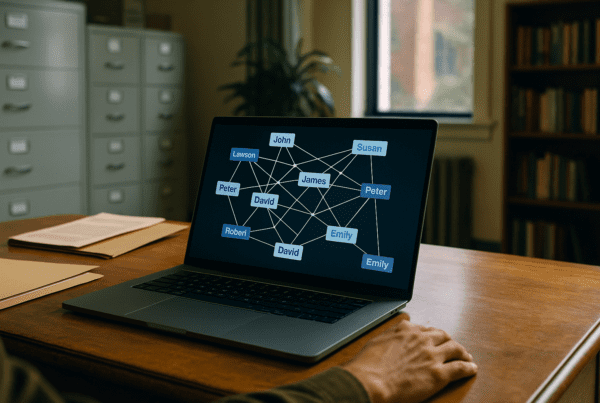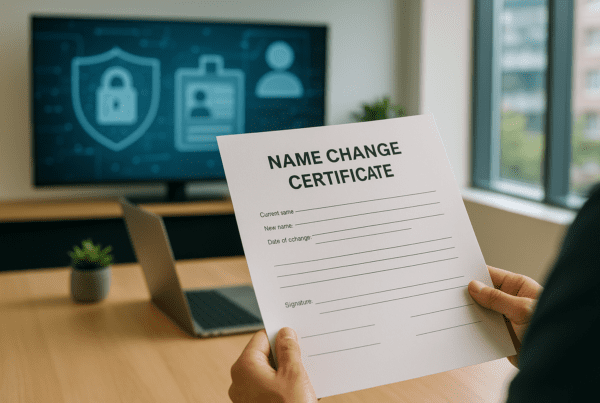

Walking into the modern identity verification process often feels like navigating a maze of overlapping identities. Alias data, which includes alternate names, nicknames, legally changed names, and pseudonyms, is quietly becoming more common in public records and verification systems. This means that verifying who someone really is involves a puzzle of different names tied together in various ways.
When One Name No Longer Means One Person
For a long time, a person’s name served as the key to linking important records like birth certificates, driver’s licenses, and credit histories. But real life is messier. People often use different names at different times or places. They might have a professional name, a married name, a nickname, or a name change due to transition. Each adds a new version of their identity to the digital landscape.
Verification tools now face the difficult task of piecing these name variants together without wrongly combining separate individuals or missing crucial links. Imagine a background check where a criminal record is under a different name than a job applicant uses. Without a system that accounts for aliases, this can cause confusion or delay.
A Data Landscape Thickening with Alias Traces
Names are just the start. Addresses, phone numbers, social media profiles, and other contact information may also reflect alternate identities. Public records databases, which have traditionally relied on official government filings, now gather more alias data to build fuller profiles. While this means better coverage, it also risks errors, like mixing up distinct people with common surnames or similar locations.
This complexity affects sectors requiring identity verification for compliance, such as banking and healthcare. These industries depend on accurate identity checks to prevent fraud or meet privacy laws, yet alias data can obscure clear understanding of a person’s full data footprint.
Take healthcare, for example, where patient safety can hinge on accurate records. If an alias goes unnoticed, critical medical history might be missed. In banking, alias inconsistencies could hinder efforts to flag suspicious activities or carry out due diligence.
Where Technology Meets Human Wisdom
Modern verification systems use artificial intelligence to tackle alias variation with techniques like fuzzy matching and pattern recognition. They can handle initials, phonetic similarities, and common name misspellings. Yet, these approaches come with trade-offs. Broader matching criteria increase chances of capturing true records across names but also raise risks of false positives.
Algorithms sometimes flag records that share similar names but belong to different people. The nuances that humans pick up intuitively, such as cultural naming conventions or habitual nicknames, are challenging for software alone to interpret reliably.
This is why human review remains critical for sensitive cases. Skilled verifiers consider contextual clues – addresses, dates of birth, family connections – to decide if multiple names belong to one person. The presence of alias data means identity verification is not just about numbers but requires careful judgment and nuance beyond automated processes.
The Privacy Puzzle Around Alias Use
People sometimes use aliases purposefully to protect privacy. Whistleblowers, abuse survivors, or witnesses might adopt alternate names as safety measures. Verification systems must balance respecting these privacy needs against the necessity of confirming true identities. This creates a real tension between transparency and protection.
Legal rules add another layer, as different regions regulate collection and sharing of alternate names differently. Verification providers have to keep up with these requirements while responsibly managing alias data to prevent misuse or invasive practices.
For those undergoing checks, the alias complexity might show up as unexpected requests for additional proof or delays when multiple names appear. Such experiences reveal the hidden intricacies behind what seems like a simple process.
Seeing Aliases Through a Realistic Lens
Knowing that aliases are increasingly found in public records helps frame expectations around identity verification. When multiple name forms appear, it encourages open communication and patience to clarify identity details. Identity services are developing better tools for linking alternate names and explaining the role aliases play.
Alias data serves as a reminder that identity is fluid and personal, shaped over time by culture, history, and individual choice. Verification systems must adapt to this reality, treating identity not as a fixed label but a mosaic of connected pieces. This perspective makes the verification task more of an art informed by science.
Understanding alias impact also reveals how technology and humans must work together, with tools catching broad patterns and professionals interpreting specifics sensitively. The result is a more thoughtful, accurate approach to defining who people really are in the digital age.
Various sites offer more perspective on managing alias data responsibly. The Federal Trade Commission’s guidance on identity safety, for example, explains how aliases factor into risks and protections. The Electronic Frontier Foundation’s privacy discussions dive into the balance between anonymity and verification.
In the end, alias data complicates identity verification but also enriches understanding of personal identity’s many layers. It asks for care, patience, and smart technology to connect the dots between names and people accurately while respecting privacy and trust.
- Federal Trade Commission – How to Keep Your Identity Safe, guidance on protecting personal identity and understanding alias data risks.
- Electronic Frontier Foundation – Privacy, exploration of privacy concerns including the use of aliases in digital identity.
- NIST Digital Identity Guidelines, comprehensive standards on identity proofing and verification processes.
- Consumer Financial Protection Bureau – Identity Theft Resources, detailed resources on managing identity and alias complications in financial contexts.