
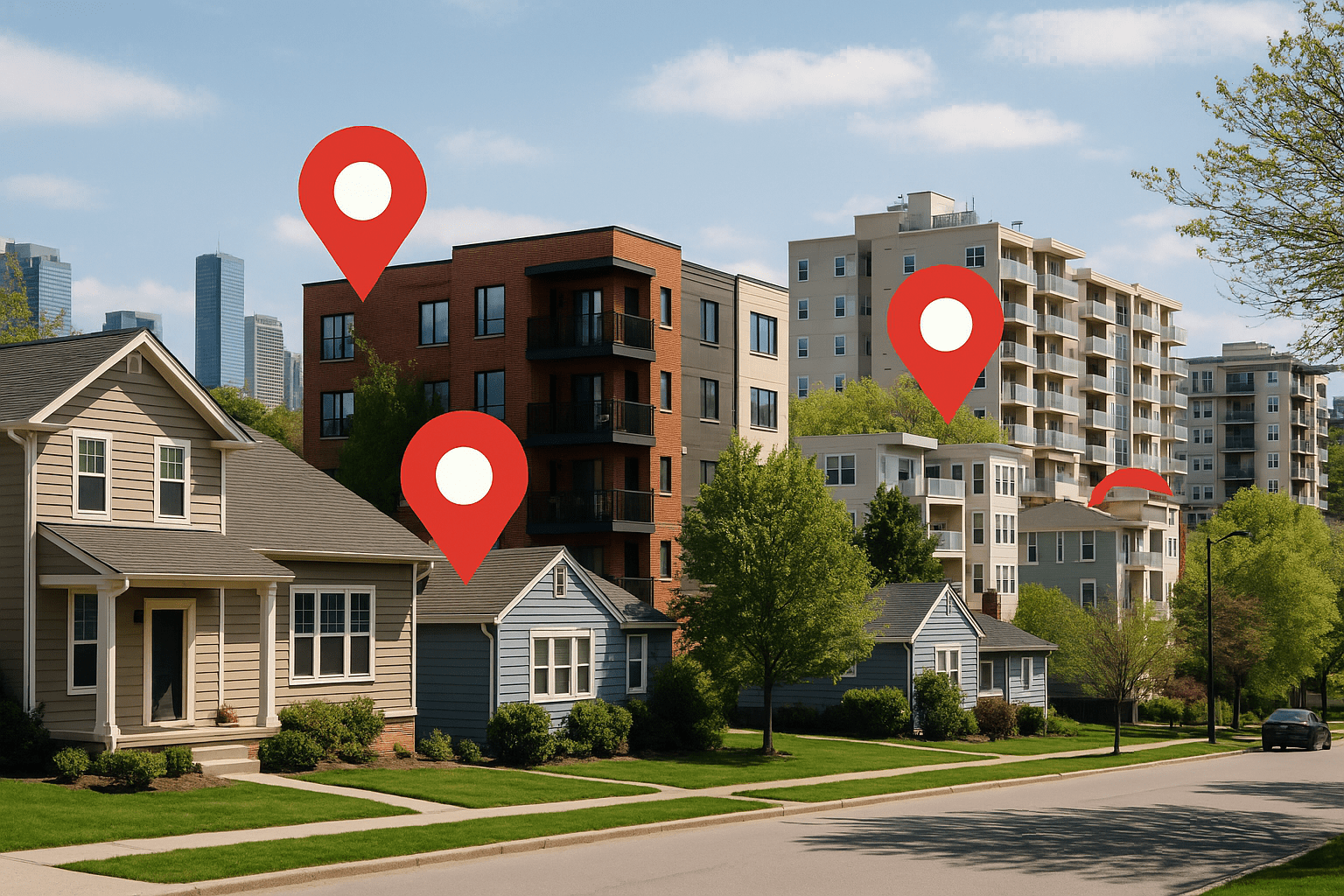
It is increasingly common to encounter people listing several addresses across different states within public records. This multi-state residential footprint is telling us more than just where someone has lived. It traces patterns of mobility that reflect broader social and economic shifts happening beneath the surface.
Tracing Why People Stretch Across Borders
Looking carefully at public records like property documents, voter registrations, and address histories, one sees that sequences of addresses often defy simple narratives. A person’s choices about where to live are shaped by a mixture of factors including employment opportunities, family needs, cost of living differences, and sometimes tax considerations. Rather than moving directly from place A to place B and staying put, many move between multiple states over a few years, creating a web of residential data points.
Consider the case of those employed in industries that demand travel or flexible living arrangements, such as gig workers or contractors. Their residential records may weave through states, reflecting the nature of their work rather than just personal preference. Additionally, retirees, seasonal workers, or students often have complex living histories, captured in public databases, illustrating a transient or partly nomadic lifestyle.
Some public records aggregate this information, but the interpretation requires care. Multiple addresses do not always mean disloyalty or instability. Instead, these patterns can signal adaptability or strategic choices that are deeply rooted in socioeconomic realities.
When Address Trails Tell More Than One Story
Sometimes, these multi-state patterns invite questions about identity verification and reporting accuracy. A challenge emerges when someone holds multiple residences but their primary address for voting, taxes, or legal purposes is different from where they spend the bulk of their time. Public records agencies and data aggregators may struggle to pin down which address is the principal one, compounding challenges for people search services and background checks.
Discrepancies across records may also come from different timing in data submission. Someone may have sold a house in one state but their records have not yet updated or their official residency for certain purposes remains in the previous state. These nuances matter when trying to understand what public records truly reveal about someone’s home life or stability.
The way public records track these changes also varies by region. Some states have more frequent updates or stringent reporting rules, while others may lag, causing temporary mismatches in the data that shape the multi-state story.
Pulling Connections Between Data Points and Real Life
Address history databases provide a valuable lens to explore trends in mobile populations. For example, families may maintain homes in different states to stay close to various relatives or for the children’s schooling needs. It is not always a story of uprooting and resettling but often one of maintaining ties across regions.
Similarly, economic migration patterns show people following jobs to new states while keeping a foothold in their previous communities. This can happen when someone hasn’t sold their old home or uses it as a fallback option. The public records from such cases form a patchwork of linked residences, reflecting a fluid but grounded living approach.
Looking deeper at address histories alongside other public records like licensing or court documents helps to create a fuller picture. These layered documents allow for more accurate assessments, supporting legal processes, identity verification, or reconnecting with individuals.
For instance, a person with an address history anchored in multiple states may present an unusual pattern to automated systems. A manual review of linked data often reveals common-sense reasons behind these movements, avoiding false assumptions about untrustworthiness or fraud.
How Multi-State Residency Trends Respond to Broader Changes
The rise of remote work appears to be reinforcing these multi-state residential patterns. When work no longer ties a person strictly to one location, maintaining multiple addresses gains new relevance. Public records may show growing numbers of people who live in one state during much of the year and another during a season, without formally changing their primary residence each time.
Additionally, demographic groups differ in how they use multi-state addresses. Younger adults often show more frequent moves, while older populations might slowly integrate second homes or retirement locations into their official histories. Public data reflects these generational and lifestyle distinctions, revealing how society’s approach to place is evolving quietly but visibly.
At the same time, economic pressures can lead to complex residential situations where people temporarily double up between states, especially in high-cost metro areas. Public records capture these shifts but translating them requires understanding the human stories behind the raw address lists.
Reflections on Data, Mobility, and Identity
Ultimately, public records do more than list addresses. They reveal the dynamic realities of how people live at multiple intersections of geography, work, family, and identity. Multi-state residential patterns emphasize the fluidity of belonging in modern America, challenging assumptions about fixed roots.
As researchers and users of these records, it is important to approach the data with patience and context. Watching the interplay between addresses, official documents, and life events reveals a story that is neither always simple nor uniform. Instead, it is a reflection of how people negotiate belonging in ways that make sense to them, even if it complicates the public record.
Exploring multi-state residency through public records offers a reminder that identities and ties to place are layered and changeable. They tell stories about endurance, flexibility, and the evolving meaning of home.
For those interested in these patterns, resources such as state property registries, voter databases, and national address history tools like those described by Consumer Financial Protection Bureau or public data aggregators provide valuable insights and context.
By combining multiple public records thoughtfully, we gain a more nuanced and human understanding of mobility outside the snapshot of a single point in time. That is where the richness of public records shines – in capturing the unfolding, multi-layered experience of how people live across the country.
These glimpses into multi-state living not only help with practical searches or verification but also invite us to consider how interconnected and flexible the modern notion of home truly is.
For further study, exploring demographic and legal resources like the U.S. Census Bureau migration guidance and local government property assessment pages illuminates the many forces shaping these evolving residential patterns.
Each address in public records is a waypoint in a much larger journey visible only when viewed together, reminding us that behind every data point is a story of movement and meaning.
Sources and Helpful Links
- Consumer Financial Protection Bureau provides clear explanations of credit and address reporting practices relevant to multi-state residency.
- U.S. Census Bureau Migration Guidance offers detailed insights into population movement and migration trends across states.
- National Conference of State Legislatures covers state residency requirements and how they impact official address data.
- Whitepages Reverse Address Lookup demonstrates practical use of public records in understanding address histories and connected identities.