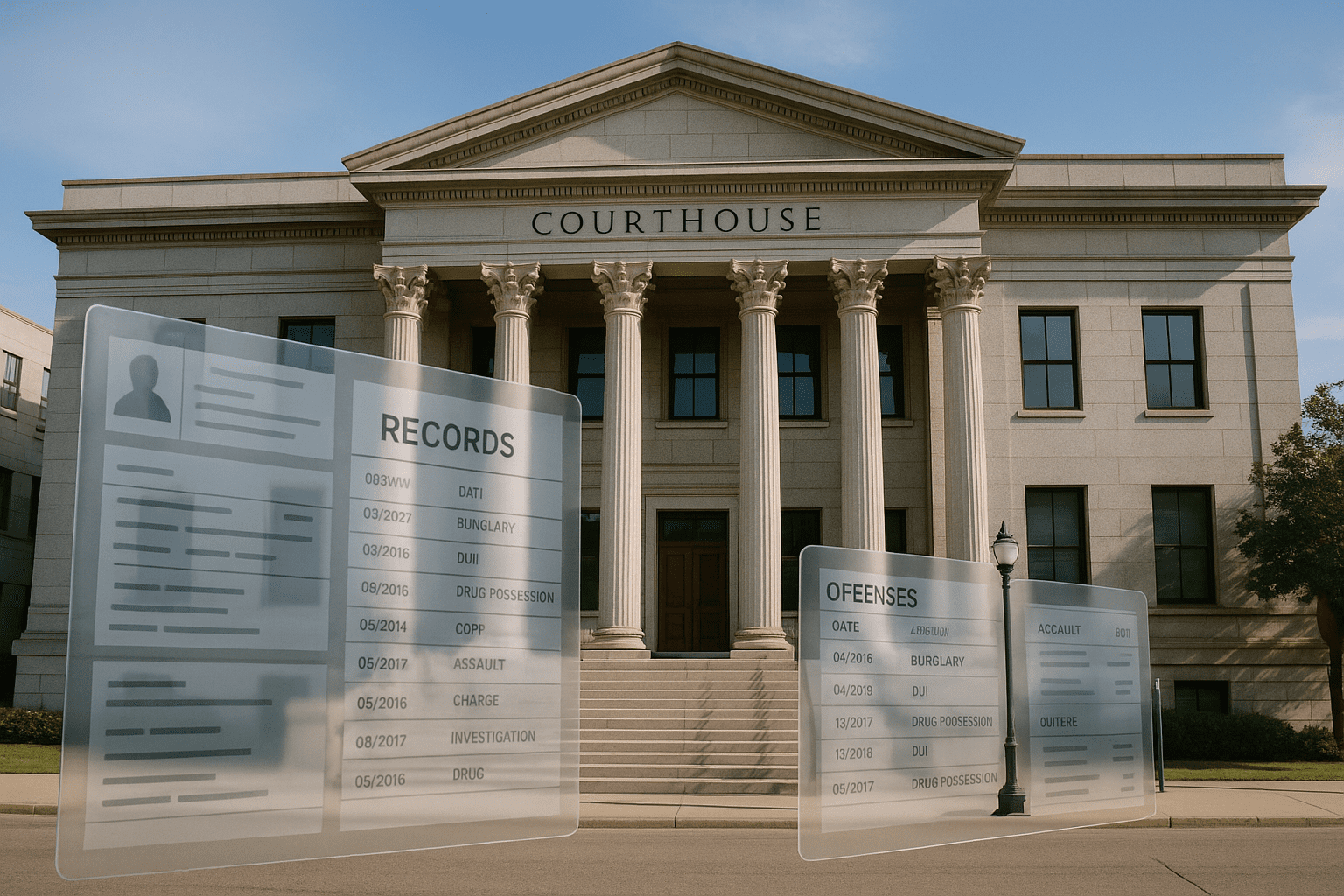
The landscape of gaining access to criminal records has been shifting steadily in recent years as court cases challenge long-held assumptions about consumer rights and data transparency. These records, which carry significant personal and societal weight, have historically been a gateway for employers, landlords, and others making critical decisions about individuals. Yet, evolving legal challenges reveal a more complex relationship between the public interest in open information and individual privacy rights.
Reading Between the Lines of Recent Court Rulings
Court cases related to consumer access to criminal records have recently drawn attention not just for their direct outcomes but for how they finesse the boundaries between transparency, fairness, and privacy. Some rulings have emphasized the importance of consumers being able to review and dispute inaccurate information, reflecting broader trends in data rights.
For instance, appellate courts have grappled with what qualifies as accessible information under laws like the Fair Credit Reporting Act (FCRA) when criminal background checks are involved. These decisions often highlight that consumers should have the right to confirm what is being reported about them before others rely on that data. The reasoning usually centers on preventing harm from outdated or incorrect records, which can unfairly impact employment or housing opportunities.
Unpacking the Complex Role of Third-Party Reporting Agencies
A major theme in these cases is how third-party companies that aggregate and distribute criminal record data fit into the regulatory picture. The courts tend to scrutinize their practices closely, especially around accuracy, data sourcing, and user notification. Because these companies are often private entities operating with less direct government oversight, their responsibility to consumers becomes a prominent legal question.
This creates a dynamic where consumers may challenge the completeness or correctness of reports, while third-party agencies argue about limitations of data availability and legal constraints on sharing certain information. Cases focused on these disputes show a nuanced push and pull, where courts seek a fair balance without upending the essential service of data dissemination.
The Impact of Privacy Rights on Public Access
One of the more intriguing threads in court decisions is how privacy concerns increasingly weigh against unrestricted public access to criminal records. Some rulings have underscored that not all information held in public records is automatically fair game for wide consumption, especially when it concerns arrests that did not lead to conviction or records that have been expunged.
This reflects a growing recognition of the lifelong effect that criminal records can have and the social interest in preventing unnecessary harm from inaccurate or irrelevant information. The legal balancing act here tries to respect the notion of transparency while acknowledging that consumer rights include protection from unjust stigma.
How These Decisions Affect Everyday Access
For individuals trying to pull their own criminal record or those relying on background checks, these court rulings have practical effects. They may influence what is made available online, which records must be removed or corrected, and how companies notify consumers about their rights.
Furthermore, legacy data that exists in public repositories might be subject to new disclosure requirements or removal requests in response to judicial interpretations. Those with concerns about their own records might find that their ability to seek corrections or restrict harmful information has been strengthened, depending on jurisdiction.
Different Layers of Access and Legal Nuance
It is important to note that access to criminal records is not uniform across the United States. Federal laws like FCRA set baseline standards, but states add their own regulations and exceptions, creating a patchwork of rules that consumers must navigate. These differences can lead to varied experiences depending on where a person lives.
Some states allow for more expansive public access to arrest and conviction records, while others impose stricter limits, often motivated by privacy concerns or efforts to reduce recidivism obstacles. Court decisions frequently have to interpret these varying rules, sometimes clarifying state-specific rights or federal preemption issues.
For instance, in some cases, courts have sided with consumer advocates pushing for easier access to expunged or sealed records in specific contexts, while other rulings reinforce protections that keep such records out of general circulation to avoid discrimination.
Ongoing Challenges with Data Accuracy and Consumer Notification
Accuracy remains a persistent concern. Courts have repeatedly urged third-party reporting agencies to uphold rigorous standards for verifying criminal record information. Mistakes or outdated data can cause real damage, from employment denials to wrongful suspicion.
Recent rulings reinforce the principle that consumers must be informed when background checks are done and be given chances to correct errors. This expectation aligns with broader trends in consumer data protection, evident in other areas such as credit reporting and digital identity management.
Yet challenges persist because criminal records often come from multiple sources, and information can be fragmented or incomplete. Some court opinions highlight the need for a transparent process so consumers understand what information is held and how it can be disputed.
Privacy Moving Toward a Stronger Standing in Public Record Use
As privacy gains wider acceptance as a civil right, courts have begun to acknowledge the harm that broad public access to criminal records can cause, particularly when records include data about arrests without convictions. The stakes are high, considering a criminal record’s persistent impact on housing, employment, and social opportunity.
This growing legal perspective supports measures for record sealing or expunction, where eligible individuals may have certain entries hidden from the public eye. Legal decisions in this area reflect society’s increasing willingness to temper transparency with compassion, recognizing that mistakes and youthful errors should not permanently curtail life chances.
Keeping Pace with Legislative and Judicial Developments
Given the fluid legal terrain, individuals and professionals relying on criminal record data must stay alert to changes. Legislatures in several states are pursuing reforms that could redefine access and accuracy standards. Simultaneously, courts remain key venues for shaping how laws are applied, especially when new technologies and record-sharing methods emerge.
Consumers interested in understanding their rights or resolving disputes around criminal record access should look to established resources. The Federal Trade Commission offers guidance about background checks and consumer protections, clarifying what notice is required and how errors can be corrected. The American Civil Liberties Union explores civil rights issues tied to these records, including concerns about fairness and discrimination. For deeper insights on privacy and expungement, Privacy Rights Clearinghouse provides detailed consumer-focused explanations.
This interplay between courts, lawmakers, and advocacy groups signals a continuing dialogue about how society balances the public’s right to information with the individual’s right to privacy and dignity. As court cases illuminate these tensions, they contribute to a more nuanced understanding that may gradually reshape consumer access expectations around criminal records.
Understanding these developments helps demystify a complex area where public records, legal principles, and personal rights intersect. The conversation unfolding in courts and beyond reveals an ongoing negotiation about transparency and protection in an ever-evolving information landscape.
Sources and Helpful Links
- Federal Trade Commission on background checks – Offers official guidance on consumer rights related to background checking and reporting.
- American Civil Liberties Union on criminal records – Explores civil rights considerations and reform related to criminal record access.
- Privacy Rights Clearinghouse background check guide – Details consumer privacy issues and rights concerning background checks and record accuracy.