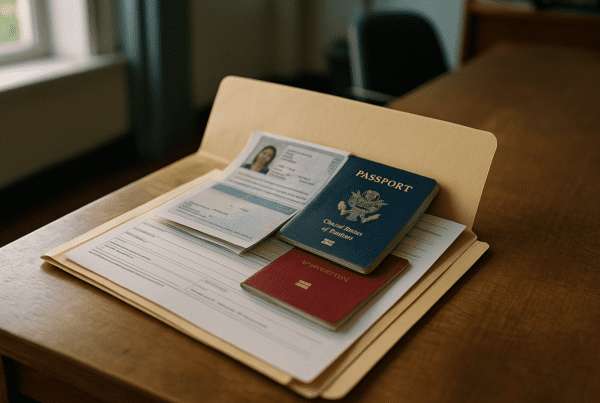

The idea of co-living and shared housing has become increasingly common, especially in urban centers and places with rising housing costs. While social media and lifestyle blogs paint a picture of community and convenience, public records offer a grounded, data-driven look at how these arrangements really play out. When you dive into property records, address histories, and identity registries, a more complex reality of shared housing emerges.
The patterns that emerge behind shared addresses
In public records, an address is more than just a location. It is a hub where multiple lives intersect in varying combinations over time. For example, certain properties reflect a rotating cast of residents, suggesting short-term leases, subletting, or informal sharing arrangements. One residence might show six or seven different adults listed across records in a single year. In other cases, multiple unrelated adults appear linked permanently at the same address. These patterns reveal the fluidity or stability of co-living setups.
This dynamic can be spotted through marriage licenses, voter registrations, utility bills, and property tax documents, all publicly accessible in many jurisdictions. When multiple individuals share utilities or receive mail at the same location, public records pinpoint that connection. Observing these links over years allows for a perspective on the tenure of shared living – whether arrangements drift in months or last for multiple years.
The implications of shared housing on identity and social ties
Shared housing is not just about roof and rent. Public records show it also affects how residents are tied to their neighborhoods and legal identities. When multiple unrelated adults list that same address on government forms, it intertwines their official records in ways that might influence background checks, credit histories, or even legal notifications. That can be consequential for those seeking housing or employment, especially in tight-knit urban environments.
Moreover, shared housing touches on family and social structures that public data only starts to reflect. Adult children, roommates, and partners might all be cohabiting, blurring lines between household and family unit in records. For genealogical researchers or people searching for relatives, addresses with multiple individuals complicate the story, demanding deeper scrutiny to understand relationships versus mere residency.
Housing stability and turnover reflected in record movements
One observable reality behind co-living is the high turnover rate among residents in shared spaces. Public records capture address changes, mailing updates, lease filings, and evictions. Tracking these movements reveals how often people cycle through co-living environments. Some properties become stepping stones for residents in transition, while others maintain more stable occupants. This turnover can illustrate economic pressures or lifestyle choices underlying co-living trends.
Eviction records, often public, shed light on another aspect: the fragility of shared housing arrangements. If one resident faces eviction, it may ripple through others listed at the same address, sometimes affecting everyone on the lease or connected to the property by public filings. These cascading effects are an uncommon detail visible only through careful examination of court and housing records.
Address histories as windows into life’s complexity
Public records documenting where individuals have lived create a mosaic of life changes and personal decisions. Address histories, available through property registries or people search platforms, often reveal periods where co-living was a solution to affordability. In some cases, a single address will show multiple adult residents over overlapping periods, reflecting a shared living strategy to reduce expenses or build community.
Conversely, consistent self-identification with an address over long periods indicates stability, which might counter common stereotypes about shared housing as always transient or temporary. These contrasts highlight how co-living arrangements vary widely, with public records illustrating both ends of the spectrum.
That evidence helps shed light on how societal shifts in housing demand manifest practically. It encourages a more nuanced understanding beyond simply seeing co-living as a trend or niche lifestyle choice.
The nuances behind data and privacy in shared living situations
While public records offer insights, they also raise questions about privacy and data use, especially for people living in shared spaces. Many records show multiple individuals at one address, which can lead to privacy concerns if that information is misunderstood or misused. This is particularly true when data brokers or online people search tools aggregate records without context, potentially creating confusing or inaccurate profiles.
Awareness about these nuances is important. Understanding that co-living leaves a distinct footprint in records helps people approach these data points carefully. It calls for balanced interpretations that respect privacy while helping people make sense of publicly available information.
Public records remain a valuable resource for understanding real estate occupancy and identity connections in co-living setups, but interpreting them accurately requires attention to detail and an appreciation for the underlying human realities.
For anyone curious about the practical workings of shared housing, public data paints a picture grounded in actual record trails rather than rhetoric, social media stories, or marketing spin. The real story lies there, in addresses where lives overlap and data quietly reveals the evolving story of how people live together.
To explore publicly available property and identity records related to housing arrangements, resources like local government property databases, court eviction archives, and voter registration data provide reliable starting points. Using these verified sources allows for a measured and factual view of co-living as it exists within public records.
These sources highlight an important truth: co-living is not a one-size-fits-all pattern but a range of living realities shaped by economic, social, and legal factors clearly visible in public data.
Ultimately, public records offer a quieter but detailed narrative about shared housing. They reveal how people cooperate in daily life, how their identities intertwine through place, and how housing trends manifest in tangible, verifiable ways.
Exploring these records reveals the lived experience behind numbers and names, giving a fuller picture of the evolving landscape of co-living and shared housing across communities.
For more information on the intersection of public records and housing data, official government sites and people search educational resources provide ongoing updates and discussions rooted in actual data rather than assumption.
- USA.gov Property Records – A gateway to official property record databases in the United States, helpful for exploring ownership and residency patterns.
- Consumer Financial Protection Bureau on Credit Reports – Information on how residential addresses impact credit histories and background checks.
- Nolo Legal Encyclopedia on Public Records – A clear explanation of the types of public records and their relevance to personal identification and housing.
- Eviction Lab – A research project providing data on eviction patterns that illuminate housing stability issues in shared living contexts.
Sources and Helpful Links
- USA.gov Property Records – Access to official property ownership and residency databases.
- Consumer Financial Protection Bureau – Information on housing data and its effects on credit reporting.
- Nolo Legal Encyclopedia – Explanation of public records and their use in identity and housing contexts.
- Eviction Lab – Data on eviction trends affecting shared and co-living housing stability.