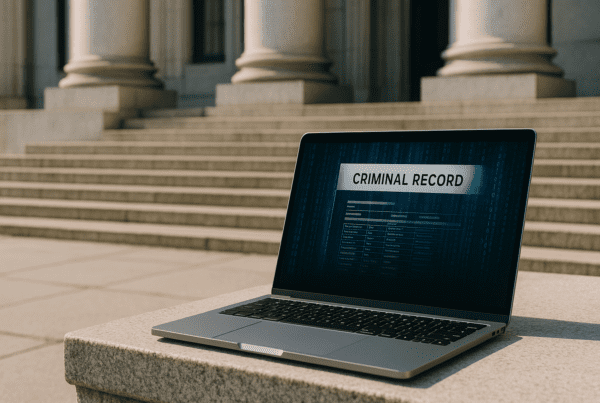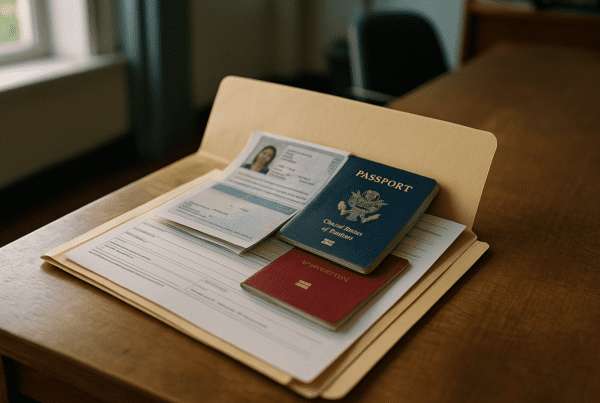
Name changes carry a deep personal weight, often signifying a new chapter or identity. Yet, beyond the personal realm, these legal name changes ripple out into public records and identity verification systems. They serve not just as a formal update but as a thread weaving together previous and current identities across databases and verification processes. Observing how these records function can shed light on the intricate balance between trust, accuracy, and privacy that flows beneath the surface of identity verification.
Names as Connective Tissue in Record Systems
When someone legally changes their name, it creates a visible marker in public records-a junction where two identities, old and new, meet. This connection is key for identity verification, which depends heavily on matching names alongside dates of birth and other data points to authenticate who someone really is. A name change record is the document that enables verification systems to link these differing identifiers over time.
However, this linking is complicated by how name change data is captured and accessed. Some jurisdictions make such records readily available to certain verification platforms, while in others the data might be slow to propagate or withheld under privacy rules. This can leave gaps in the trail of identity, causing confusion or mistaken rejections especially in contexts like background checks or credit assessments.
Interestingly, a sudden or unexplained name change can sometimes appear suspicious to automated fraud detection, even when it reflects a perfectly legitimate and legal action. This shows how the context behind these records is often as important as the records themselves.
Public Records’ Quiet Role in Identity Continuity
Public records serve as the backbone for tracking identity transitions via name changes. Courts typically issue legal name change orders, which become part of public data sets. Sometimes local newspapers publish formal notices, adding another layer of public acknowledgment. These dispersed sources feed into large databases used by verification services aiming to maintain continuity across evolving names.
Yet the patchwork nature of these sources demands ongoing care. Many people search and background check services rely on a blend of artificial intelligence techniques combined with human oversight to interpret name changes along with other signals such as address history and family relations. Multiple name changes multiply complexity, requiring more robust scrutiny to avoid mismatches.
Balancing timeliness with accuracy proves challenging. Delays in updating these layers of public record can mean that verifications based on outdated names may falter, raising questions about identity authenticity when no fraud is present.
Privacy Tensions Emerging From Digital Transparency
The increasing online availability of legal name change records is a double-edged sword. Digitization creates openness that supports thorough verification but also generates privacy concerns. Name change details accessible through expansive digital libraries or search engines can expose individuals to unintended scrutiny, raising the risk of identity misuse or unwanted exposure.
Many jurisdictions have frameworks promoting transparency to prevent fraud and maintain public trust, yet these rules inevitably collide with individuals’ desires for privacy, especially when name changes are tied to sensitive personal histories or reasons.
Advanced digital identity systems attempt to address these concerns by integrating biometrics and secure identifiers that do not rely solely on names. This technology helps ensure identity stability despite changes in public-facing information. Still, such systems must reconcile their data with public name change records regularly to verify that information remains consistent and reliable.
Everyday Verification: Navigating The Name Change Puzzle
For many people, presenting identity during everyday activities such as job screenings, renting apartments, or banking involves navigating the extra layer of complexity a name change introduces. Verifiers-whether automated or human-may not always parse the significance of two or more names belonging to the same person correctly. This can cause friction, delays, or require additional documentation.
Some larger organizations have updated their policies to routinely request and incorporate name change documentation, reducing confusion and improving clarity. Unfortunately, smaller entities or non-specialists may still struggle without clear guidelines, leading to inconsistencies in treatment.
Meanwhile, companies specializing in public data aggregation keep improving their methods to bridge name changes accurately. Their progress depends on thorough data collection, vigilant updates, and sometimes cross-referencing with other records like social security details or phone numbers to ensure links are made correctly while respecting privacy.
Name Changes as a Continuous Thread Through Personal Histories
The influence of legal name changes extends far beyond initial verification. They reshape how histories are traced, from genealogical research to financial records, and even digital footprints that affect social reputation. A name recorded on a document may alter search results or generate new connections previously hidden under an earlier name.
This means name change records help construct a fuller picture of individual identity but simultaneously introduce complexity. They underscore the critical importance of sophisticated data systems and conscientious policies that support both accuracy and the delicate handling of personal information.
As technology and record-keeping practices evolve, the ongoing challenge remains: how to bridge identities smoothly while protecting individuals’ privacy and reinforcing trust across all the varied systems that rely on these public records.
Understanding these dynamics offers insight into the unseen work public records perform in supporting everyday identity verification, and how legal name changes act as both connectors and puzzles within that landscape.
Exploring this topic also reveals broader questions about the future of public data, the balance between transparency and privacy, and the technical and human efforts needed to keep identity verification reliable.
Observing legal name change records, then, is more than an administrative matter; it reflects the evolving story of how society acknowledges identity change while trying to maintain trust and safety in a complex world of data.
Ongoing observation and thoughtful integration of these records remain essential as more people navigate identity updates in an increasingly digital and interconnected environment.
Such awareness benefits anyone involved in public records, from data professionals to everyday people seeking clarity in their own identity journeys.
It points to a future where transparency, respect for privacy, and accuracy in public documentation can coexist, supporting both individual dignity and collective trust.
Ultimately, legal name change records are a silent but powerful influence shaping the trustworthiness and functionality of identity verification in the modern world.
Their study invites a more nuanced understanding that appreciates the human stories behind the paperwork and the technical challenges they pose.
As new methods for handling identity evolve, these records will remain a central thread linking the past with the present, helping systems and individuals alike navigate the complex pathways of identity.
In recognizing their impact, we see how the legal formalization of name changes plays ongoing, unheralded roles in many facets of public and private life-showing why careful stewardship of these records matters now more than ever.
Sources and Helpful Links
- U.S. Citizenship and Immigration Services – Information on legal name changes related to immigration processes
- Nolo Legal Encyclopedia – Overview of the legal name change process and implications
- IdentityTheft.gov – Resources for protecting identity after name changes
- Federal Trade Commission – Guidance on managing credit reports and fraud alerts during name changes