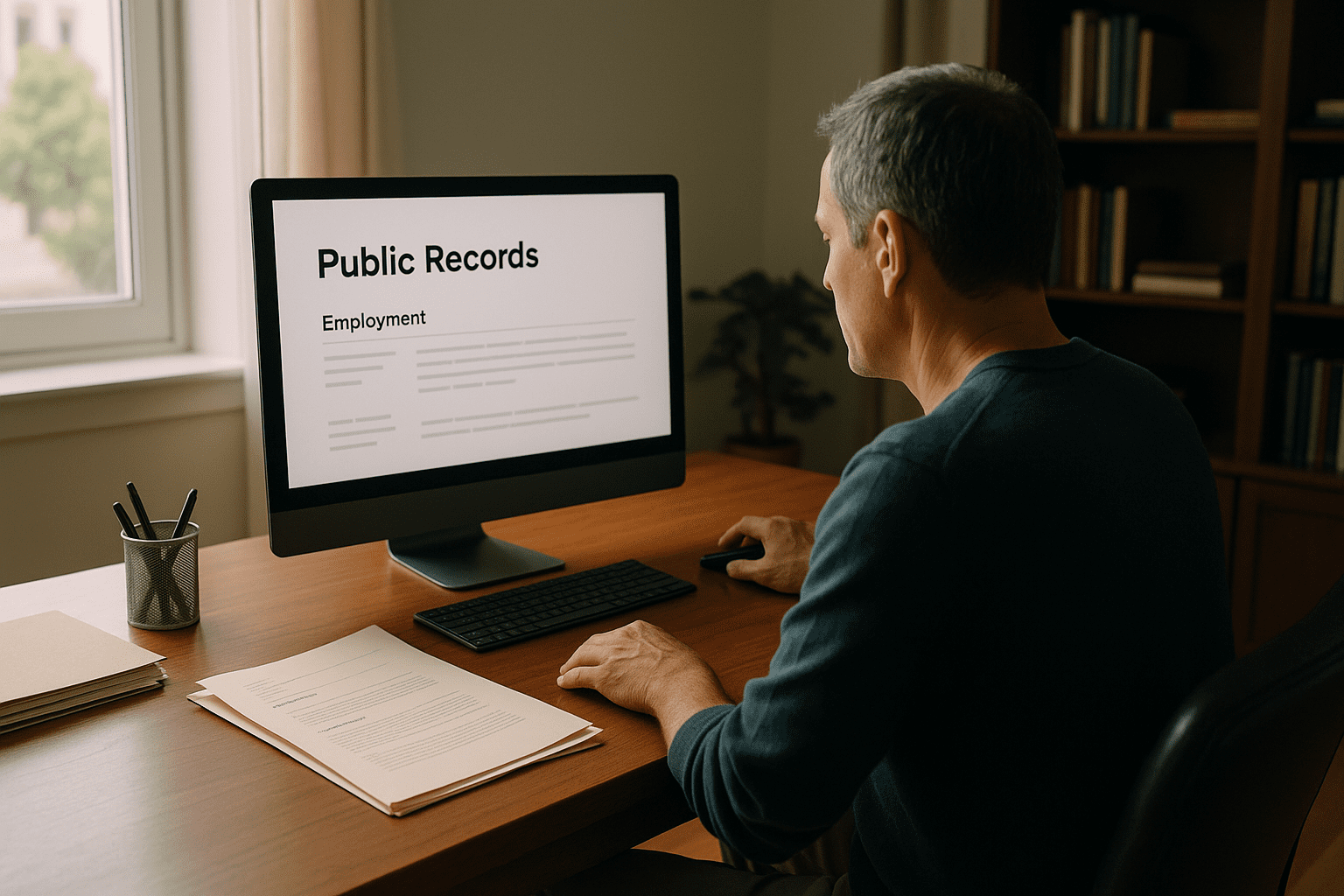
Employment verification and background checks are staples of hiring processes, but they often fall short of telling the full story about a candidate’s work history. When we look beyond the standard verification calls or resume checks, public records emerge as a powerful source of context. These records, accessible through various official channels, can provide nuanced insights into a person’s employment trajectory, business associations, and sometimes even character-related details relevant to a hiring decision.
A deeper glimpse beyond basic checks
Most employers begin employment screening by confirming job titles, dates of employment, and educational qualifications directly with previous employers or through third-party verification services. This method tends to confirm only whether someone did hold a position and for how long. However, public records can offer a broader picture, revealing periods of activity that align or conflict with stated work histories. For example, state business registries can show if a person owned or operated a business during gaps in traditional employment listings.
Additionally, court records may disclose lawsuits related to employment disputes or professional conduct that would otherwise remain hidden. While these do not necessarily predict future behavior, they can provide context regarding challenges or patterns in a person’s work life. It becomes clear that public records are not about judgment but about supplying pieces of a puzzle that help construct a fuller background picture.
What kinds of public records matter most
Certain categories of public records tend to be especially informative. Local government filings, such as professional licenses and permits, indicate whether someone maintained required credentials for specific trades or professions. These can be crucial for regulatory compliance verification in fields like healthcare, construction, or finance.
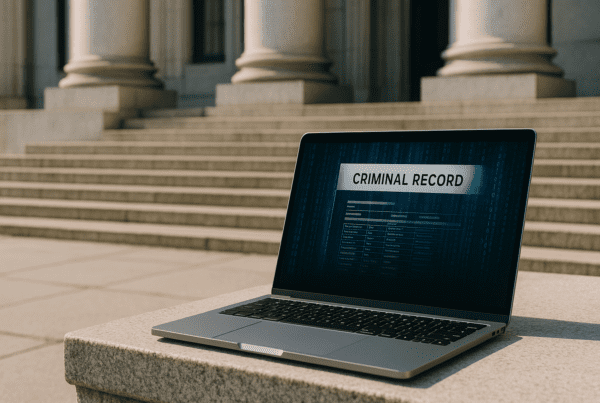
Online court databases offer access to civil and sometimes criminal case information, which helps in understanding a candidate’s legal history in relation to their professional life. Bankruptcy filings accessible through federal court records could also reveal financial stress factors that might affect job performance, particularly for positions involving fiduciary responsibility.
In some states, workers’ compensation records are public to an extent and can reveal injury claims tied to previous employment, offering insight into career interruptions that candidates might not highlight.
Observing patterns instead of isolated facts
When public records are pieced together thoughtfully, patterns across time become visible. For instance, repeated short tenures at multiple jobs might catch attention, but placing that against evidence of self-employment or side ventures found in business filings or tax records (where publicly available) provides a different lens. It might show entrepreneurial ambition or a period of career transition rather than instability.
Similarity, court records revealing repeated disputes of a certain kind may suggest areas worth deeper inquiry, but the absence of any legal issues does not guarantee reliability. Public records are part of a mosaic and should be integrated with references, interviews, and other verification tools to balance the overall view.
Challenges and responsible usage
One challenge with public records lies in their accessibility and consistency. Information varies widely in availability depending on jurisdiction, and some databases update at different speeds. This means relying on public records requires awareness of potential gaps or outdated data.
Privacy considerations are also paramount. Employers must navigate federal and state laws to avoid misusing public data, such as discrimination or unfair evaluation based on irrelevant personal history. The Fair Credit Reporting Act (FCRA) governs many aspects of background checks, and public records need to be used in compliance with these rules. Responsible employers focus on data relevant to job requirements and maintain transparency with candidates.
Seeing public records as part of a layered verification strategy
Public records do not replace direct employer verification calls or reference checks, but they add a layer of verification that can sometimes surface overlooked context. This is especially true for positions that require high trust or deal with sensitive information. Understanding the nuances within public data can highlight red flags or confirm a person’s professional narrative.
Long-term observers of hiring practices note that relying exclusively on one source-whether a resume, background check, or public record-can lead to incomplete or misleading impressions. Instead, public records, when integrated properly, contribute to a more comprehensive, fact-based understanding of a candidate’s history.
The interplay of different record types underscores how public data can act as a reality check against self-reported information, bridging gaps and sometimes challenging assumptions. It is this kind of thoughtful detective work that elevates employment verification from formality to a matter of prudent decision-making.
As data availability changes and privacy laws evolve, tracking how public records fit into the landscape of employment screening will remain important. For now, the records held in public domains offer a glimpse not only of what a person claims they have done but also the surrounding context, both public and sometimes unexpected, that shapes an honest overview.
For individuals and organizations engaged in background checks, understanding the origins and limitations of public records fosters better use-and a better sense of where these documents help clarify rather than complicate an employment story.
Sources and Helpful Links
- FTC on Employment Background Checks explains the Fair Credit Reporting Act regulations for employers using consumer reports including public records.
- OSHA Records and Reporting Requirements detail how workplace injury data might relate to employment verification where applicable.
- United States Courts provides access to federal court records that can impact background checks.
- California Secretary of State Business Search offers an example of a state business registry where ownership records can be confirmed.
- Nolo on Employment Verification offers a consumer-friendly discussion of verifying job histories and legal boundaries.